Castejón de Valdejasa

Castejón de Valdejasa
Pedagogy
SCHOOL MATERIALS TO WORK ON CULTURAL AND NATURAL HERITAGE
Castejón de Valdejasa Mudetrad
Mudetrad Project
A PROJECT THAT HIGHLIGHTS THE TRADITIONAL ARCHITECTURE OF CASTEJÓN DE VALDEJASA
La guía didáctica
Didactic Mudejar, the guide
PRODUCTION OF AN EDUCATIONAL MATERIAL FOR PRIMARY AND SECONDARY SCHOOL PUPILS TO HELP THEM INTERPRET THE MUDEJAR STYLE
Castejón de Valdejasa Circular
Circular from the rural school
COOPERATIVE PROJECT BETWEEN RURAL DEVELOPMENT GROUPS
Castejón de Valdejasa

Around a Roman Road

Castejón de Valdejasa is located in the region of Cinco Villas, 45 kilometres from Zaragoza. En origen, una calzada romana transcurría por este lugar, uniendo Caesaraugusta (Saragossa) y Pompaelo (Pamplona). This place was also a Celtiberian settlement, as attested by the archaeological remains of a settlement on one of its hills.

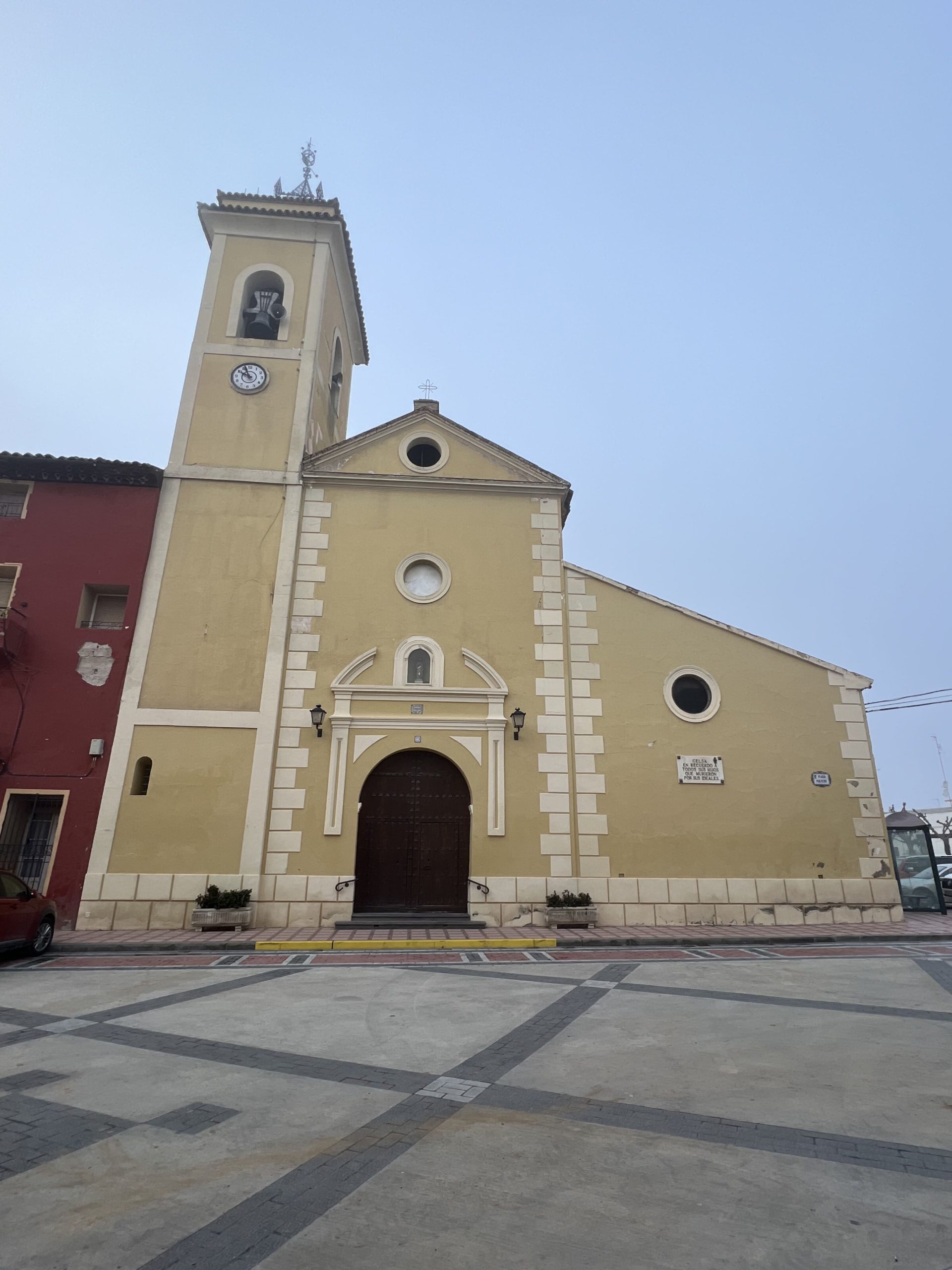
One of the first documentary references to the locality is in the Town Charter of Ejea at the beginning of the 12th century. It was precisely during this period that cultural coexistence between Christians, Muslims and Jews was experienced in the territory. One of the examples of the Mudejar past is the church of Santa María la Mayor, dating from the late 14th and early 15th centuries. Today the Mudejar work is masked by an intervention carried out in the 20th century.

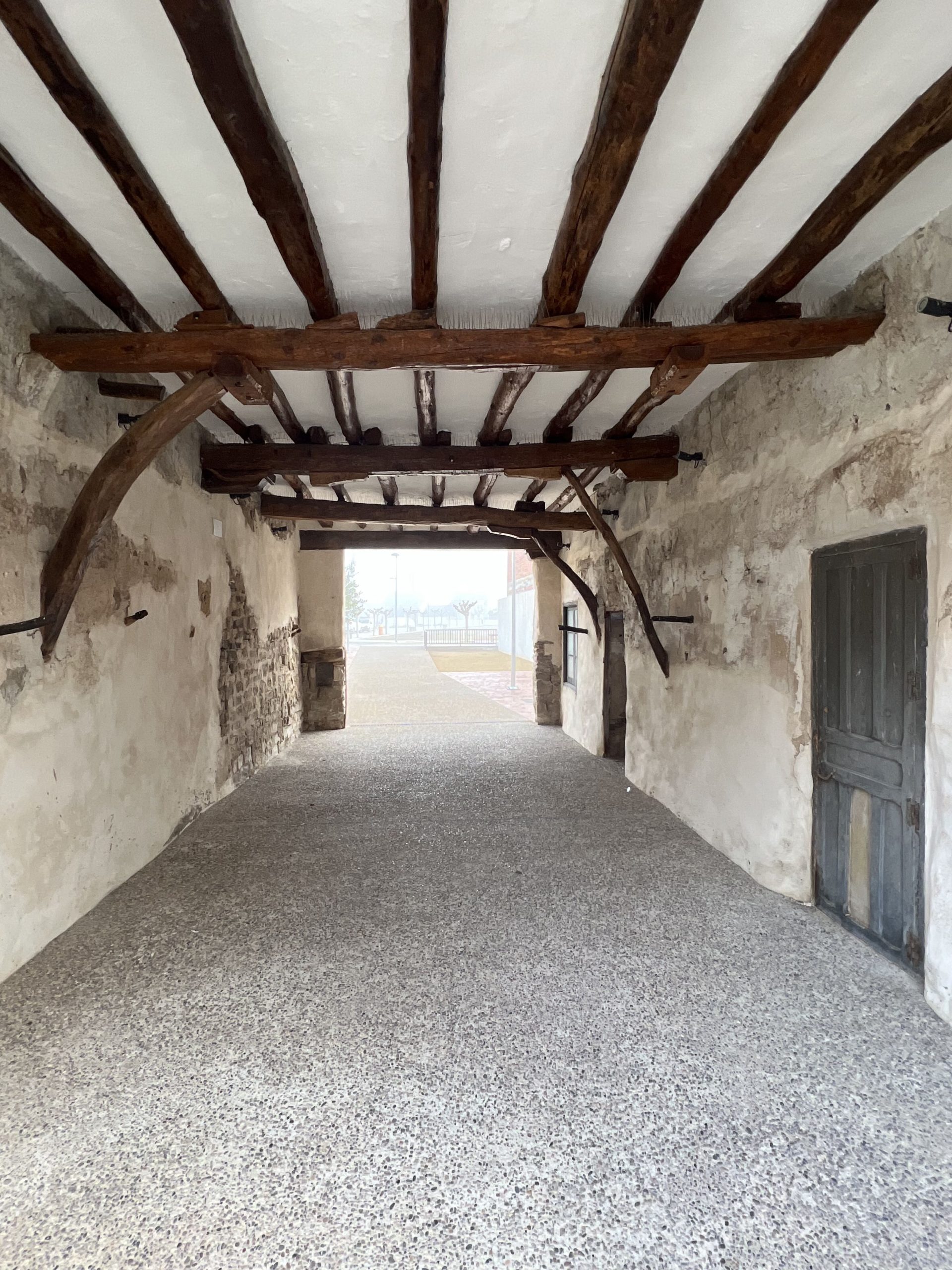
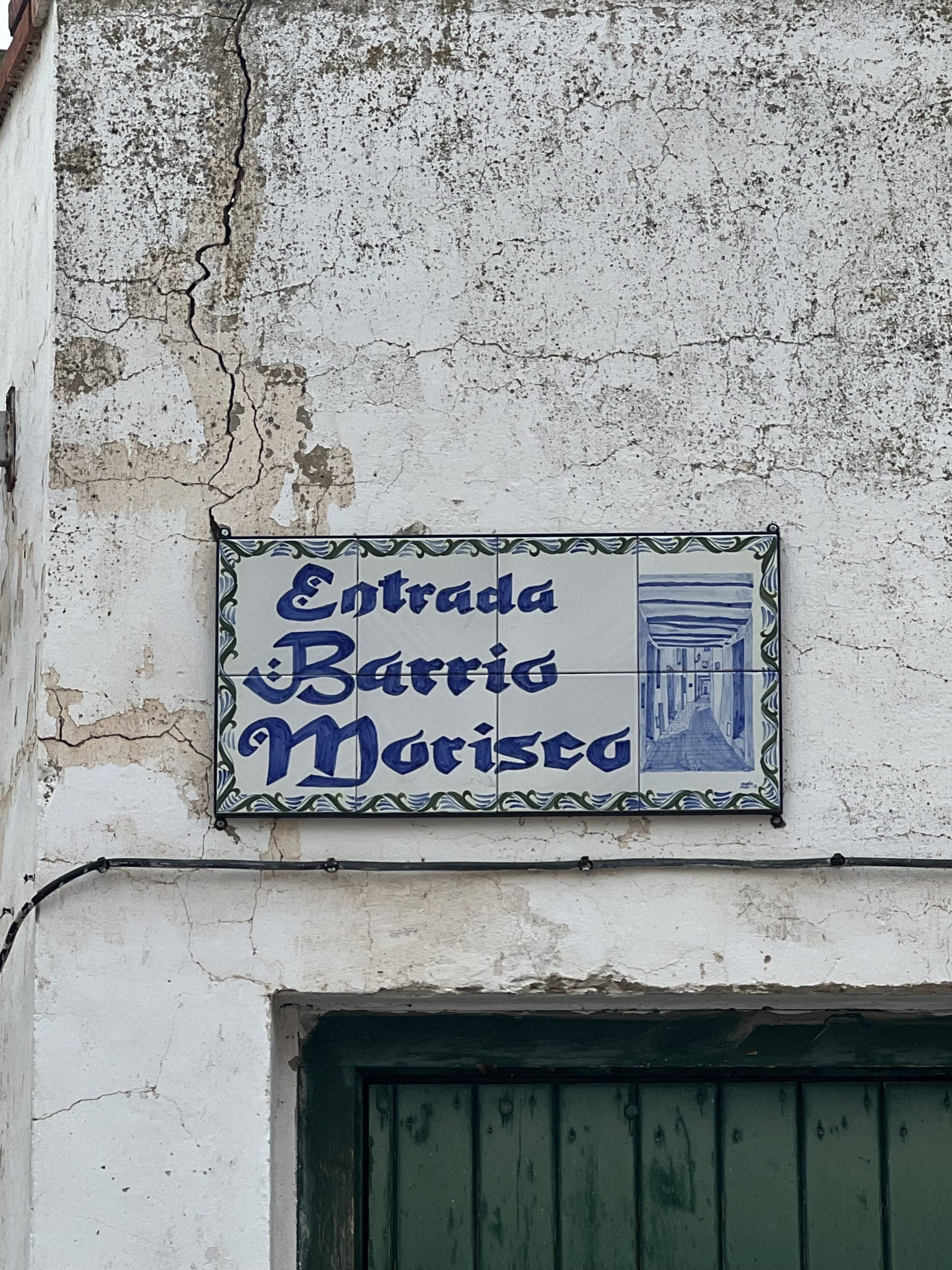
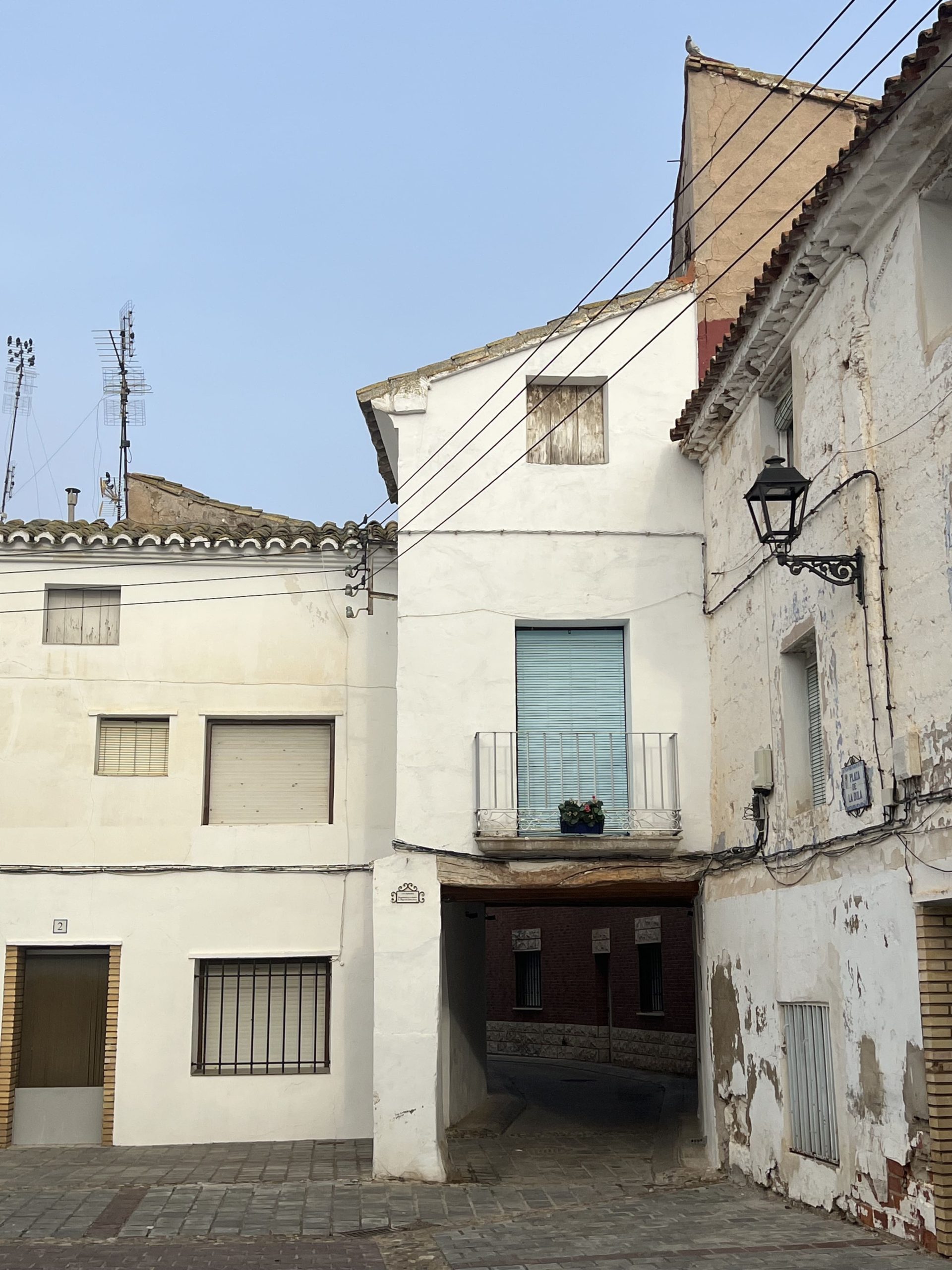
In Castejón de Valdejasa there are still some cellars that have been excavated taking advantage of the natural unevenness of the clayey terrain, with masonry fronts. Nowadays they have been adapted as meeting places, being a very picturesque place that you should not miss. There are also important examples of 16th and 17th century architecture such as the House of the Inquisition.

Castejón de Valdejasa is located in the region of Cinco Villas, 45 kilometres from Zaragoza. En origen, una calzada romana transcurría por este lugar, uniendo Caesaraugusta (Saragossa) y Pompaelo (Pamplona). This place was also a Celtiberian settlement, as attested by the archaeological remains of a settlement on one of its hills.

One of the first documentary references to the locality is in the Town Charter of Ejea at the beginning of the 12th century. It was precisely during this period that cultural coexistence between Christians, Muslims and Jews was experienced in the territory. One of the examples of the Mudejar past is the church of Santa María la Mayor, dating from the late 14th and early 15th centuries. Today the Mudejar work is masked by an intervention carried out in the 20th century.

In Castejón de Valdejasa there are still some cellars that have been excavated taking advantage of the natural unevenness of the clayey terrain, with masonry fronts. Nowadays they have been adapted as meeting places, being a very picturesque place that you should not miss. There are also important examples of 16th and 17th century architecture such as the House of the Inquisition.

Escabechado, a culinary delicacy

After visiting the main monuments mentioned above, ending with the incredible panoramic view of the town and the landscape from the Santa Ana hermitage, you can’t miss its star dish: escabechado (pickled fish).

Pickling is a traditional way of preserving food. The recipe goes back a long way and has been passed down from generation to generation, with each house having its own recipe. Castejón de Valdejasa has become famous thanks to the publicity provided by the town council, with activities such as the “Feria del Conejo Escabechado”, among others.

Castejón de Valdejasa also has many routes to do on foot or by bicycle along its extensive mountain, whose vegetation is mainly reforestation pine.

After visiting the main monuments mentioned above, and finishing with the incredible panoramic views of the city and the surrounding countryside from the hermitage of Santa Ana, don’t miss its star dish: escabechado (pickled fish).

Pickling is a traditional way of preserving food. The recipe goes back a long way and has been passed down from generation to generation, with each house having its own recipe. Castejón de Valdejasa has become famous thanks to the publicity provided by the town council, with activities such as the “Feria del Conejo Escabechado”, among others.

Castejón de Valdejasa also has many routes to do on foot or by bicycle along its extensive mountain, whose vegetation is mainly reforestation pine.

Information

City Council: 976 68 60 57

Association for the Development and Promotion of Cinco Villas
adefo.com

VISIT TO CASTEJÓN DE VALDEJASA
976 633 296

DO YOU WANT TO KNOW MORE?
Region of Cinco Villas
https://www.comarcacincovillas.es/
Tourism Castejón de Valdejasa
https://castejonvaldejasaturismo.es/

Territorio Mudéjar Network

The city council has been a full member of Territorio Mudéjar since April 2021.

Projects Territorio Mudéjar in Castejón de Valdejasa

Pedagogy| View the project
Mudetrad Project | View the project
Didactic Mudejar, the guide | View the project
“Circular” Family Outings | View the project

Velilla de Ebro

Velilla de Ebro
Velilla de Ebro
Pedagogy
SCHOOL MATERIALS TO WORK ON CULTURAL AND NATURAL HERITAGE
Velilla-de-Ebro-Mudetrad
Mudetrad Project
A PROJECT THAT HIGHLIGHTS THE TRADITIONAL ARCHITECTURE OF VELILLA DE EBRO
Velilla de Ebro
Podcast
A PODCAST THAT ENHANCES THE IMPORTANCE OF MUDEJAR ART
La guía didáctica
Didactic Mudejar, the guide
PRODUCTION OF AN EDUCATIONAL MATERIAL FOR PRIMARY AND SECONDARY SCHOOL PUPILS TO HELP THEM INTERPRET THE MUDEJAR STYLE
Velilla de Ebro circular
Circular from the rural school
Family Outings
COOPERATIVE PROJECT BETWEEN RURAL DEVELOPMENT GROUPS
Velilla de Ebro

Lepida Celsa

The origins of Velilla de Ebro date back to 44 B.C.: it was in that year that Marcus Emilius Lepidus founded the colony known as “Victiux Iulia Lepida”, thus consolidating control of the Ebro and its passage along the Via Augusta. The colony of Celsa was recognised as one of the most important in the Ebro valley, even minting its own coinage. Around the same time, other colonies of particular importance arose, such as Caesaraugusta, now known as Saragossa. The splendour of Lepida Celsa lasted until the time of Nero.

In the town centre we find a beautiful church from the 16th-17th centuries, of very harmonious proportions, with a single nave with side chapels between the buttresses – in a reform of the 18th century the buttresses were perforated, giving the impression of three naves. The church has a Mudejar typology in terms of its ground plan and the layout of its elements, although it is resolved with Renaissance formal solutions.

The slender Mudejar tower, built in brick and with three sections, stands out. The upper part of the lower body is decorated with bands of staggered or saw-toothed angled bands.

The origins of Velilla de Ebro date back to 44 B.C.: it was in that year that Marcus Emilius Lepidus founded the colony known as “Victiux Iulia Lepida”, thus consolidating control of the Ebro and its passage along the Via Augusta. The colony of Celsa was recognised as one of the most important in the Ebro valley, even minting its own coinage. Around the same time, other colonies of particular importance arose, such as Caesaraugusta, now known as Saragossa. The splendour of Lepida Celsa lasted until the time of Nero.

In the town centre we find a beautiful church from the 16th-17th centuries, of very harmonious proportions, with a single nave with side chapels between the buttresses – in a reform of the 18th century the buttresses were perforated, giving the impression of three naves. The church has a Mudejar typology in terms of its ground plan and the layout of its elements, although it is resolved with Renaissance formal solutions.

The slender Mudejar tower, built in brick and with three sections, stands out. The upper part of the lower body is decorated with bands of staggered or saw-toothed angled bands.

Vega of the river Ebro

Velilla conserves an interesting hydraulic complex comprising a wash house, a flour mill and a double-wheeled waterwheel, possibly of Arab origin. These purely utilitarian architectures speak to us of the ancient relationship of its inhabitants with the river, the raison d’être of this territory. They are characterised by their location and construction in a natural area in front of the town centre, on a branch of the river that surrounds a fertile meadow.

The subsoil hides another of the town’s riches: alabaster, an ornamental stone that has been appreciated since ancient times. From the Velilla quarries was extracted, for example, the alabaster of the main altarpiece of the Pilar de Zaragoza, the work of the sculptor Damián Forment, a material used to carve the missing altarpiece of the chapel of San Nicolás de Velilla de Ebro, which was the work of the same sculptor.

It is well worth climbing up to this hermitage of San Nicolás, of Romanesque origin, although it was extensively renovated in the 17th and 18th centuries. The façade is crowned by a belfry with three openings in which the Miracle Bell was located, a legend that begins in the year 418 and is probably related to the Christianisation of the place. In the side chapels inside the chapel, remains of Baroque paintings have been preserved.

Velilla conserves an interesting hydraulic complex comprising a wash house, a flour mill and a double-wheeled waterwheel, possibly of Arab origin. These purely utilitarian architectures speak to us of the ancient relationship of its inhabitants with the river, the raison d’être of this territory. They are characterised by their location and construction in a natural area in front of the town centre, on a branch of the river that surrounds a fertile meadow.

The subsoil hides another of the town’s riches: alabaster, an ornamental stone that has been appreciated since ancient times. From the Velilla quarries was extracted, for example, the alabaster of the main altarpiece of the Pilar de Zaragoza, the work of the sculptor Damián Forment, a material used to carve the missing altarpiece of the chapel of San Nicolás de Velilla de Ebro, which was the work of the same sculptor.

It is well worth climbing up to this hermitage of San Nicolás, of Romanesque origin, although it was extensively renovated in the 17th and 18th centuries. The façade is crowned by a belfry with three openings in which the Miracle Bell was located, a legend that begins in the year 418 and is probably related to the Christianisation of the place. In the side chapels inside the chapel, remains of Baroque paintings have been preserved.

Territorio Mudéjar Network

The city council has been a full member of Territorio Mudéjar since April 2021.

More information

Town Hall: 976 176 350
https://www.velilladeebro.es

Centre for the Development of the Sea Regions of Aragon
cedemar.es

VISIT VELILLA DE EBRO
976 633 296

DO YOU WANT TO KNOW MORE?
Turismo de Aragón
turismodearagon.com
Comarca Ribera Baja del Ebro
https://riberabaja.es/

Projects Territorio Mudéjar in Velilla de Ebro

Pedagogy | See project
Mudetrad project | See project
Podcast | See project
Mudéjar didactic, the guide | See project
“Circular” Family walks | See project

Gelsa

La guía didáctica
Didactic Mudejar, the guide
OUR GUIDE ILLUSTRATED BY DAVID GUIRAO CAN ACCOMPANY YOU ON YOUR JOURNEY
La guía didáctica
Projects
IN TERRITORIO MUDEJAR WE ARE WORKING ON NEW PROJECTS
GELSA CARRUSEL 2

Sheltered by the river Ebro

The town of Gelsa is located in the shelter of the river Ebro, taking advantage of the fertile lands that bathe it.

Regarding the origins of the locality, researchers suggest that it is a Roman foundation that was part of an extension of the colony of Lépida Celsa, located in nearby Velilla de Ebro. Proof of this are the remains found in excavations, such as the remains of burial sites and tombstones.

The Arab settlement around the 8th century marks the evolution of Gelsa. The Muslims knew how to make the best use of the course of the river Ebro as it passed through the town and created a complex network of hydraulic works whose purpose was agricultural exploitation. The hydraulic complex comprising the weir, the box of three waterwheels, the irrigation channel nozzle and the flour factory can still be seen today. However, some of the buildings date back to Roman times and underwent transformations in later periods as a result of their continued use.

An interesting urban fabric

The passage of different settlers is reflected in the urban fabric of the town, which has managed to combine past and present in harmony.

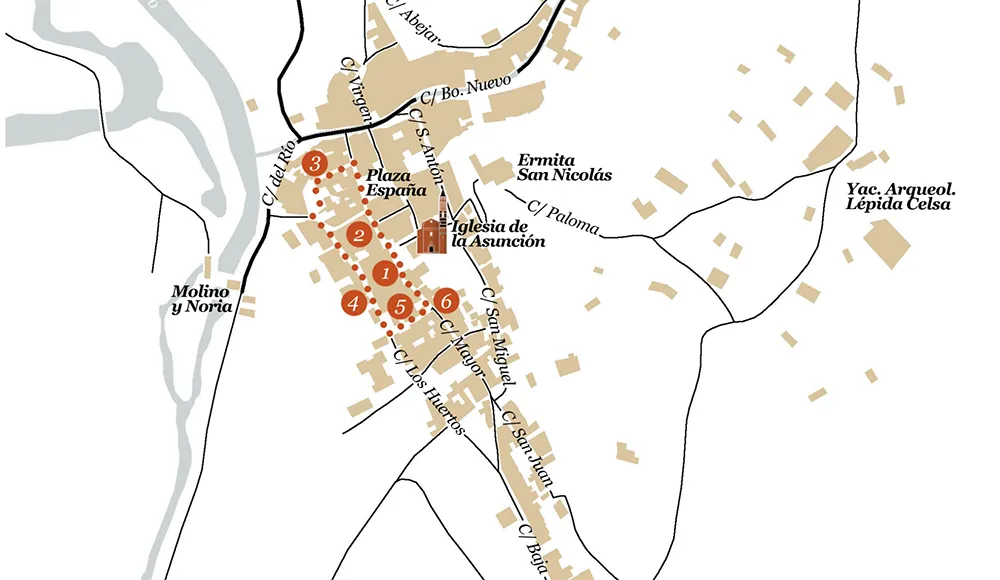
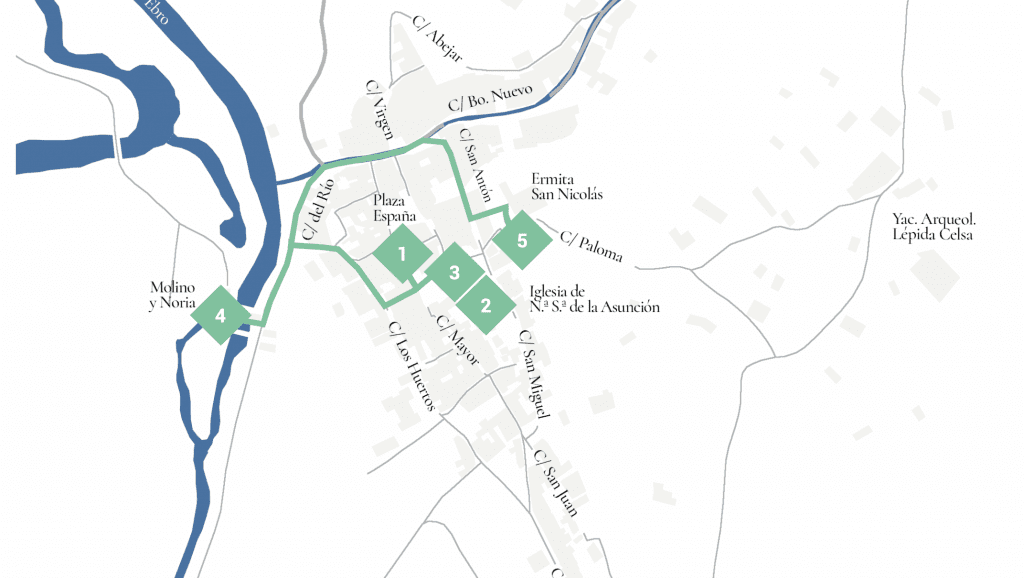
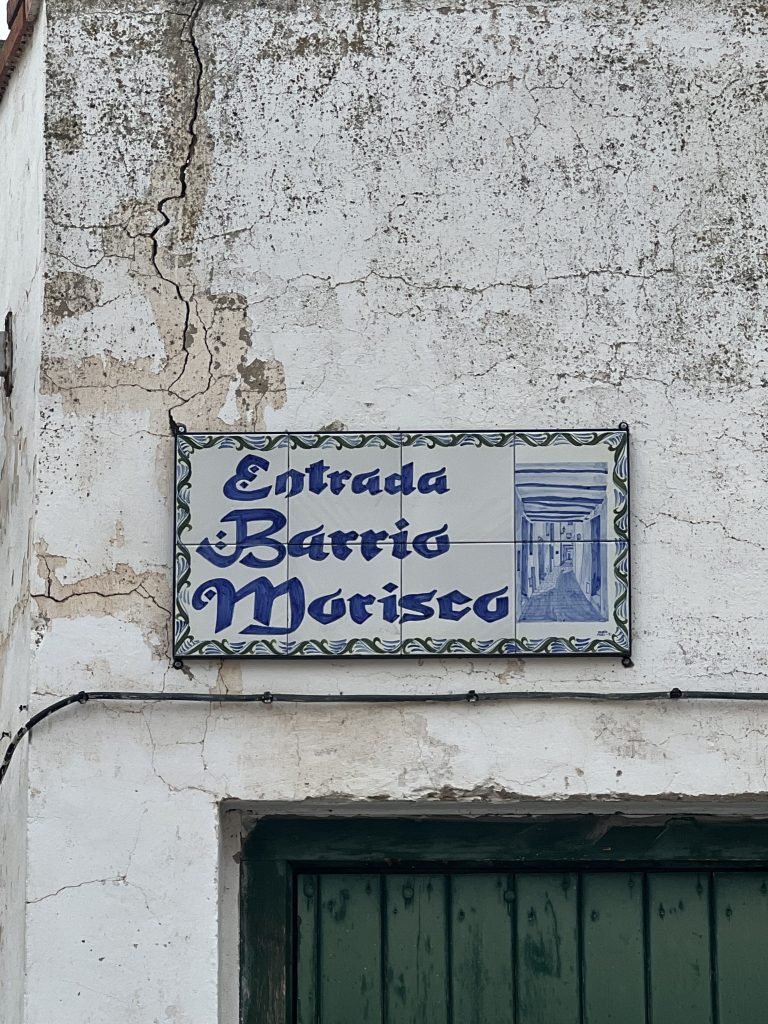
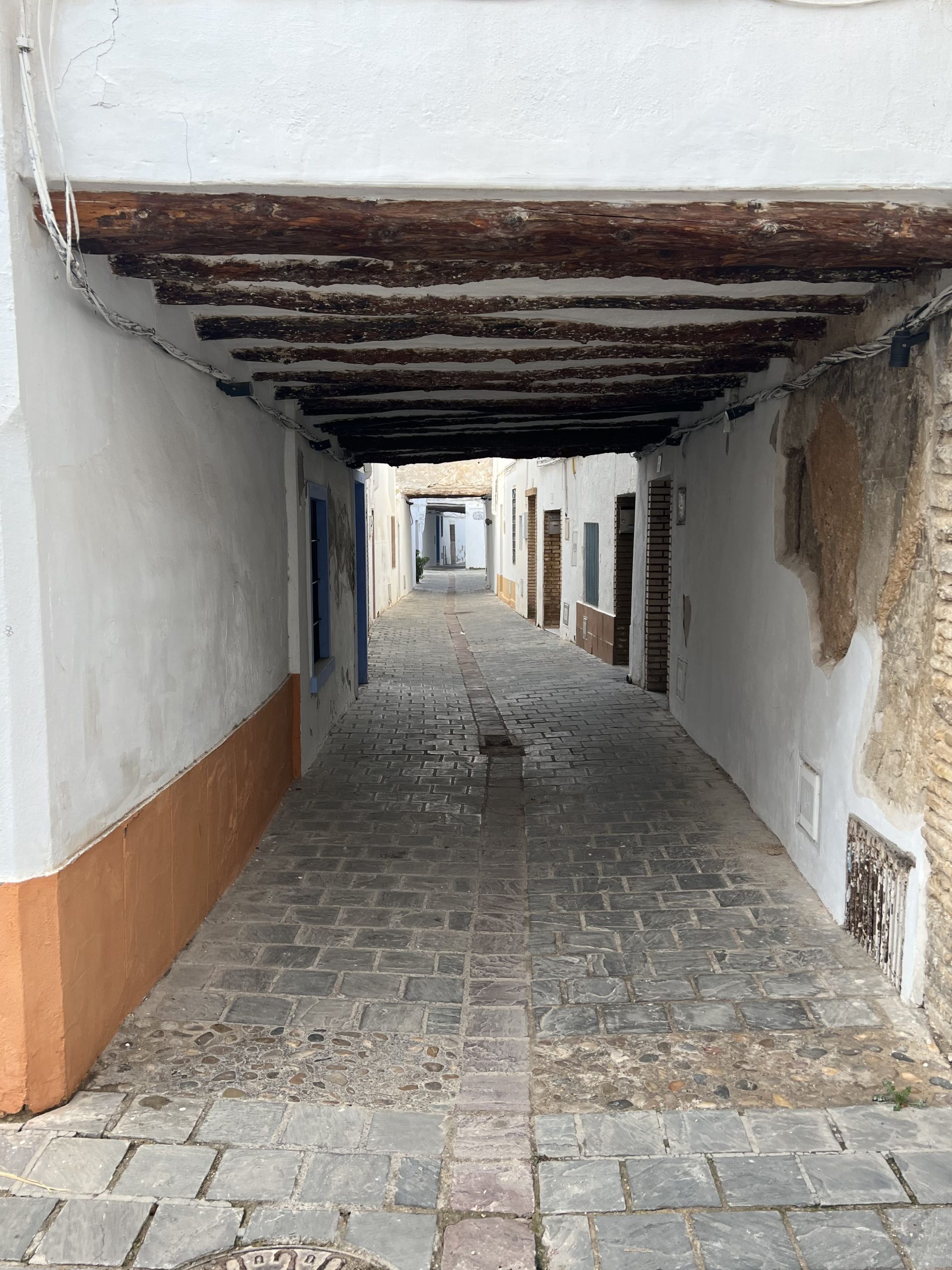
Of special interest is the urban complex currently known as the “Barrio Morisco”, located in the heart of Gelsa. It is a complex of a considerable extension of streets, alleys, alleys with houses of traditional Aragonese architecture and other elements of interest that take us back to the architecture of the medieval period.

Its parish church, dedicated to San Pedro Apóstol, is a 17th century construction in brick, adobe and ashlar stone plinth. It was profoundly transformed in the 19th century, giving it the appearance we see today. Inside the church is the relic of the Holy Thorn, highly venerated among the Gelsans, since, according to tradition, it comes from the crown of thorns of Jesus of Nazareth.

Other religious buildings include the Ermita del Buen Suceso (Chapel of the Good Succession), also located in the town. It is an 18th century building.

Territorio Mudéjar Network

The city council has been a founding partner of Territorio Mudéjar since 2023.

More information

Town Hall: 976 176 403

DO YOU WANT TO KNOW MORE?
Turismo de Aragón
turismodearagon.com
Comarca Ribera Baja del Ebro
riberabaja.es

Projects Territorio Mudéjar in Calatorao

Monuments | See the project
Pedagogy | See the project
Mudetrad project | See the project
Mudéjar didactic, the guide | See the project
“Circular” Walks with the family | See the project

Villarroya de la Sierra

Villarroya de la Sierra Circular
Circular from the rural school
Family Outings
COOPERATIVE PROJECT BETWEEN RURAL DEVELOPMENT GROUPS
Villaroya de la Sierra Mudetrad
Mudetrad
A PROJECT THAT HIGHLIGHTS THE TRADITIONAL ARCHITECTURE OF VILLARROYA DE LA SIERRA
La guía didáctica
Didactic Mudejar, the guide
THE GUIDE ILLUSTRATED BY DAVID GUIRAO TO HELP YOU UNDERSTAND THE MUDEJAR STYLE

The "villa roya"

Villarroya de la Sierra, the “reddish village” due to the dominant colour of its surroundings, is located at the foot of the Sierra de la Virgen, with all its hamlets on a slight slope towards the river Ribota. There is evidence of settlements from ancient times.

During the Islamic period, the use and cultivation of the territory became evident with the development and improvement of hydraulic engineering systems, construction systems and urban planning.

The town played a fundamental role during the border wars against Castile, as it had an important fortified enclosure of which we still have evidence today: the two defensive towers known as the Castillo de la Reina and Castillo del Rey (Queen’s and King’s Castle) guarded a walled enclosure of which the Low Gate and the Old Gate, of Mudejar appearance, are preserved, as well as a large stretch of wall made of rammed earth.

The castle of the Queen, probably of Muslim origin, dates from the 10th and 11th centuries; and the King’s castle was built with the growth of the city during the Aragonese rule at the end of the 13th century.

Villarroya de la Sierra, the “reddish village” due to the dominant colour of its surroundings, is located at the foot of the Sierra de la Virgen, with all its hamlets on a slight slope towards the river Ribota. There is evidence of settlements from ancient times.

During the Islamic period, the use and cultivation of the territory became evident with the development and improvement of hydraulic engineering systems, construction systems and urban planning.

The town played a fundamental role during the border wars against Castile, as it had an important fortified enclosure of which we still have evidence today: the two defensive towers known as the Castillo de la Reina and Castillo del Rey (Queen’s and King’s Castle) guarded a walled enclosure of which the Low Gate and the Old Gate, of Mudejar appearance, are preserved, as well as a large stretch of wall made of rammed earth.

The castle of the Queen, probably of Muslim origin, dates from the 10th and 11th centuries; and the King’s castle was built with the growth of the city during the Aragonese rule at the end of the 13th century.

A historic urban fabric

The town grew in population and a new neighbourhood was formed to the east, today Virgen de la Sierra street. It also had a new church as a place of worship, which would be located on the site of the current parish church, but of smaller dimensions. The houses of the local bourgeoisie and nobility were transformed to adapt them to the tastes of the time, giving them more space along Calle Real.

The church of San Pedro Apóstol, declared an Asset of Cultural Interest, was built at the end of the 15th century, although its current appearance is the result of a thorough renovation in the 17th century.

Particularly striking is the fusion of building styles, combining the brickwork of the Islamic tradition maintained in the Christian period through the Mudéjar style and the Western European styles present in the Gothic style doorway, belonging to the original building from the beginning of the 15th century.

Another significant area for the locality is the old dula. A dula is the name, of Arabic origin, given to the communal grazing land for the flocks or herds of the neighbours. From this meaning it would make sense to use it as a bullring in the case of Villarroya de la Sierra.

The town grew in population and a new neighbourhood was formed to the east, today Virgen de la Sierra street. It also had a new church as a place of worship, which would be located on the site of the current parish church, but of smaller dimensions. The houses of the local bourgeoisie and nobility were transformed to adapt them to the tastes of the time, giving them more space along Calle Real.

The church of San Pedro Apóstol, declared an Asset of Cultural Interest, was built at the end of the 15th century, although its current appearance is the result of a thorough renovation in the 17th century.

Particularly striking is the fusion of building styles, combining the brickwork of the Islamic tradition maintained in the Christian period through the Mudéjar style and the Western European styles present in the Gothic style doorway, belonging to the original building from the beginning of the 15th century.

Another significant area for the locality is the old dula. A dula is the name, of Arabic origin, given to the communal grazing land for the flocks or herds of the neighbours. From this meaning it would make sense to use it as a bullring in the case of Villarroya de la Sierra.

Territorio Mudéjar Network

The city council has been a full member of Territ estate Territ percibible since April 2022.

More information

Town Hall: 976 899 001
villarroyadelasierra.es

Association for the Integral Development of the Calatayud and Aranda Regions.
galcar.es

VISIT VILLARROYA DE LA SIERRA
976 633 296

WANT TO KNOW MORE?
Turismo Comarca Comunidad de Calatayud
comunidadcalatayud.com
Centro de Estudios Bilbilitanos
cebilbilitanos.com

Projects Territorio Mudéjar in Villaroya de la Sierra

“Circular” Family Walks | See project
Mudetrad project | See project
Mudéjar didactic, the guide | See project

Tarazona

Vista exterior de la catedral de Tarazona, con su cimborrio mudéjar y estructuras góticas y renacentistas.
portada guia didactica
Didactic Mudejar, the guide
THE GUIDE ILLUSTRATED BY DAVID GUIRAO TO HELP YOU UNDERSTAND THE MUDEJAR STYLE
Tarazona circular
Circular from the rural school
Family Outings
COOPERATIVE PROJECT BETWEEN RURAL DEVELOPMENT GROUPS
Vista exterior de la catedral de Tarazona, con su cimborrio mudéjar y estructuras góticas y renacentistas.

Turiaso

Tarazona was founded under the name of Turiaso, according to local legend, it was built by Tubalcaín and rebuilt by Hercules. In the 1st century BC. the city probably already extended to both banks of the river Queiles.

From the 3rd century onwards, the city was gradually abandoned due to the political instability of the Roman Empire. At the beginning of the 8th century, Tarazona was under Islamic rule until 1119, the year of the Christian conquest by Alfonso I the Battler.

Tarazona was a place of coexistence of cultures in medieval times. Almost the entire urban layout survives from this period, which we can understand by walking through its Moorish and Jewish quarter, as well as a large number of architectural features related to the period.

Tarazona was founded under the name of Turiaso, according to local legend, it was built by Tubalcaín and rebuilt by Hercules. In the 1st century BC. the city probably already extended to both banks of the river Queiles.

From the 3rd century onwards, the city was gradually abandoned due to the political instability of the Roman Empire. At the beginning of the 8th century, Tarazona was under Islamic rule until 1119, the year of the Christian conquest by Alfonso I the Battler.

Tarazona was a place of coexistence of cultures in medieval times. Almost the entire urban layout survives from this period, which we can understand by walking through its Moorish and Jewish quarter, as well as a large number of architectural features related to the period.

Singular monuments

The Mudejar style in Tarazona has its own personality. An example of this singularity is the cathedral of Santa María de la Huerta. The beginnings of the Mudejar works in Tarazona Cathedral start with the need to rebuild it due to the War of the Two Peters. We find important Mudejar interventions such as the tower, the dome and the cloister. The cloister is unique due to the fact that it is completely enclosed with latticework, mostly with motifs from the Christian tradition, but its aesthetic sense is from the Islamic tradition.

There are other monuments of special importance: the church of La Magdalena has preserved the Mudejar wooden roof system in one of the side naves and a piece of liturgical furniture from a Moorish workshop in the nearby town of Torrellas dating from the 16th century.

Other outstanding buildings in the town centre include the Episcopal Palace, the church of San Miguel Arcángel, the Palace of Eguarás, the Town Hall, etc.

The Mudejar style in Tarazona has its own personality. An example of this singularity is the cathedral of Santa María de la Huerta. The beginnings of the Mudejar works in Tarazona Cathedral start with the need to rebuild it due to the War of the Two Peters. We find important Mudejar interventions such as the tower, the dome and the cloister. The cloister is unique due to the fact that it is completely enclosed with latticework, mostly with motifs from the Christian tradition, but its aesthetic sense is from the Islamic tradition.

There are other monuments of special importance: the church of La Magdalena has preserved the Mudejar wooden roof system in one of the side naves and a piece of liturgical furniture from a Moorish workshop in the nearby town of Torrellas dating from the 16th century.

Other outstanding buildings in the town centre include the Episcopal Palace, the church of San Miguel Arcángel, the Palace of Eguarás, the Town Hall, etc.

Territorio Mudéjar Network

The city council has been a full member of Territorio Mudéjar since April 2023.

More information

Town Hall: 976 199 110
tarazona.es

Association for the Development of the Lands of Moncayo
asomo.com

VISIT TARAZONA
976 633 296

DO YOU WANT TO KNOW MORE?
Turismo de Aragón
turismodearagon.com
Turismo Comarca de Tarazona y el Moncayo
tarazonayelmoncayo.es
Centro de Turiasoneses
ceturiasonenses.org
Fundación Tarazona Monumental
tarazonamonumental.es

Projects Territorio Mudéjar in Tarazona

Mudéjar didactic, the guide | See the project
“Circular” Family walks | See the project
Mudetrad project | See the project

Acered

Acered
Pedagogy
SCHOOL MATERIALS TO WORK ON CULTURAL AND NATURAL HERITAGE
Mudetrad Acered
Mudetrad Project
A PROJECT THAT HIGHLIGHTS THE VALUE OF ACERED'S TRADITIONAL ARCHITECTURE
La guía didáctica
Didactic Mudejar, the guide
THE GUIDE ILLUSTRATED BY DAVID GUIRAO TO HELP YOU UNDERSTAND THE MUDEJAR STYLE
Circular Acered
Circular from the rural school
COOPERATIVE PROJECT BETWEEN RURAL DEVELOPMENT GROUPS

A place of communication

The name ‘Acered’, according to some research, comes from the Arabic al-sirat (the road). Located in the Sierra de Santa Cruz, it must have been an important means of communication between the great Arab medinas of Daruqa (Daroca) and Qalat Ayyub (Calatayud), via a shortcut through the mountains.

This characteristic led to the settlement of several cultures throughout history. Before the Islamic domination, some archaeological remains from the Iron Age have been found, such as certain tools made of flint. In addition, the remains of a possible Iberian wall located in the vicinity of the Peirón de los Desamparados have also been discovered. The existence of this pre-Islamic settlement would not be surprising, as there are several examples of Prehistoric and Iberian settlements such as Castellar de Berrueco in the surrounding area of the Comarca de Daroca.

The original nucleus of the town is located in a small walled enclosure that is still preserved on a nearby hill, where the hermitage of the Virgin of Semón stands today, a 16th and 18th century building. This enclosure may have been a strategic defensive point in the sierra.

The name ‘Acered’, according to some research, comes from the Arabic al-sirat (the road). Located in the Sierra de Santa Cruz, it must have been an important means of communication between the great Arab medinas of Daruqa (Daroca) and Qalat Ayyub (Calatayud), via a shortcut through the mountains.

This characteristic led to the settlement of several cultures throughout history. Before the Islamic domination, some archaeological remains from the Iron Age have been found, such as certain tools made of flint. In addition, the remains of a possible Iberian wall located in the vicinity of the Peirón de los Desamparados have also been discovered. The existence of this pre-Islamic settlement would not be surprising, as there are several examples of Prehistoric and Iberian settlements such as Castellar de Berrueco in the surrounding area of the Comarca de Daroca.

The original nucleus of the town is located in a small walled enclosure that is still preserved on a nearby hill, where the hermitage of the Virgin of Semón stands today, a 16th and 18th century building. This enclosure may have been a strategic defensive point in the sierra.

The Mudejar building tradition

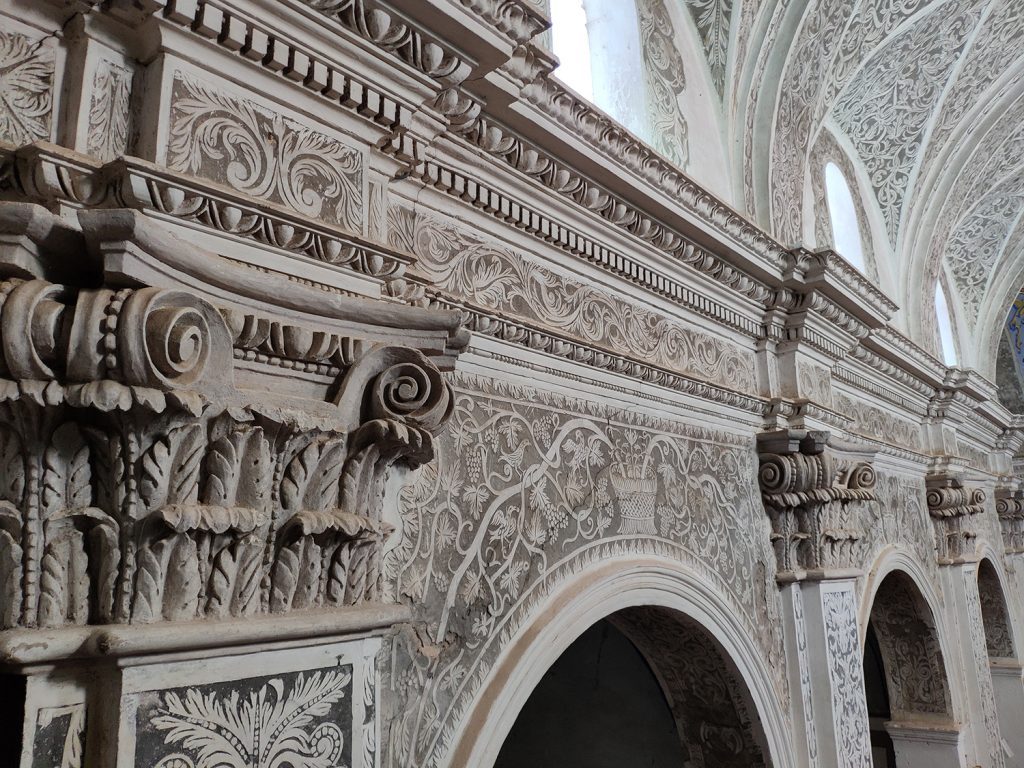
The current church of Nuestra Señora de la Asunción was built in 1674 by the architect Juan de la Marca. It is a Baroque church from the last third of the 17th century. Even so, the architect used materials and techniques reminiscent of the Islamic period. An example of this is the plasterwork inside the church in the Mudejar tradition.

The constructive evolution of the building is documented and it highlights the reuse of the previous temple, probably in the Mudejar style. The tower we see today is the result of a work carried out after 1971, as the old tower collapsed in that year, causing damage to the presbytery and transept of the current church. It was made of masonry and reinforced with ashlar stone at the corners.

In Acered we also find other important urban spaces and elements for the town that you can visit, such as the washing place or the Cruz de los Apóstoles (Apostles’ Cross).

The current church of Nuestra Señora de la Asunción was built in 1674 by the architect Juan de la Marca. It is a Baroque church from the last third of the 17th century. Even so, the architect used materials and techniques reminiscent of the Islamic period. An example of this is the plasterwork inside the church in the Mudejar tradition.

The constructive evolution of the building is documented and it highlights the reuse of the previous temple, probably in the Mudejar style. The tower we see today is the result of a work carried out after 1971, as the old tower collapsed in that year, causing damage to the presbytery and transept of the current church. It was made of masonry and reinforced with ashlar stone at the corners.

In Acered we also find other important urban spaces and elements for the town that you can visit, such as the washing place or the Cruz de los Apóstoles (Apostles’ Cross).

Territorio Mudéjar Network

The city council has been a full member of Territ estate Territ percibible since April 2022.

More information

Town Hall: 976 896 663

Association for the Integral Rural Development of the lands of Jiloca and Gallocanta adri.es

VISIT ACERED
976 633 296

DO YOU WANT TO KNOW MORE?
Aragon Tourism
turismodearagon.com
Comarca de Daroca Tourism
turismo.comarcadedaroca.com
Centro de Estudios darocenses
ifc.dpz.es
Centro de Estudios del Jiloca
www.xiloca.org

Projects Mudejar Territory in Acered

Pedagogy | See project
Mudetrad project | See project
Mudéjar didactic, the guide | See project
“Circular” Family walks | See project

Fréscano

FRÉSCANO
FRÉSCANO
Pedagogy
SCHOOL MATERIALS TO WORK ON CULTURAL AND NATURAL HERITAGE
Fréscano Mudetrad
Mudetrad Project
A PROJECT THAT ENHANCES THE TRADITIONAL ARCHITECTURE OF FRÉSCANO
FRÉSCANO
Podcast
A PODCAST THAT ENHANCES THE IMPORTANCE OF MUDEJAR ART
La guía didáctica
Didactic Mudejar, the guide
PRODUCTION OF AN EDUCATIONAL MATERIAL FOR PRIMARY AND SECONDARY SCHOOL PUPILS TO HELP THEM INTERPRET THE MUDEJAR STYLE
Fréscano Circular
Circular from the rural school
Family Outings
COOPERATIVE PROJECT BETWEEN RURAL DEVELOPMENT GROUPS
FRÉSCANO

Old population centre

The area around the town of Fréscano preserves archaeological remains of very ancient settlements. Specifically, they are located on the hills of Burrén, Burrena, La Cruz, El Solado and El Morredón. They correspond to the Late Bronze Age and Early Iron Age and are the foundations for the development of the “Burrén Iron Age I Archaeological Park” project.

However, the first documentary mention of the locality of Fréscano appears in 1134 as a place of lordship. The existence of a medieval population is also attested by the preservation of buildings such as the hermitage of Santa María de Huerta, which, according to various studies, dates from between the 13th and 14th centuries. Inside we can find an exceptional collection of mural paintings that correspond to the linear Gothic style, dating from the first half of the 14th century. They are one of the few examples to be found south of the Ebro.

The area around the town of Fréscano preserves archaeological remains of very ancient settlements. Specifically, they are located on the hills of Burrén, Burrena, La Cruz, El Solado and El Morredón. They correspond to the Late Bronze Age and Early Iron Age and are the foundations for the development of the “Burrén Iron Age I Archaeological Park” project.

However, the first documentary mention of the locality of Fréscano appears in 1134 as a place of lordship. The existence of a medieval population is also attested by the preservation of buildings such as the hermitage of Santa María de Huerta, which, according to various studies, dates from between the 13th and 14th centuries. Inside we can find an exceptional collection of mural paintings that correspond to the linear Gothic style, dating from the first half of the 14th century. They are one of the few examples to be found south of the Ebro.

Agricultural use

Although it is true that we have not preserved a moment in the locality, we can affirm that Fréscano is closely linked to Mudejar culture. This is due to the existence of a Muslim population residing in the locality. We know that 450 people left Fréscano during the expulsion of the Moors.

In addition, we can still see part of the urban layout inherited from the Moorish period, which we can see through narrow streets, alleys and bends. However, the most notable survival can be found in the use of water resources in the form of extensive irrigation networks, the most outstanding example of which are the irrigation ditches. We also have an example of 20th century hydraulic engineering, the Casa de Elevación de Aguas, which today houses a museum.

A visit to its Baroque parish church dedicated to the Virgen del Pilar and the Palace of the Dukes of Villahermosa, a fine example of 16th century Aragonese Renaissance architecture, are not to be missed.

In addition, we can still see part of the urban layout inherited from the Moorish period, which we can see through narrow streets, alleys and bends. However, the most notable survival can be found in the use of water resources in the form of extensive irrigation networks, the most outstanding example of which are the irrigation ditches. We also have an example of 20th century hydraulic engineering, the Casa de Elevación de Aguas, which today houses a museum.

A visit to its Baroque parish church dedicated to the Virgen del Pilar and the Palace of the Dukes of Villahermosa, a fine example of 16th century Aragonese Renaissance architecture, are not to be missed.

Territorio Mudéjar Network

The city council has been a full member of Territorio Mudéjar since April 2021.

More information

Town Hall:  976 850 460
https://frescano.es

DO YOU WANT TO KNOW MORE?
Provincial Tourism of Zaragoza
www.turismodezaragoza.es
Comarca Campo de Borja
https://campodeborja.es
Centro de Estudios Borjanos
cesbor.blogspot.com

Projects Mudejar Territory in Fréscano

Pedagogy | See project
Mudetrad | See project
Podcast | See project
Mudéjar didactic, the guide | See project
“Circular” from the rural school | See project

Villarreal de Huerva

villarreal-5
Monuments
THIS PROJECT PROVIDES AN UPDATED VISION OF THE MUDEJAR MONUMENTAL HERITAGE
villarreal-4
Pedagogy
SCHOOL MATERIALS TO WORK ON CULTURAL AND NATURAL HERITAGE
mudetrad-villarreal
Mudetrad Project
A PROJECT THAT VALUES THE TRADITIONAL ARCHITECTURE OF VILLARREAL DE HUERVA
Imagen decorativa para Slider
Circular from the rural school
Family walks
COOPERATIVE PROJECT BETWEEN RURAL DEVELOPMENT GROUPS

Cultural wealth

With a past marked by the passage of Celtiberian, Roman and Mozarabic peoples, among others, Villarreal de Huerva preserves a latent historical and artistic pulse represented by the remains of its castle and church.

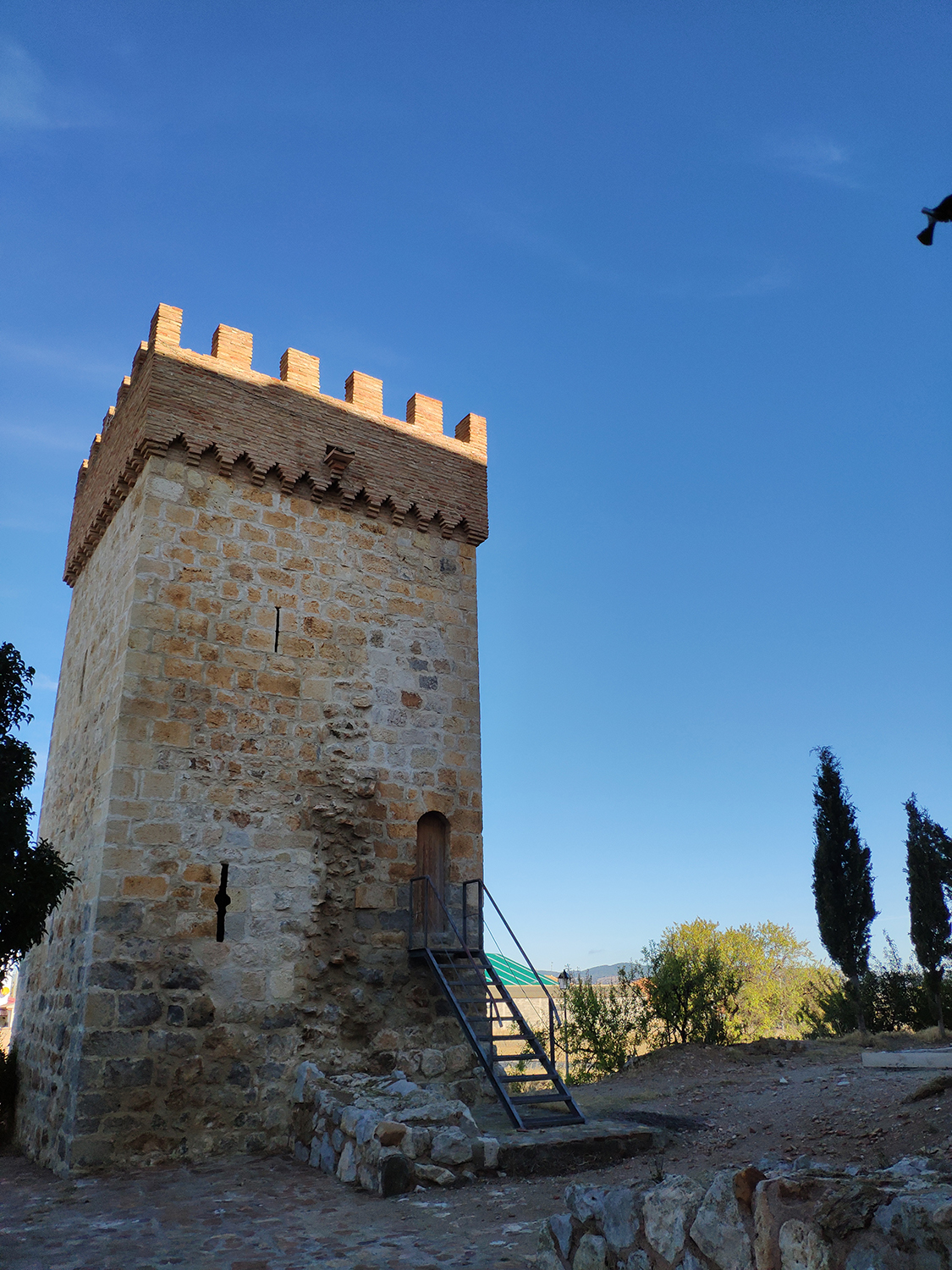
The remains of one of the towers of the old medieval fortress remain. Dating from the 14th century, it is made of ashlar stone and formed part of the fortified complex on which stands the Baroque church of San Miguel which, although dated 1686, retains an earlier element: its spectacular 15th century Mudejar tower.

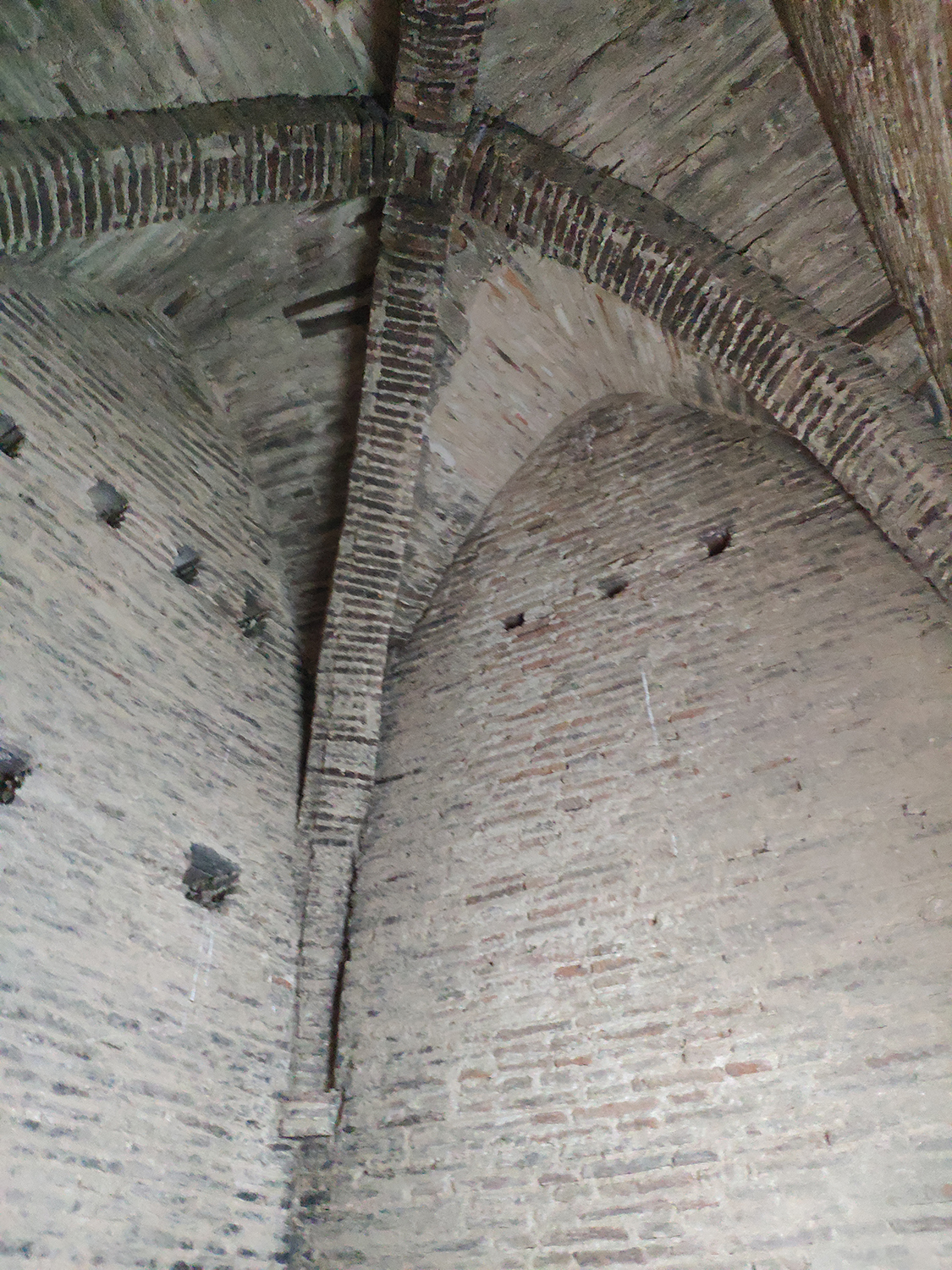
It is the only preserved element of the old church. It has a square floor plan and a solid body with two superimposed rooms. Its exterior is sober with some bands of angled brick and a frieze of lozenges interrupted by the bells.

The tower is accessed from the choir loft inside the church and its layout resembles that of a Christian tower rather than an Islamic tower.

With a past marked by the passage of Celtiberian, Roman and Mozarabic peoples, among others, Villarreal de Huerva preserves a latent historical and artistic pulse represented by the remains of its castle and church.

The remains of one of the towers of the old medieval fortress can still be seen. Dating from the 14th century, it is made of ashlar stone and formed part of the fortified complex on which stands the Baroque church of San Miguel which, although dated 1686, retains an earlier element: its spectacular 15th century Mudejar tower.

It is the only preserved element of the old church. It has a square floor plan and a solid body with two superimposed rooms. Its exterior is sober with some bands of angled brick and a frieze of lozenges interrupted by the bells.

The tower is accessed from the choir loft inside the church and its layout resembles that of a Christian tower rather than an Islamic tower.

Enduring tradition

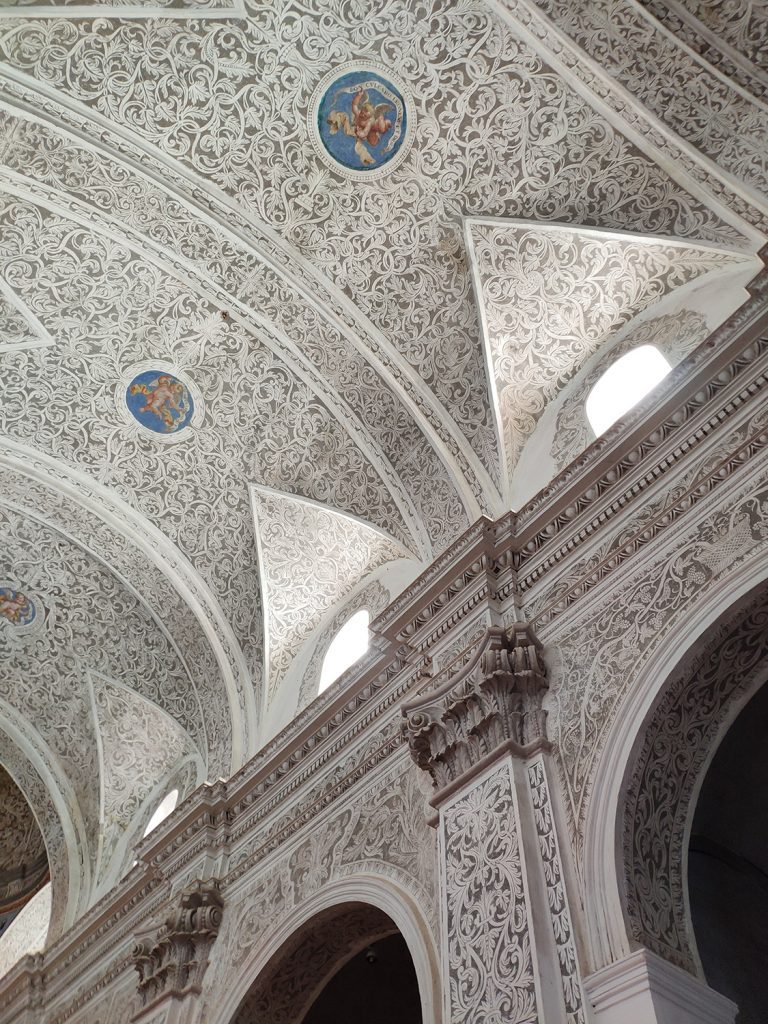
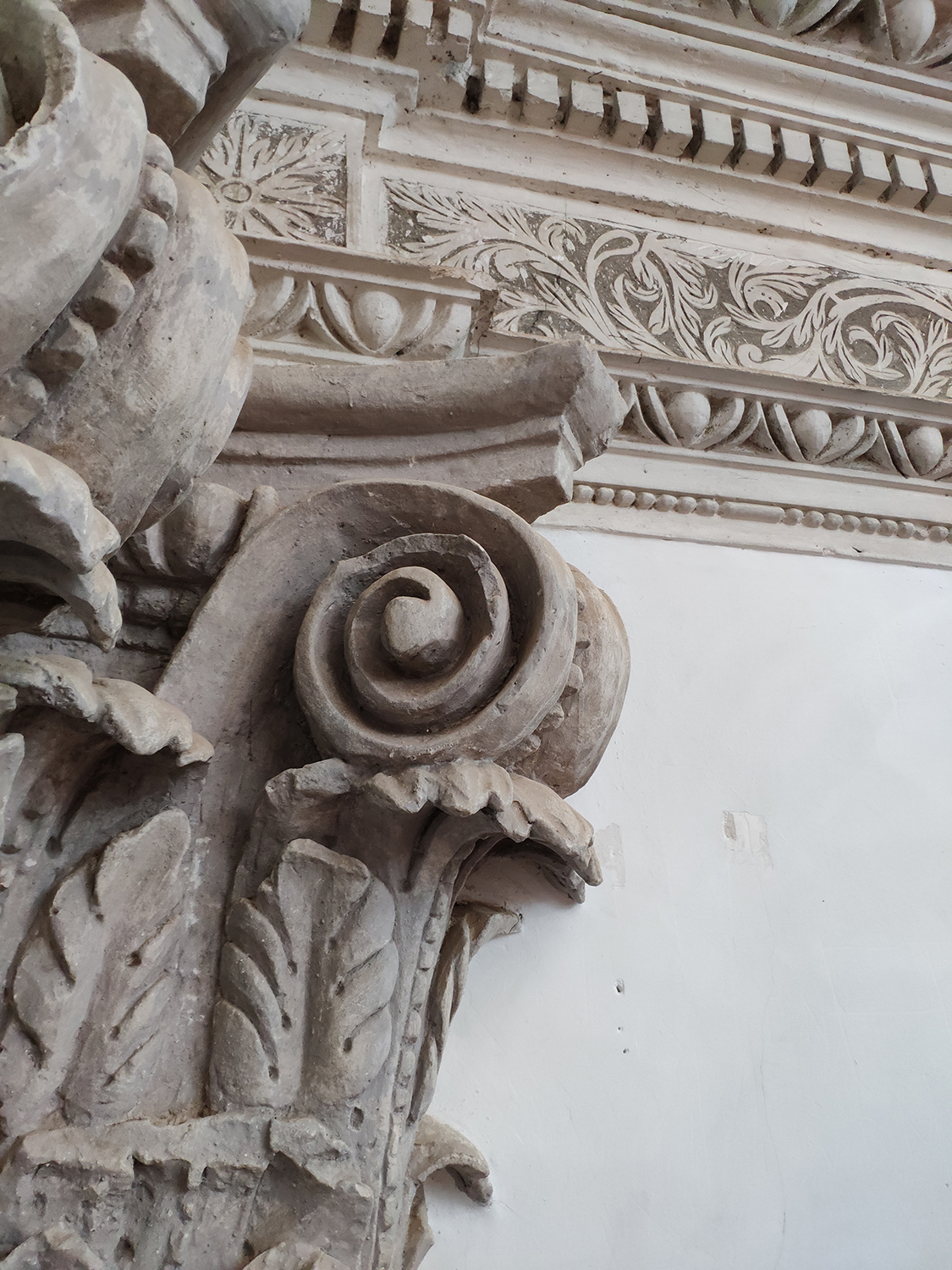
The interior of the church contrasts with the austere exterior and it is surprising to see how its walls and vaults are completely covered with a striking white sgraffito from the modern period on a black background which, together with the carefully studied natural lighting, makes the baroque altarpiece and medallions stand out even more.

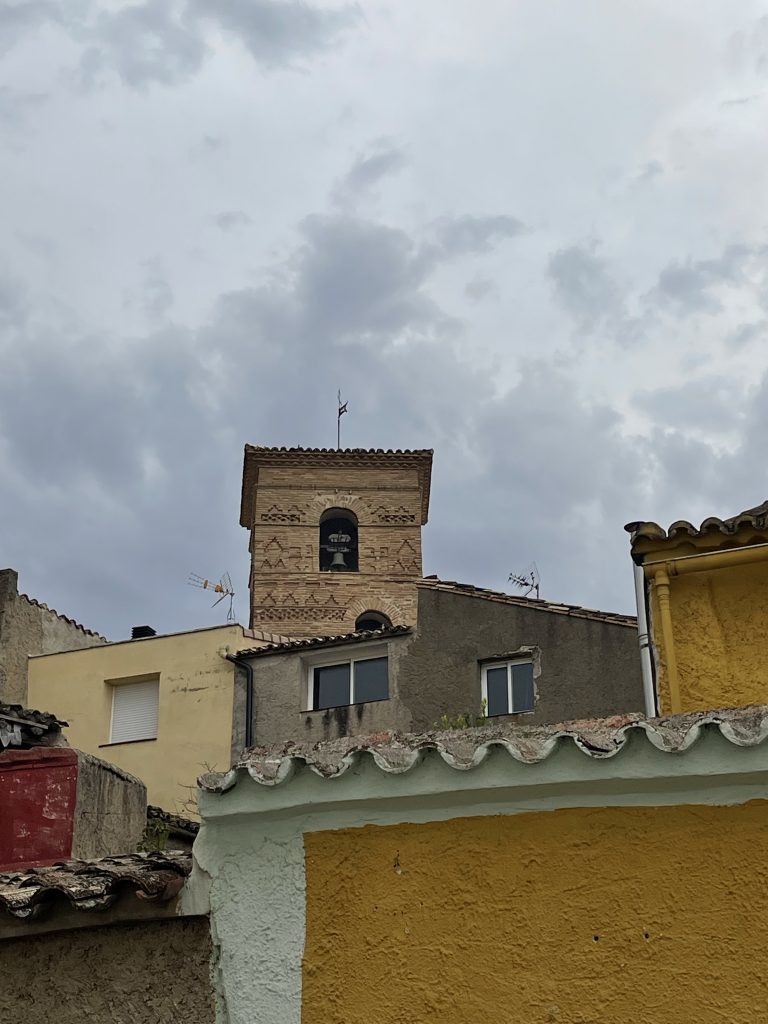
A few kilometres from the town is the hermitage of Nuestra Señora del Rosario, a neoclassical temple that replaced an earlier one. Its Mudejar brick tower is the only legacy of the original church. Slightly rectangular in plan, it is in the belfry where the brick decoration is concentrated.

Another of the most outstanding buildings in Villarreal de Huerva is the Venta del Peirón, a typical roadside inn of the kind that used to line the roads of Spain and which offered everything from medical services to stables. The town also preserves traces of the importance of water in its history as the power of mills and a source of irrigation, a legacy that can be seen in the bridge of La Venta and the Roman bridge.

The interior of the church contrasts with the austere exterior, and it is surprising to see that the walls and vaults are completely covered with a striking white modernist sgraffito on a black background, which, together with the carefully studied natural lighting, enhances the Baroque altarpiece and medallions.

A few kilometres from the town is the hermitage of Nuestra Señora del Rosario, a neoclassical temple that replaced an earlier one. Its Mudejar brick tower is the only legacy of the original church. Slightly rectangular in plan, it is in the bell tower that the brick decoration is concentrated.

Another of the most outstanding buildings in Villarreal de Huerva is the Venta del Peirón, a typical roadside inn of the kind that used to line the roads of Spain and which offered everything from medical services to stables. The town also preserves traces of the importance of water in its history as the power of mills and a source of irrigation, a legacy that can be seen in the bridge of La Venta and the Roman bridge.

Information

Town Hall: 976 807 041
aytovillarrealdehuerva.es

Association for Integral Rural Development
The lands of Jiloca and Gallocanta
adri.es

VISIT VILLARREAL DE HUERVA
976 633 296

DO YOU WANT TO KNOW MORE?

Aragon Tourism
turismodearagon.com
Daroca Region Tourism
turismo.comarcadedaroca.com
Centre for Darocese Studies
ifc.dpz.es
Center of Jiloca Studies
www.xiloca.org

Territorio Mudéjar Network

The city council has been a full partner of Territorio Mudéjar since December 2019.

Projects Territorio Mudéjar in Villarreal de Huerva

Monuments | View the project
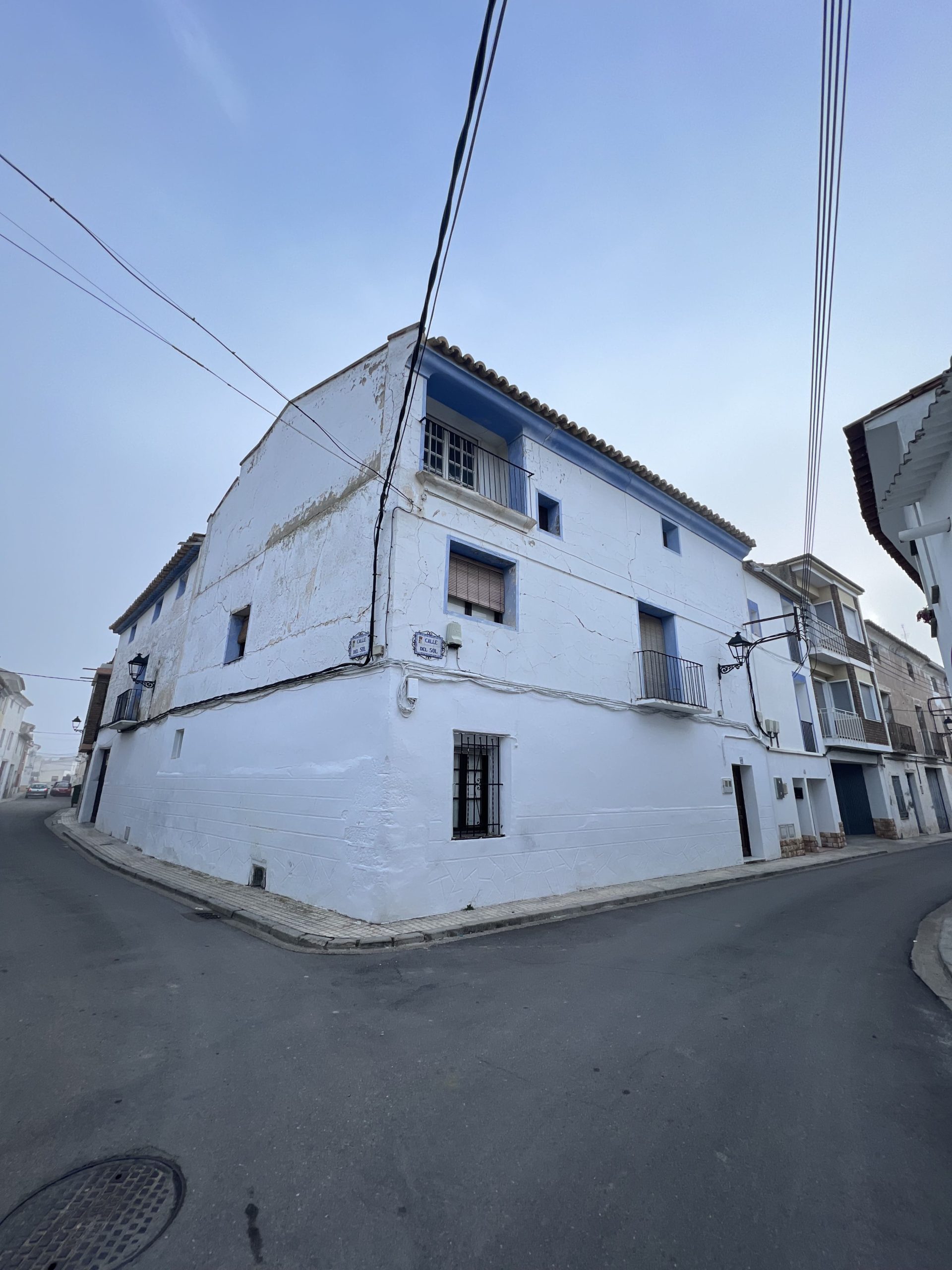
Pedagogy | View the project
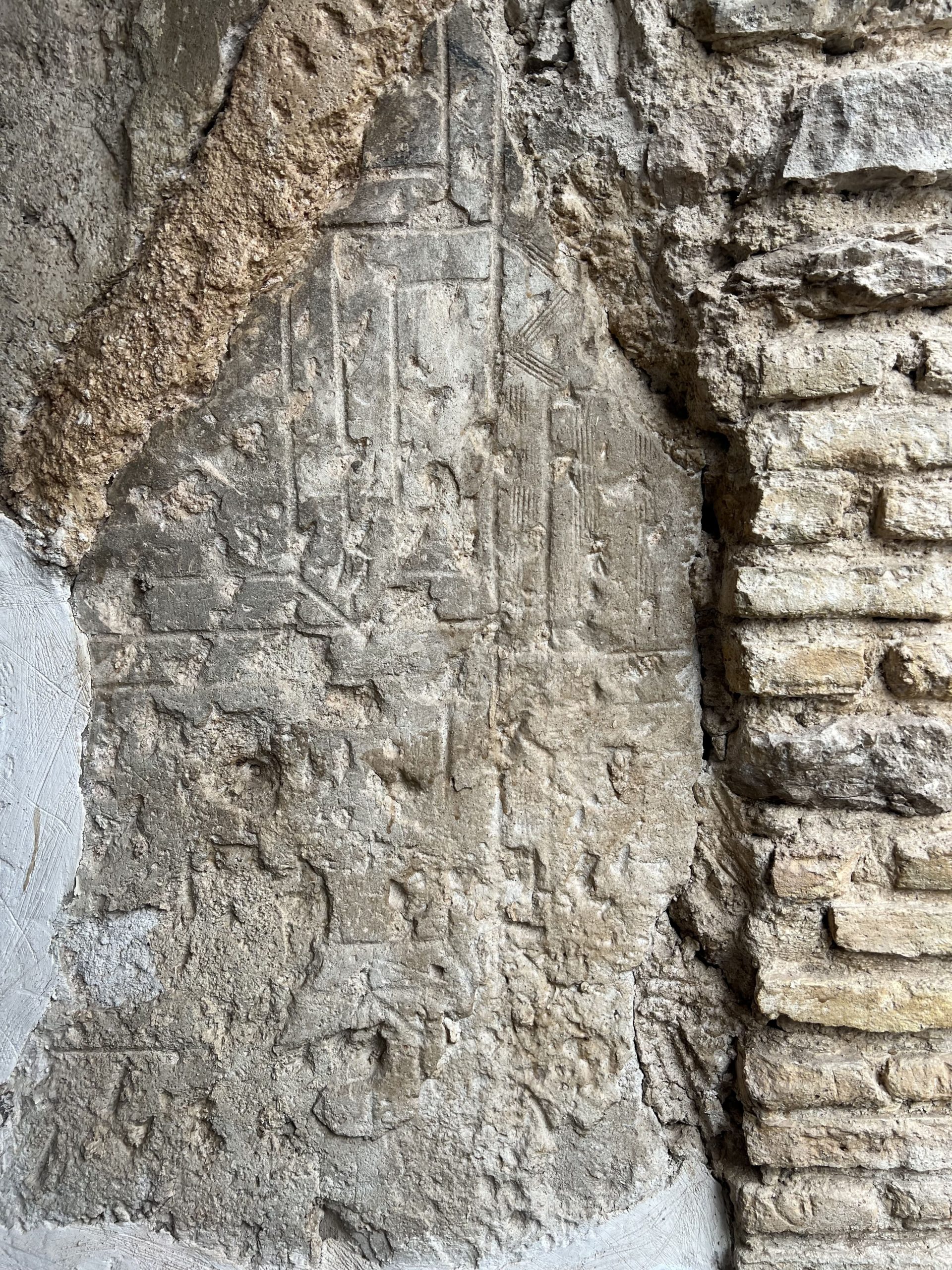
Mudetrad Project | View the project
Didactic Mudejar, the guide | View the project
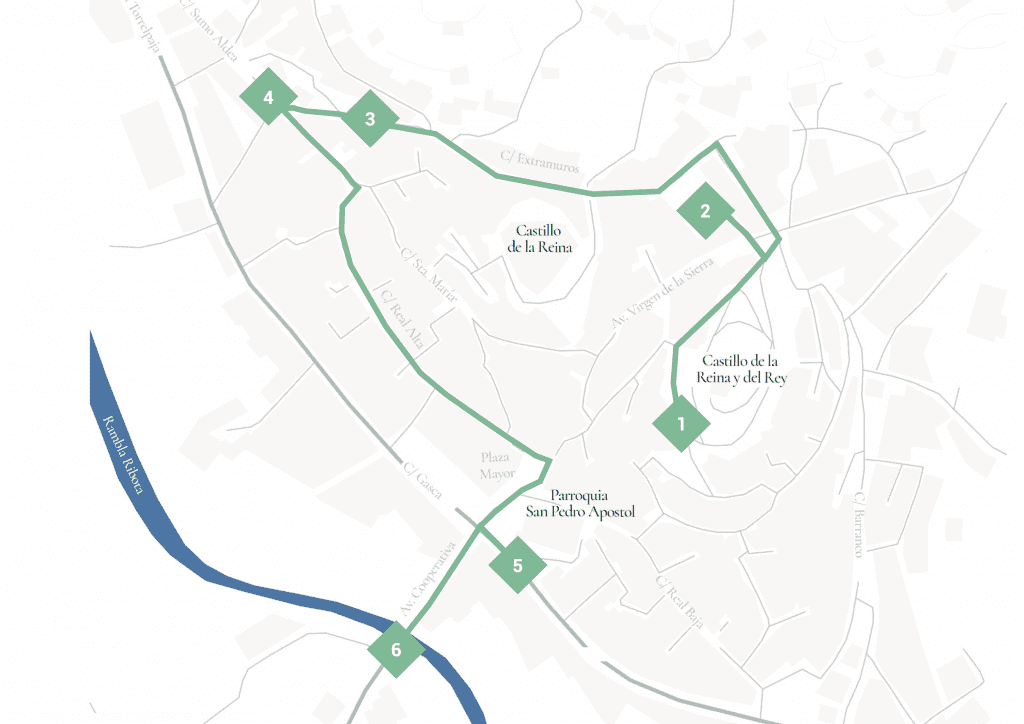
‘Circular’ Family walks | View the project

Villar de los Navarros

Monuments
THIS PROJECT PROVIDES AN UPDATED VISION OF THE MUDEJAR MONUMENTAL HERITAGE
Villar de los Navarros
Pedagogy
SCHOOL MATERIALS TO WORK ON CULTURAL AND NATURAL HERITAGE
mudetrad-villar
Mudetrad Project
A PROJECT THAT VALUES THE TRADITIONAL ARCHITECTURE OF VILLAR DE LOS NAVARROS
Imagen decorativa para Slider
Circular from the rural school
Family walks
COOPERATIVE PROJECT BETWEEN RURAL DEVELOPMENT GROUPS

At the foot of the mountains

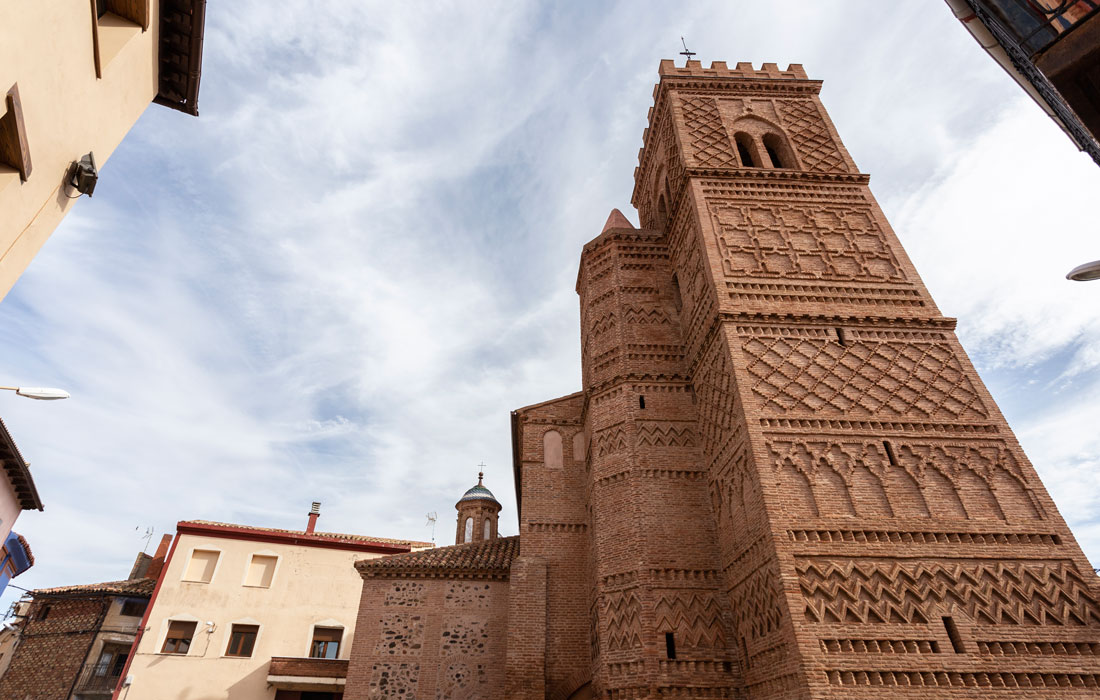
Villar de los Navarros sits at the foot of the Sierra de Herrera mountain range, was the scene of one of the most crucial battles of the first Carlist war and preserves a great wealth of Islamic historical and artistic heritage as a result of its proximity to the focal point of the Mudejar presence in Aragon: located in the Jalón valley and its parallel to the Huerva. As an example, in the centre of the town stands the parish church of San Pedro, a 15th century temple that nowadays is the result of two extensions to the original Mudejar building in the 16th and 18th centuries. Inside, the choir, whose walls have preserved the remains of Mudejar stonework in which we can distinguish motifs of mixtilinear loops and interlaced Gothic quadrilobes, is particularly striking. But it is on the outside, where the Mudejar bell tower is the centre of attention.

Villar de los Navarros, at the foot of the Sierra de Herrera mountain range, was the scene of one of the most decisive battles of the First Carlist War, and its proximity to the centre of the Mudejar presence in Aragon, in the valley of the Jalón and its parallel with the Huerva, means that it preserves a great wealth of Islamic historical and artistic heritage.

As an example, in the centre of the town stands the parish church of San Pedro, a 15th century temple that nowadays is the result of two extensions to the original Mudejar building in the 16th and 18th centuries. Inside, the choir, whose walls have preserved the remains of Mudejar stonework in which we can distinguish motifs of mixtilinear loops and interlaced Gothic quadrilobes, is particularly striking. But it is on the outside, where the Mudejar bell tower is the centre of attention.

The beauty of Mudejar “horror vacui”

The tower of the church of San Pedro, attached to the foot of the church and built in the first decades of the 15th century, has a curious layout. It consists of a main tower with the function of a belfry – with a square ground plan and a height of five interconnected rooms – to which a second tower of smaller proportions is attached. The latter houses the spiral staircase, which is the only possible access to the rooms of the first tower. These rooms are vaulted with simple ribbed vaulting and their height decreases as one ascends in height. The exterior decoration is dominated by typical 14th-century systems of drapery: friezes of simple angles, double-thread zigzag strips, interlaced mixtilinear arches and crosses forming lozenges. The main tower has a crenellated top and a pyramidal spire.

The heritage of Villar de los Navarros is completed with the hermitages of Santa Bárbara and Santa Ana, the peirons that preserve such an ancestral tradition, a walk to the Calvario – on one of the hills – and to the sanctuary of the Virgen de Herrera.

The tower of the church of San Pedro, attached to the foot of the church and built in the first decades of the 15th century, has a curious layout. It consists of a main tower with the function of a bell tower – with a square plan and a height of five interconnected rooms – to which is attached a second tower of smaller proportions.

The latter houses the spiral staircase, which is the only possible access to the rooms of the first tower. These rooms are vaulted with simple ribbed vaulting and their height decreases as one ascends in height. The exterior decoration is dominated by typical 14th-century systems of drapery: friezes of simple angles, double-thread zigzag strips, interlaced mixtilinear arches and crosses forming lozenges. The main tower has a crenellated top and a pyramidal spire.

The heritage of Villar de los Navarros is completed with the hermitages of Santa Bárbara and Santa Ana, the peirons that preserve such an ancestral tradition, a walk to the Calvario – on one of the hills – and to the sanctuary of the Virgen de Herrera.

Information

Town Hall: 976 14 28 01

Association for Integral Rural Development
The lands of Jiloca and Gallocanta
adri.es

VISIT TO VILLAR DE LOS NAVARROS
976 633 296

DO YOU WANT TO KNOW MORE?
Aragon Tourism
turismodearagon.com
Daroca Region Tourism
turismo.comarcadedaroca.com
Centre for Darocese Studies
ifc.dpz.es
Center of Jiloca Studies
www.xiloca.org

Territorio Mudéjar Network

The city council has been a founding member of Territorio Mudéjar since 13 September 2018.

Projects Mudejar Territory in Villar de los Navarros

Monuments | View the project
Pedagogy | View the project
Mudetrad Project | View the project
Didactic Mudejar, the guide | View the project
‘Circular’ Family walks | View the project

Villamayor de Gállego

villamayor-W2
Pedagogy
SCHOOL MATERIALS TO WORK ON CULTURAL AND NATURAL HERITAGE
mudetrad-villamayor
Mudetrad Project
THIS PROJECT PROVIDES AN UPDATED VISION OF THE MUDEJAR MONUMENTAL HERITAGE
cartografia-identidades-rurales
Cartography of Rural Identities
MAP OF THE TERRITORY THAT COLLECTS THE IDENTITY OF ITS INHABITANTS, HISTORY AND HERITAGE
Imagen decorativa para Slider
Circular from the rural school
Family walks
COOPERATIVE PROJECT BETWEEN RURAL DEVELOPMENT GROUPS

The Gállego River kitchen garden

Villamayor de Gállego is a municipality located near the confluence of the rivers Gállego and Ebro with a rich past as an area of Roman and Muslim settlements.

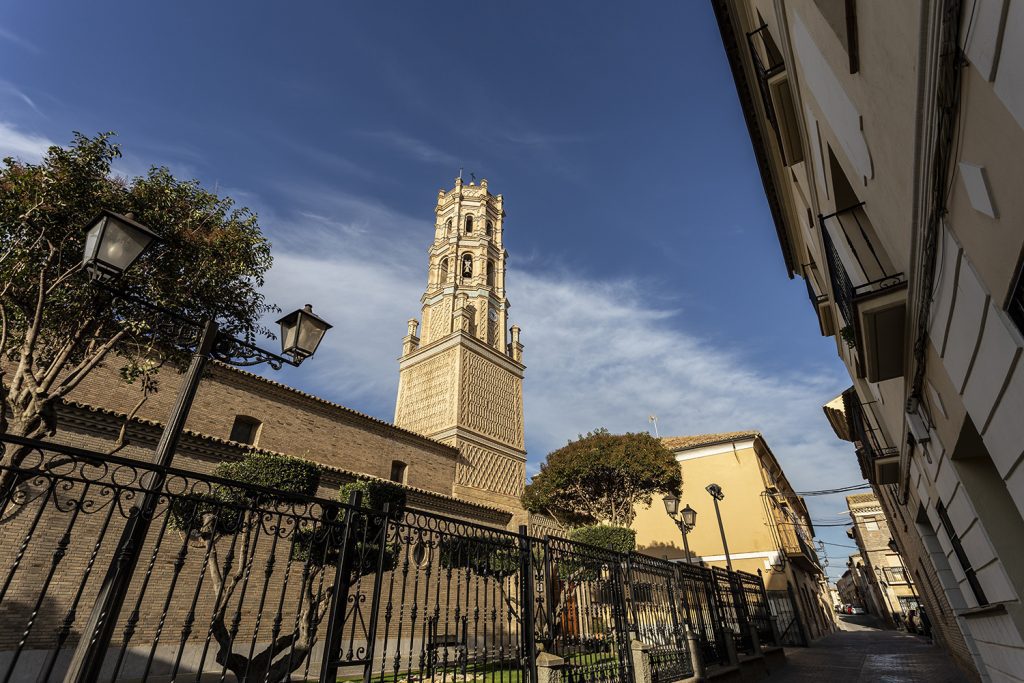
The Arab presence in the locality is visible especially in the watchtower of the Loma del Pesebre. and above all in the inherited tradition that takes shape in the town from the construction of a spectacular landscape of water resources, as well as in a town planning marked by palatial brick houses and the spectacular Mudejar tower of the church of the Assumption of Our Lady, the only preserved element of the Mudejar church and a clear manifestation of the economic strength of the town at the dawn of the modern era.

The tower was commissioned by the master builder Domingo de Estala in 1587 and is a superb example of late Mudejar architecture. It is divided into two sections: the lower, two-storey section with a square floor plan, and the upper, three-storey octagonal section with corner turrets between them. It combines an exuberant brick decoration with Muel tiles.

Villamayor de Gállego is a municipality located near the confluence of the rivers Gállego and Ebro with a rich past as an area of Roman and Muslim settlements.

The Arab presence in the locality is visible especially in the watchtower of the Loma del Pesebre. and above all in the inherited tradition that takes shape in the town from the construction of a spectacular landscape of water resources, as well as in a town planning marked by palatial brick houses and the spectacular Mudejar tower of the church of the Assumption of Our Lady, the only preserved element of the Mudejar church and a clear manifestation of the economic strength of the town at the dawn of the modern era.

The tower was commissioned by the master builder Domingo de Estala in 1587 and is a superb example of late Mudejar architecture. It is divided into two sections: the lower, two-storey section with a square floor plan, and the upper, three-storey octagonal section with corner turrets between them. It combines an exuberant brick decoration with Muel tiles.

The ancient “Almamblas”

Villamayor de Gállego was established on an ancient village that the Muslims called Mamblas or Almamblas, which could be located near the Torre de la Hacienda and the old irrigation ditch. It was founded in the mid-12th century, after the conquest of Saragossa by Alfonso I and as part of the royal plans to establish a population in the areas recently won from the Muslims.

Dominating the town is the Sanctuary of Nuestra Señora del Pueyo, on a hillock where the monumental complex is concentrated, formed by the church, with a corridor or cloister, the santero’s house, a building for residential use and a small hermitage or chapel attached. The sanctuary is a Mudejar-style building built in the 15th century, enlarged in the 16th century and remodelled at the beginning of the 18th century.

Its natural heritage features the famous Sabina de Villamayor, of the albar or white species, which is a bimillenary tree, of great stature, whose rough trunk and solitary stamp in the middle of cultivated fields make it worthy of a stop.

Villamayor de Gállego was founded on an ancient village that the Muslims called Mamblas or Almamblas, located near the Torre de la Hacienda and the old irrigation channel. It was founded in the middle of the 12th century, after the conquest of Saragossa by Alfonso I, as part of the royal plans to settle the territories recently won from the Muslims.

The town is dominated by the Sanctuary of Nuestra Señora del Pueyo, on a hill where the monumental complex is concentrated, made up of the church with a corridor or cloister, the santero’s house, a house for living and a small hermitage or chapel. The sanctuary is a Mudejar-style building from the 15th century, enlarged in the 16th century and remodelled at the beginning of the 18th century.

Its natural heritage includes the famous Sabina de Villamayor, of the albar or white species, a bimillenary tree of great stature whose rough trunk and solitary presence in the middle of cultivated fields make it worth stopping to admire.

Information

Town Hall: 976 574 550
www.villamayordegallego.es

VISIT VILLAMAYOR DE GÁLLEGO

976 633 296

DO YOU WANT TO KNOW MORE?
Aragon Tourism
https://www.turismodearagon.com/ficha/villamayor-de-gallego/

Territorio Mudéjar Network

The city council has been a founding member of Territorio Mudéjar since enero 2019.

Projects Territorio Mudéjar in Villamayor de Gállego

Pedagogy | View the project
Mudetrad Project | View the project
Identidades Rurales | View the project
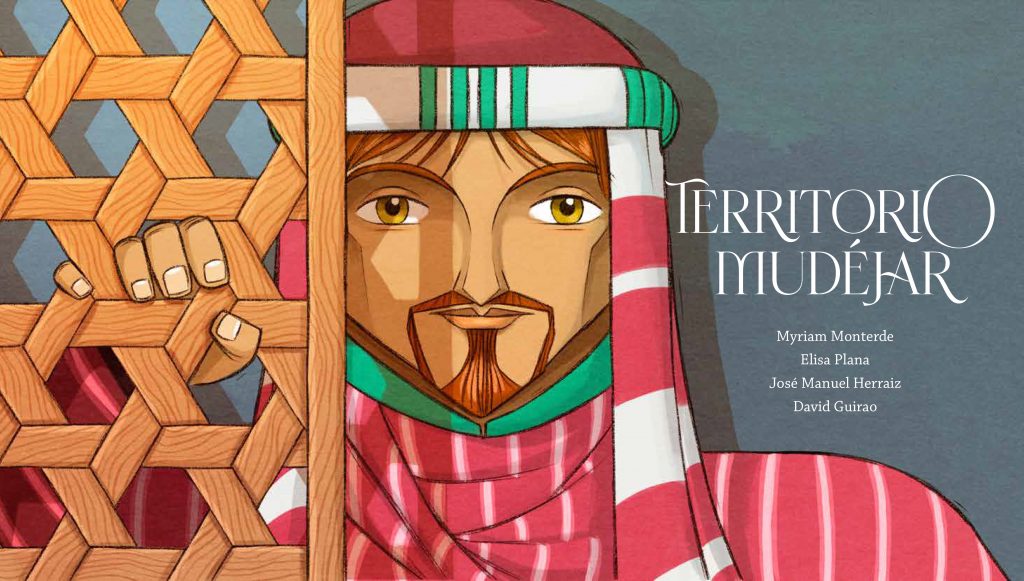
Mudéjar plaster | View the project
Didactic Mudejar, the guide | View the project
‘Circular’ Family walks | View the project