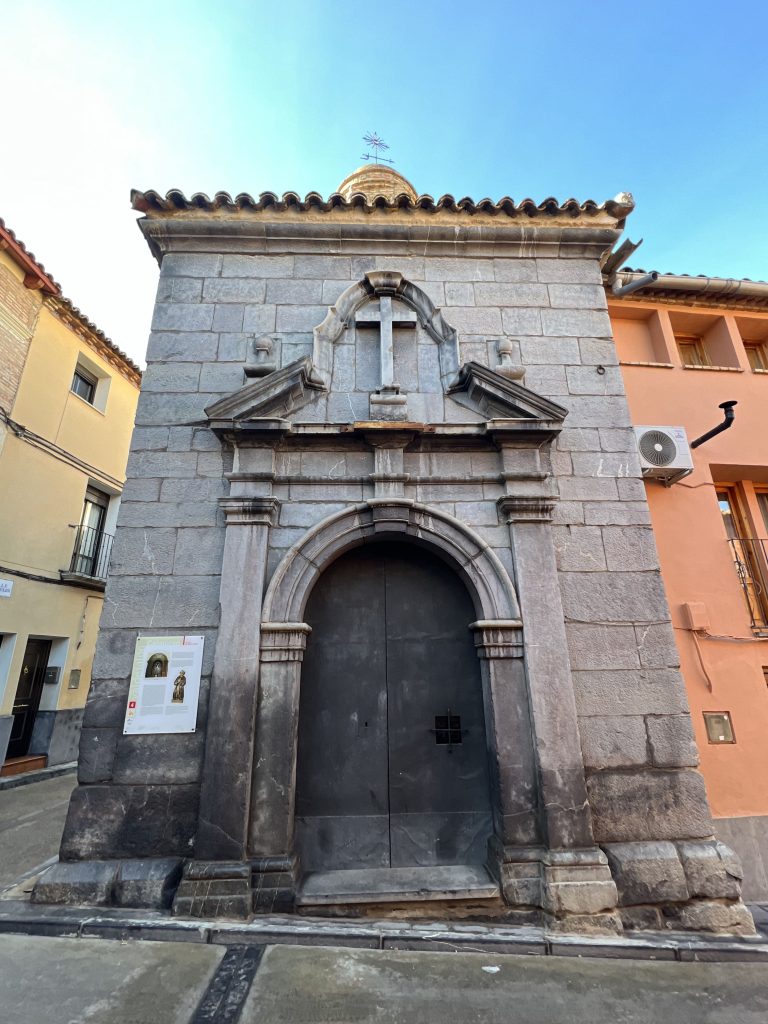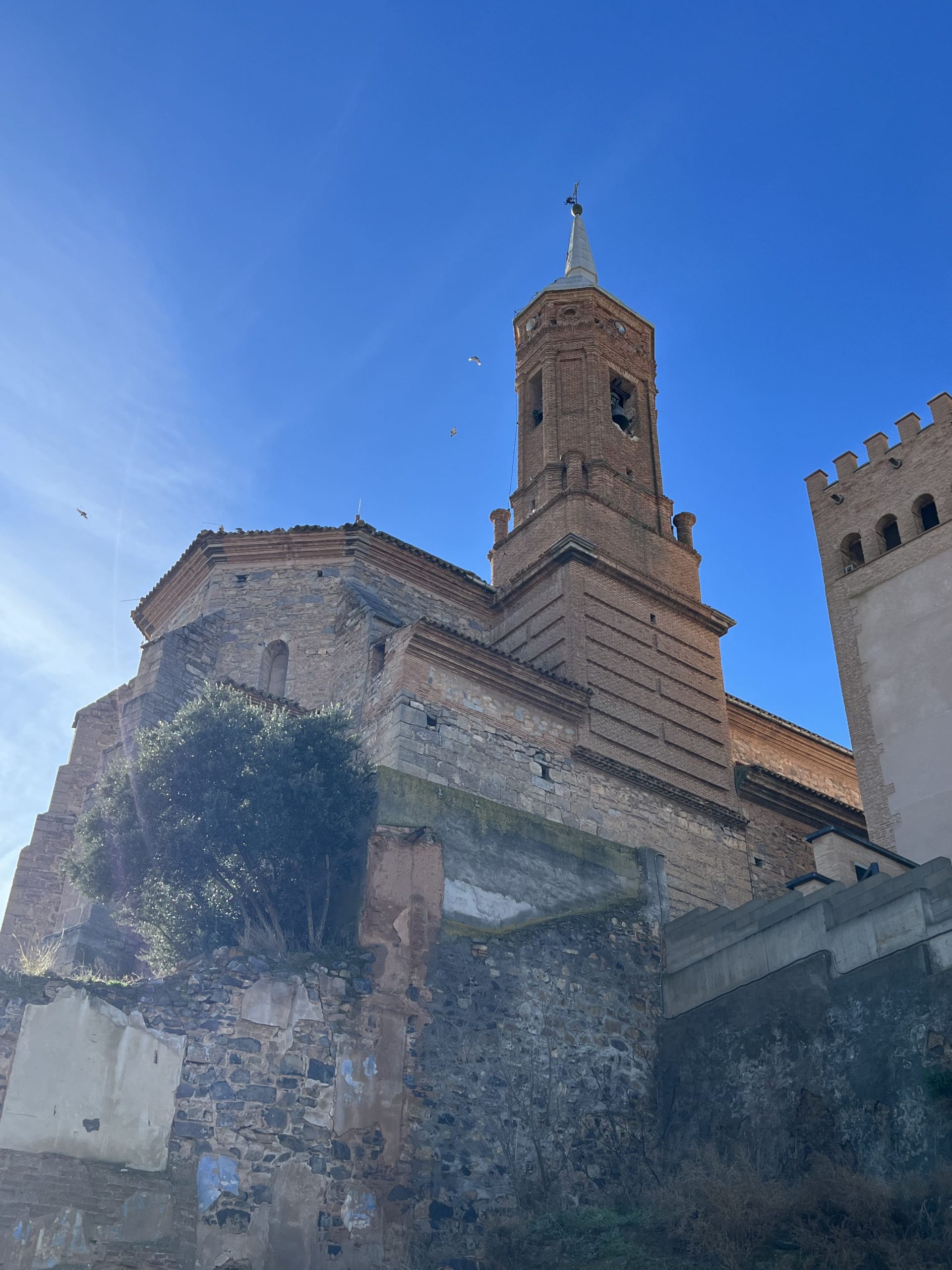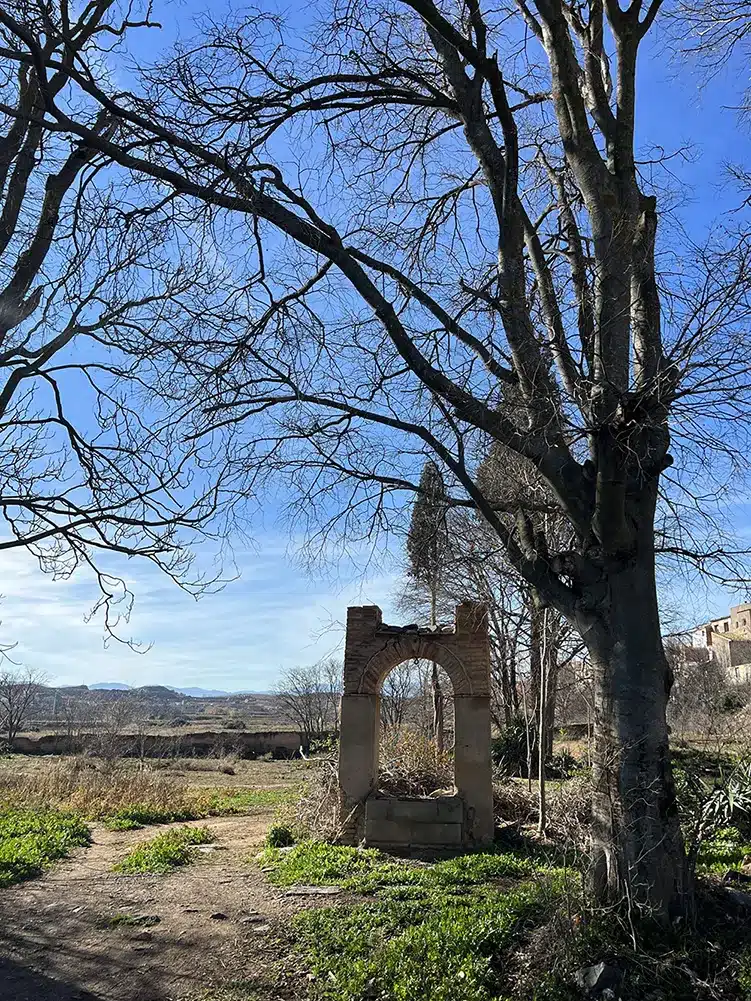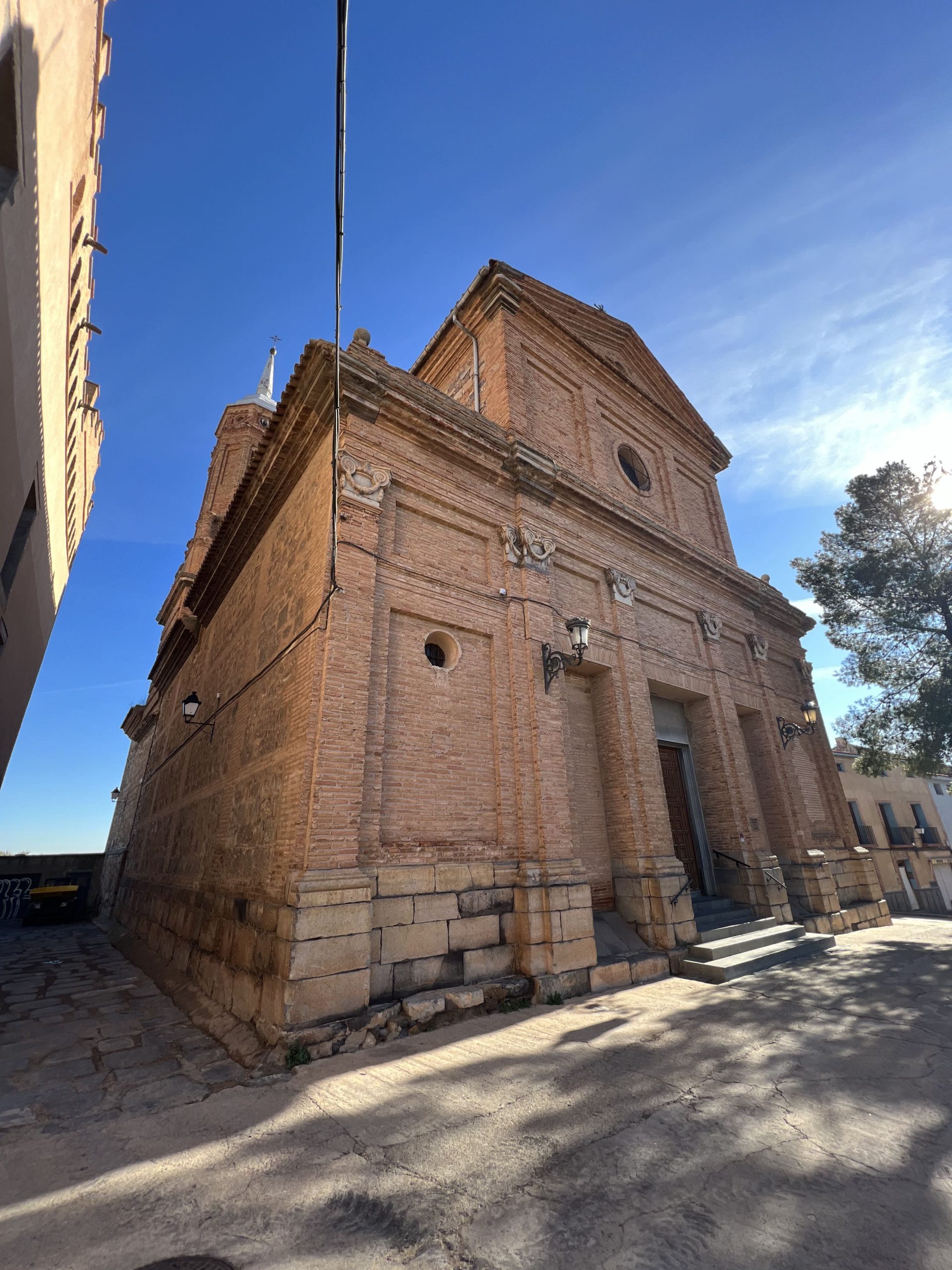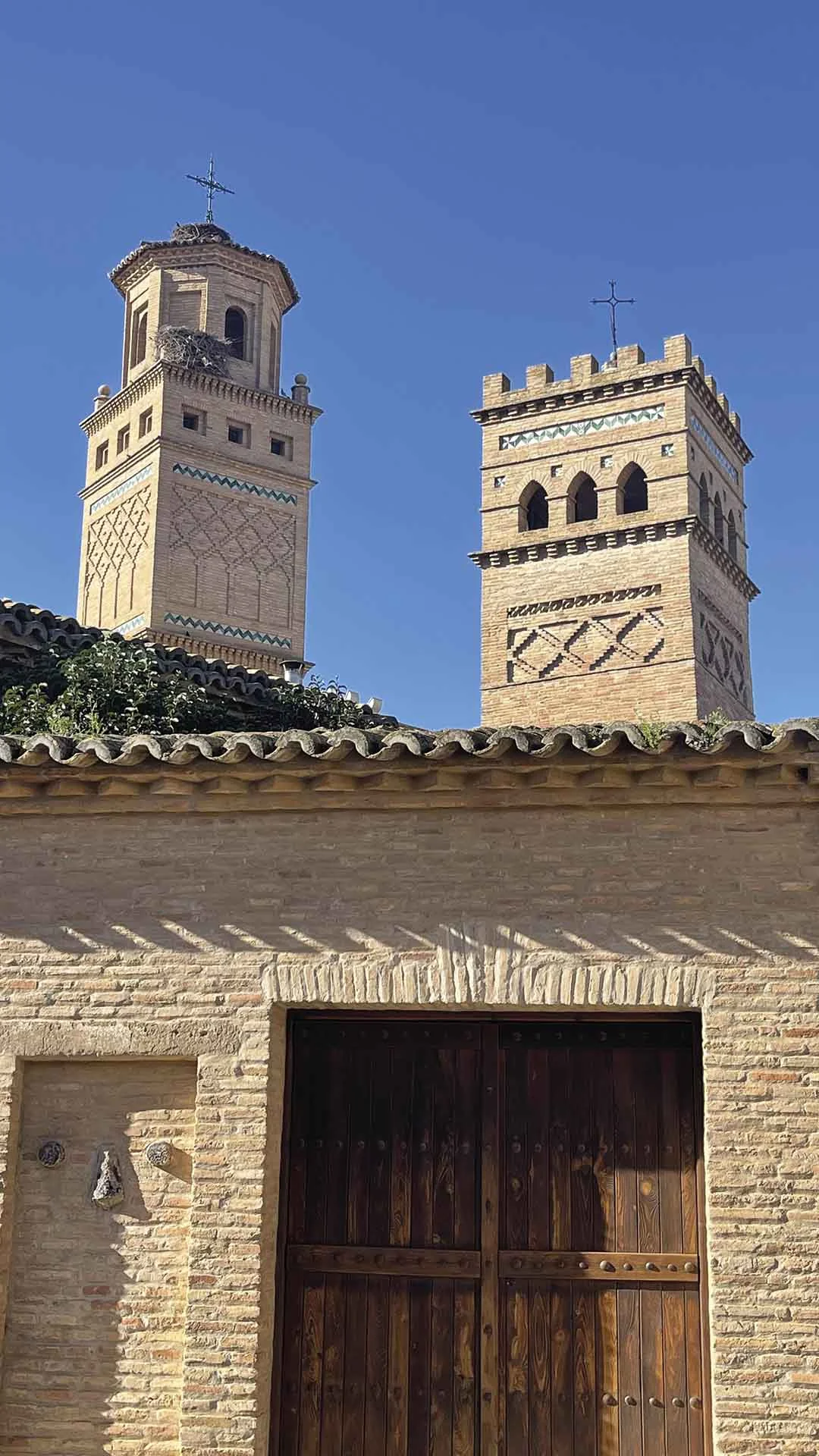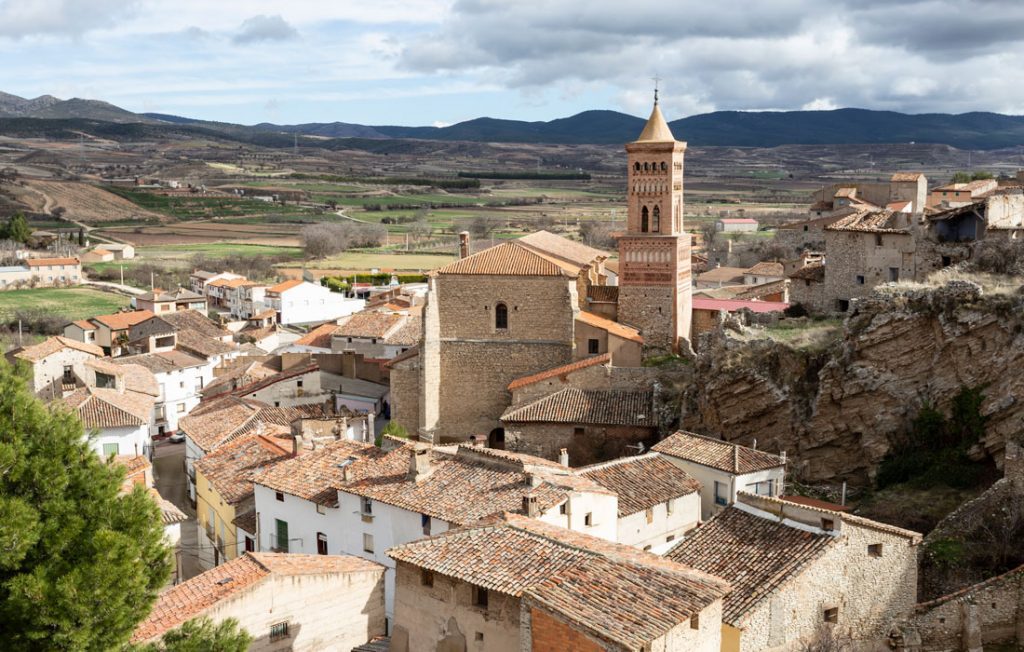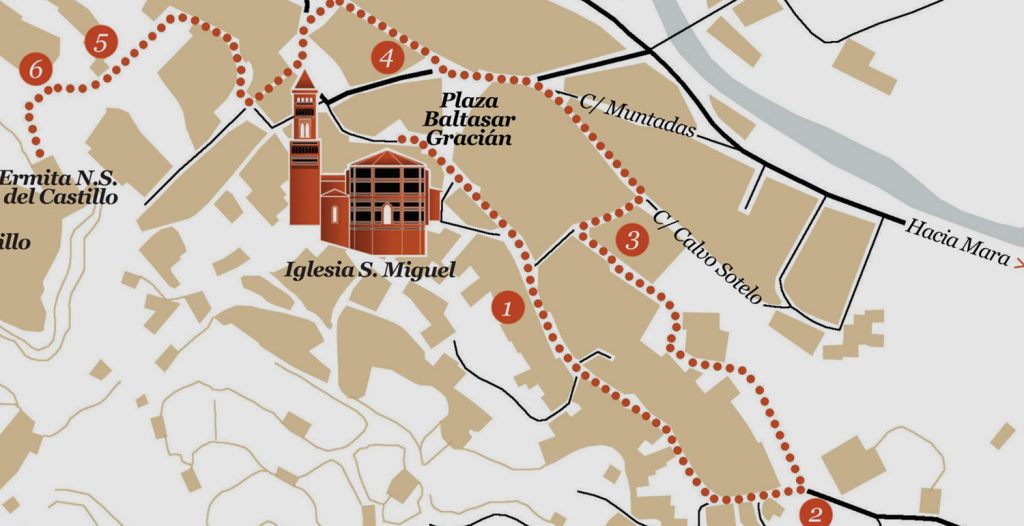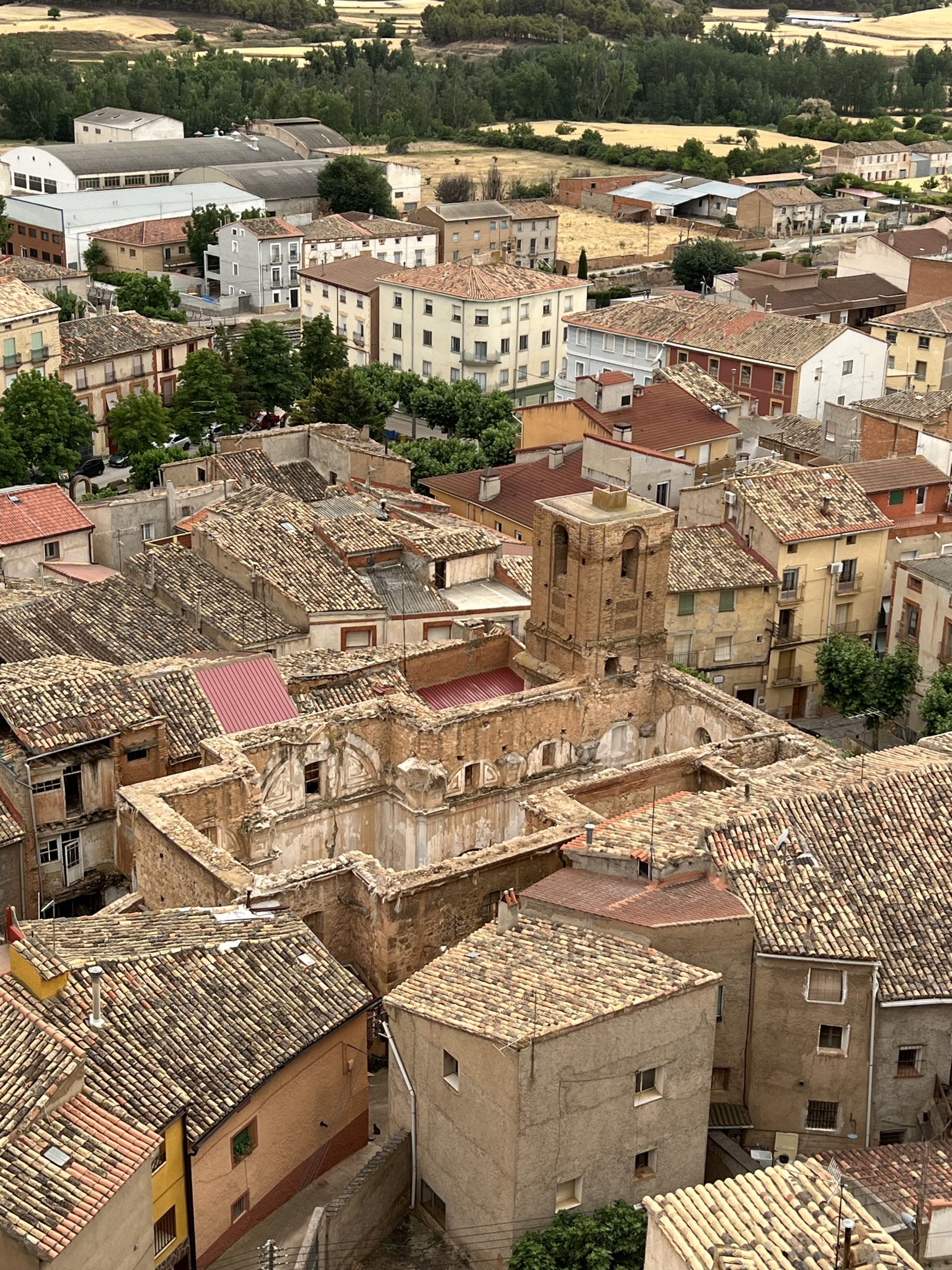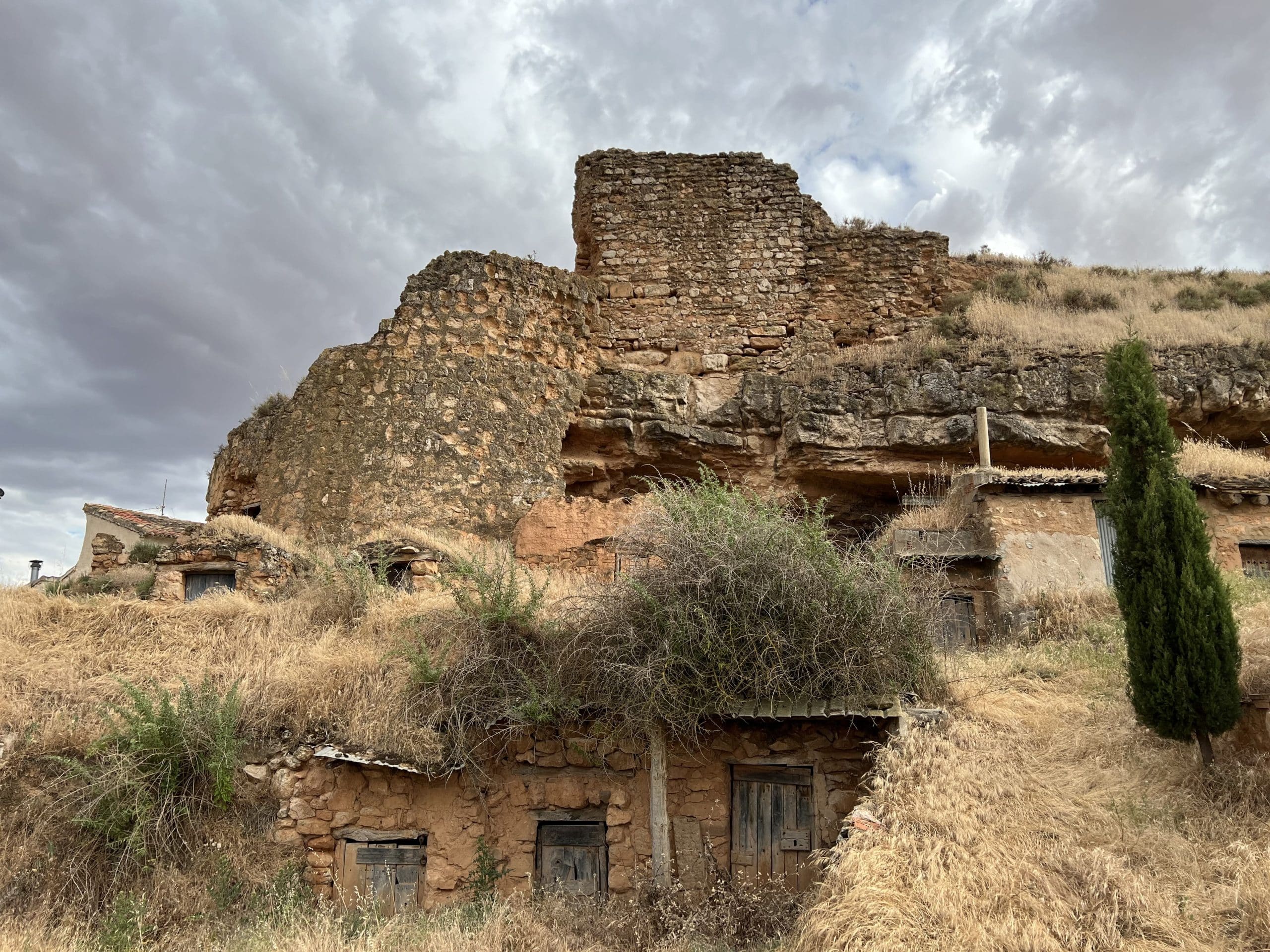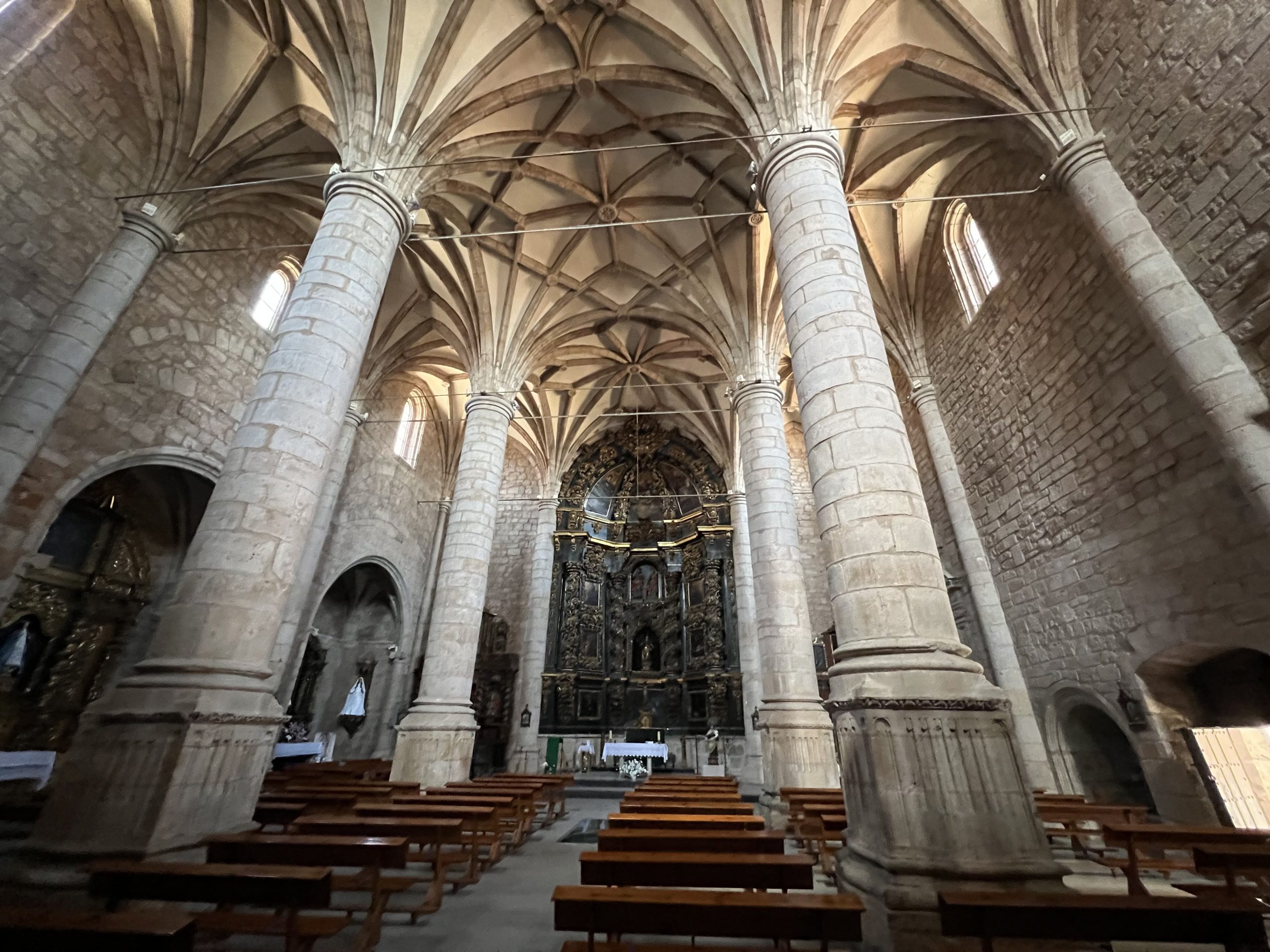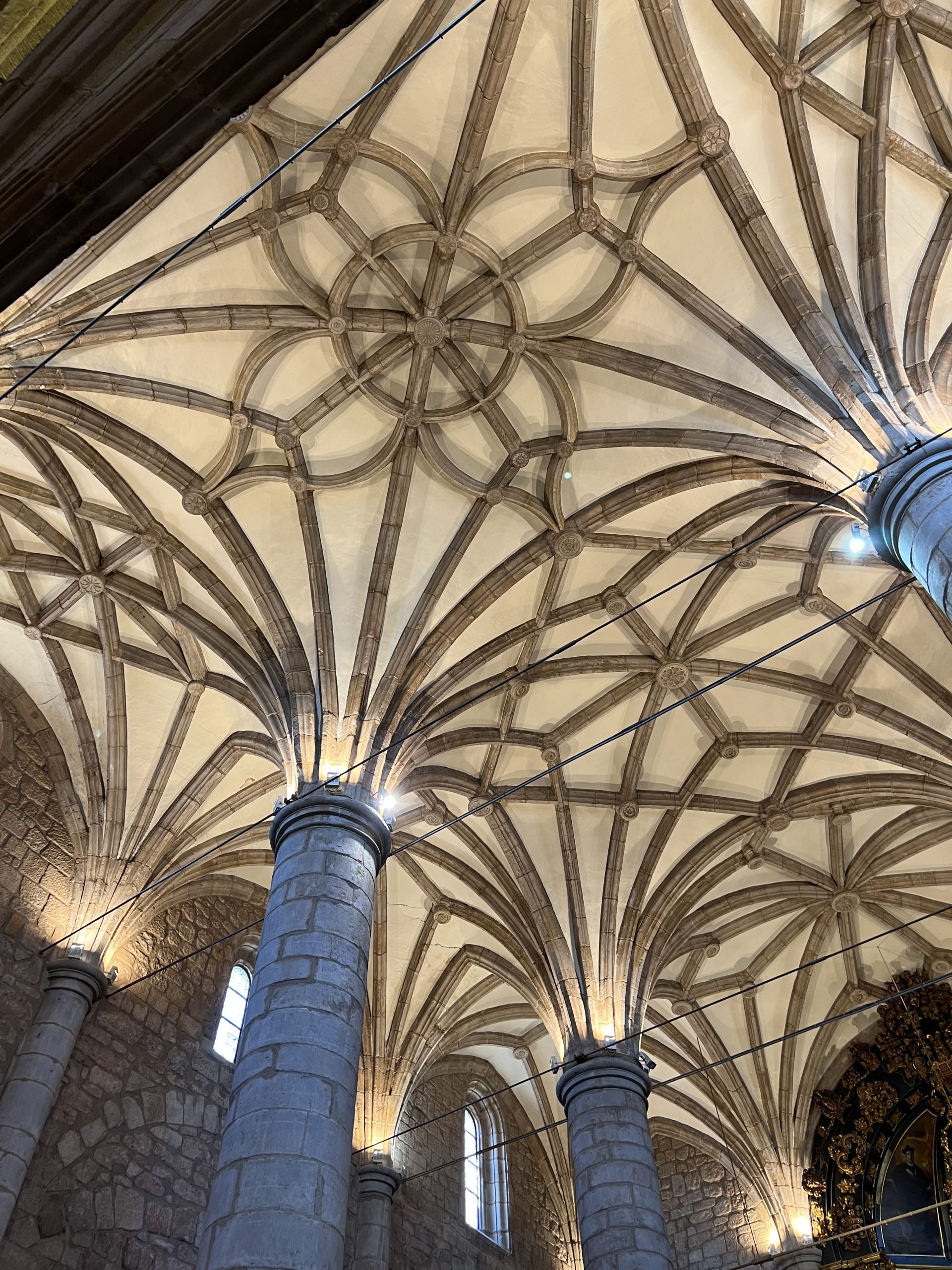
Villanueva de Gállego

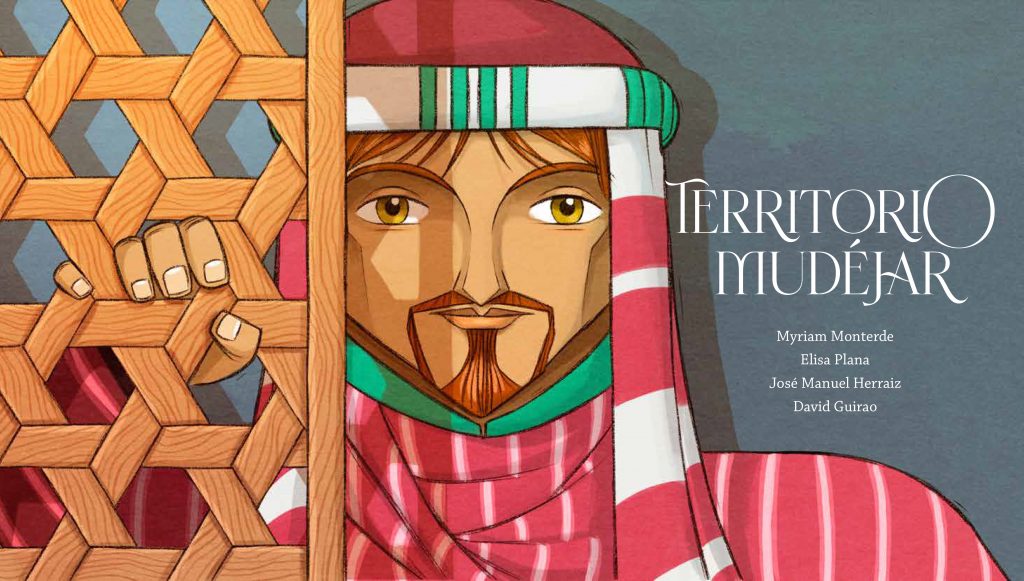
La guía didáctica
Didactic Mudejar, the guide
OUR GUIDE ILLUSTRATED BY DAVID GUIRAO CAN ACCOMPANY YOU ON YOUR JOURNEY

Villanueva de Gállego has just joined the network of municipalities of Territorio Mudéjar.

We are currently working on the content.

Territorio Mudéjar Network

The council has been a founding member of Territorio Mudéjar since 2026.

More information

Town Hall: 976 607 111

DO YOU WANT TO KNOW MORE?
Turismo de Aragón
turismodearagon.com
Turismo comarca de Valdejalón
valdejalon.es

La guía didáctica
Projects
FROM TERRITORIO MUDEJAR WE ARE WORKING ON NEW PROJECTS
Calatorao 4
Calatorao 1

"The Earth Castle

Calatorao is located in the surroundings of the Jalón valley, a fertile place that has been populated since the beginning of time and is famous for its black stone. The remains of the Celtiberian city of Nertóbriga are thought to be in the vicinity of the town, in a place known as Puyrredondo, between present-day La Almunia de Doña Godina, Ricla and Calatorao.

Also in the vicinity of the town is the Roman road that linked the important cities of Emerita Augusta (present-day Mérida) with Caesaraugusta (present-day Zaragoza). It seems to have played a key role in the wars against Numantia between 154 and 153 BC.

However, the origins of the locality as such date back to the Islamic period, when the place was baptised with the name ofQalat-al-Turäb, which means earth castle. This name refers to the castle located on the highest point of Calatorao, from which the hillside urban fabric that has evolved up to the present day was developed.
Moors and Christians

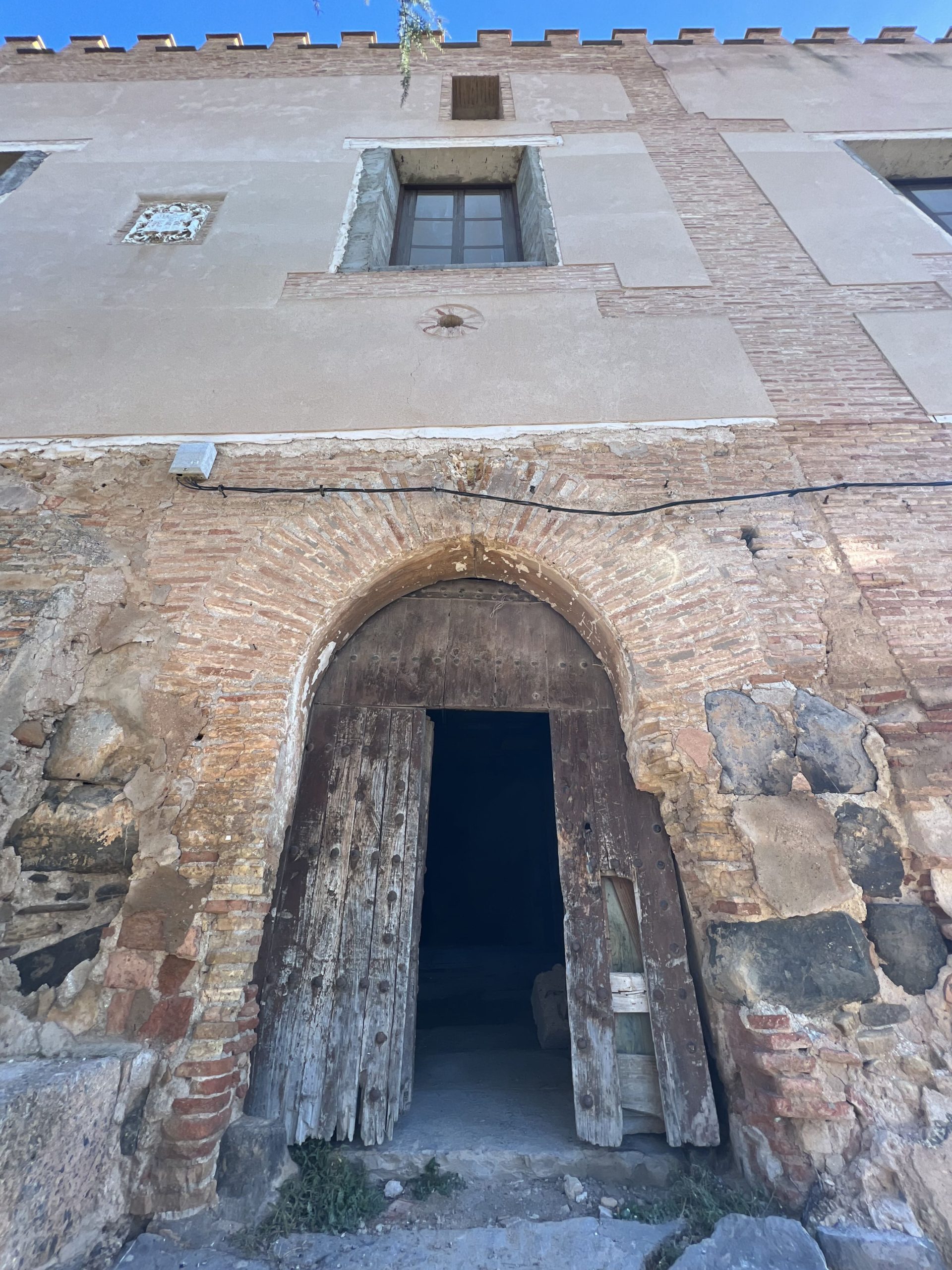
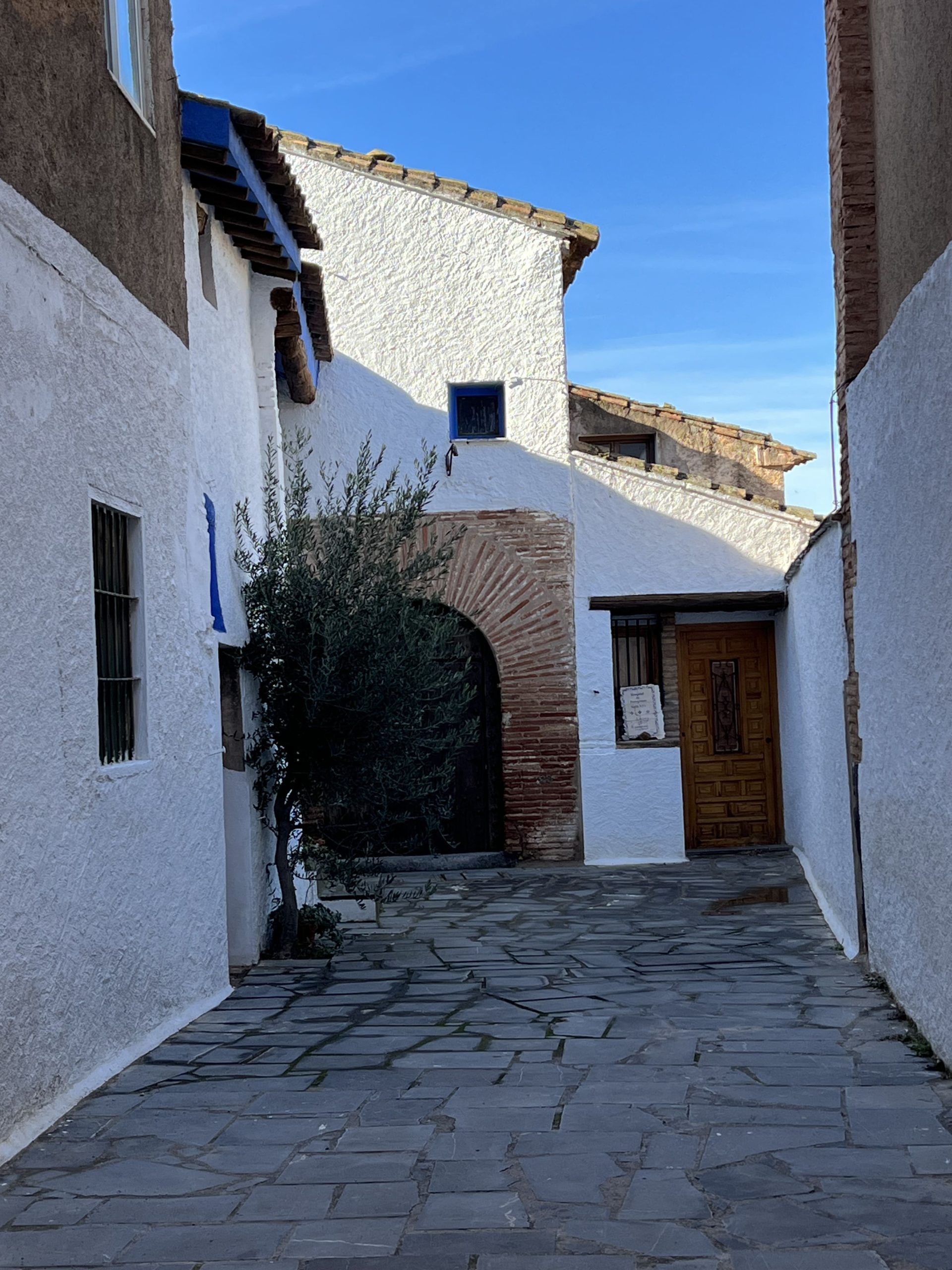
Already in the Christian period, we find in the documentation that refers to Calatorao a high number of Mudejar population in the town. Specifically, in 1350, the Mudejar population was twice as large as the Christian population: 100 Moors and 45 Christians. As a result, the 14th-15th century Mudejar aljama mosque is still preserved today. This building was located by Professor Bernabé Cabañero Subiza in 2002 in the building formerly known as the Hospital de los Peregrinos.

Other interesting elements that can be found on a stroll through the town are the parish church of San Bartolomé, a neoclassical construction from the 18th century, the group of Aragonese palatial houses from the 16th, 17th and 18th centuries or the Casino building built in 1910 and still in use.

Territorio Mudéjar Network

The city council has been a founding partner of Territorio Mudéjar since 2023.

More information

Town Hall: 976 607 111

DO YOU WANT TO KNOW MORE?
Turismo de Aragón
turismodearagon.com
Turismo comarca de Valdejalón
valdejalon.es

Proyectos Territorio Mudéjar
en Calatorao

Monumentos | Ver el proyecto
Pedagogía | Ver el proyecto
Proyecto Mudetrad | Ver el proyecto
Mudéjar didáctico, la guía | Ver el proyecto
“Circular” Paseos en familia | Ver el proyecto

Torres de Berrellén

Torres mudéjares de la iglesia parroquial de Torres de Berrellén, con decoración en ladrillo y cerámica vidriada.
CARRUSEL III
Pedagogy
SCHOOL MATERIALS TO WORK ON CULTURAL AND NATURAL HERITAGE
La guía didáctica
Didactic Mudejar, the guide
THE GUIDE ILLUSTRATED BY DAVID GUIRAO TO HELP YOU UNDERSTAND THE MUDEJAR STYLE
Torres mudéjares de la iglesia parroquial de Torres de Berrellén, con decoración en ladrillo y cerámica vidriada.

El Castellar: origin of the town and important military enclave

Torres de Berrellén is located in a landscape of singular beauty, next to the mouth of the river Jalón.

The town has its origins in the ancient village of El Castellar; the first Aragonese occupation on the banks of the Ebro built by King Sancho Ramirez in 1080, as a military fortification in the vicinity of the Islamic medina of Saraqusta.

This fortification was of great strategic value in the conquest of Zaragoza, carried out by King Alfonso I the Battler in 1118. The distribution of land to the neighbours, next to the banks of the Ebro, gave rise to the construction of farmhouses or towers that were soon populated, generating different urban centres.

The enclosure is located on a rocky spur of gypsum, which is used as the main building material. The remains of the entrance gate to the enclosure are preserved, as well as evidence of the masonry walls, some dwellings, drainage pipes and burial sites.

El Castellar was gradually depopulated throughout the 15th century, while Torres de Berrellén grew on the other side of the Ebro.

A church with two towers

The parish church of San Andrés dates from the 16th century and is notable for its two bell towers in Mudejar and neo-Mudejar style. The current appearance of the exterior of the Church of San Andrés Apóstol de Torres de Berrellén is the result of the extensive restoration it underwent in the last third of the 20th century by the architect José Luís de la Figuera y Benito, in which the brick walls of the original building were covered with facing brick, a portico was added to the southern façade and a new tower was built at the foot of the same side.

Another element that deserves special mention in the municipality is the towboat, one of the few still in use today. It was built in contemporary times and still allows transit between the two banks of the river Ebro.

More information

Torres de Berrellén Town Council:
Telephone number: 976 653 101 https://torresdeberrellen.net/

VISIT TORRES DE BERRELLÉN
976 653 101

WANT TO KNOW MORE?
Turismo de Aragón
turismodearagon.com
Comarca Ribera Alta del Ebro
turismoriberaaltadelebro.es

Territorio Mudéjar Network

The city council has been a founding member of Territorio Mudéjar since 2025.

Projects Territorio Mudéjar
in Torres de Berrellén

Pedagogy | See the project
Mudéjar didactic, the guide | See the project

Utebo

Utebo
Utebo
Pedagogy
SCHOOL MATERIALS TO WORK ON CULTURAL AND NATURAL HERITAGE
Utebo Mudetrad
Mudetrad Project
A PROJECT THAT ENHANCES THE VALUE OF THE TRADITIONAL ARCHITECTURE OF UTEBO
El mudéjar y la geometría euclidiana
PLASTIC STUDY OF THE ARAGONESE MUDEJAR OF THE SPACE OF THE MUDEJAR TERRITORY
La guía didáctica
Didactic Mudejar, the guide
PRODUCTION OF AN EDUCATIONAL MATERIAL FOR PRIMARY AND SECONDARY SCHOOL PUPILS TO HELP THEM INTERPRET THE MUDEJAR STYLE
Utebo circular
Circular from the rural school
Family Outings
COOPERATIVE PROJECT BETWEEN RURAL DEVELOPMENT GROUPS
Utebo

The eighth milestone

The roots of this settlement can be traced back to the archaeological remains of a Roman villae near the eighth milestone of the military road that ran from Ilerda to Legio VII Gemina. This is why some research has linked the name Utebo with “octavus”.

The old quarter is centred around the church, the town’s main monument, in an organic and irregular manner, articulated around three main areas: the Plaza de España, the Cuatro Esquinas and the Plaza del antiguo Ayuntamiento.

In Utebo there are various architectural structures dating from the end of the 16th century and the beginning of the 17th century. All of them are made with traditional materials that could refer us to the Islamic tradition: brick plastered with plaster. This heritage is combined with new western artistic styles, generating an architecture with its own genuine characteristics, which we know as Aragonese Renaissance.

The roots of this settlement can be traced back to the archaeological remains of a Roman villae near the eighth milestone of the military road that ran from Ilerda to Legio VII Gemina. This is why some research has linked the name Utebo with “octavus”.

The old quarter is centred around the church, the town’s main monument, in an organic and irregular manner, articulated around three main areas: the Plaza de España, the Cuatro Esquinas and the Plaza del antiguo Ayuntamiento.

In Utebo there are various architectural structures dating from the end of the 16th century and the beginning of the 17th century. All of them are made with traditional materials that could refer us to the Islamic tradition: brick plastered with plaster. This heritage is combined with new western artistic styles, generating an architecture with its own genuine characteristics, which we know as Aragonese Renaissance.

"The bell tower of mirrors"

The tower, also known as the ‘belfry of mirrors’ because of the reflections and glints produced by the sun on the ceramics that cover it, is a magnificent example of late Mudéjar architecture and corresponds to the typology of the mixed tower. The date of completion of the work and its architect are known from an inscription on the first frieze of the square body, in the form of a decorative border: […] izola mestre Alonso de Leznes, acabose en año 1544.

The inscription is made in glazed ceramic from Muel, with a white background and the epigraphic characters in manganese oxide. Leznes was an outstanding master builder who also worked on the Lonja in Saragossa and the church in Longares.

The Mariano Mesonada Cultural Centre, in the Plaza de España, is a must. It houses a museum dedicated to the painter José Orús and hosts various cultural activities. Also the Centro Cultural El Molino, an old flour mill which has been given a new function as a municipal cultural space.

The tower, also known as the ‘belfry of mirrors’ because of the reflections and glints produced by the sun on the ceramics that cover it, is a magnificent example of late Mudéjar architecture and corresponds to the typology of the mixed tower. The date of completion of the work and its architect are known from an inscription on the first frieze of the square body, in the form of a decorative border: […] izola mestre Alonso de Leznes, acabose en año 1544.

The inscription is made in glazed ceramic from Muel, with a white background and the epigraphic characters in manganese oxide. Leznes was an outstanding master builder who also worked on the Lonja in Saragossa and the church in Longares.

The Mariano Mesonada Cultural Centre, in the Plaza de España, is a must. It houses a museum dedicated to the painter José Orús and hosts various cultural activities. Also the Centro Cultural El Molino, an old flour mill which has been given a new function as a municipal cultural space.

Territorio Mudéjar Network

The city council has been a full member of Territ estate Territ percibible since April 2022.

More information

Town Hall: 976 770 111
https://utebo.es/

VISIT UTEBO
976 633 296

DO YOU WANT TO KNOW MORE?
Turismo de Aragón
turismodearagon.com
Turismo Comarca Central
https://comarcacentral.es/

Projects Territorio Mudéjar in Utebo

Pedagogy | See project
Mudetrad project | See project
Mudéjar and Euclidean geometry | See project
Mudéjar didactic, the guide | See project
“Circular” Family walks | See project
The wall as dermis. Light in the Mudéjar | See the project

Herrera de los Navarros

Herrera de los Navarros
portada guia didactica
Didactic Mudejar, the guide
THE GUIDE ILLUSTRATED BY DAVID GUIRAO TO HELP YOU UNDERSTAND THE MUDEJAR STYLE
Herrera de los Navarros circular
Circular from the rural school
Family Outings
COOPERATIVE PROJECT BETWEEN RURAL DEVELOPMENT GROUPS
Herrera de los Navarros

The Herrera Mountains

The town of Herrera de los Navarros is located at the foot of the sierra of the same name. The Sierra de Herrera played a very important role in the wars against the kingdom of Castile, providing an indispensable natural defence.

There is a sanctuary dedicated to the Virgin of Herrera, a place that has traditionally been a place of pilgrimage. The place is related to the apparition of the Virgin to some charcoal burners. It is located at an altitude of 1,350 metres above sea level in a place of great beauty from where you can enjoy incredible views of the surrounding landscape. The work that has survived to the present day dates from the 17th and 18th centuries.

Very close to the current urban environment we also find vestiges of its past: the Cerro de los Castellares was a Celtiberian settlement from the 2nd Iron Age, which remained inhabited until the 2nd century B.C. Although the main research suggests that the current village originated in medieval times as a result of repopulation policies.

The town of Herrera de los Navarros is located at the foot of the sierra of the same name. The Sierra de Herrera played a very important role in the wars against the kingdom of Castile, providing an indispensable natural defence.

There is a sanctuary dedicated to the Virgin of Herrera, a place that has traditionally been a place of pilgrimage. The place is related to the apparition of the Virgin to some charcoal burners. It is located at an altitude of 1,350 metres above sea level in a place of great beauty from where you can enjoy incredible views of the surrounding landscape. The work that has survived to the present day dates from the 17th and 18th centuries.

Very close to the current urban environment we also find vestiges of its past: the Cerro de los Castellares was a Celtiberian settlement from the 2nd Iron Age, which remained inhabited until the 2nd century B.C. Although the main research suggests that the current village originated in medieval times as a result of repopulation policies.

The church of San Juan Bautista

The parish church of San Juan Bautista is a Mudejar temple, the construction of which began in the 14th century. However, its construction and additions lasted until the 17th century. Its current appearance is the result of four construction stages: the first two correspond to the Mudejar construction, from the 14th and 15th centuries.

Elements of the fortress churches have been preserved in the church: part of a walkway and several buttressed towers, which were enlarged in height in later centuries. The tower is also the result of several construction phases: the first three sections, according to Professor Gonzalo Borrás, correspond to the structure reminiscent of an Almohad minaret, probably built in the 14th century. The last two sections correspond to an addition from the 16th century, and currently house the bell tower.

The parish church of San Juan Bautista is a Mudejar temple, the construction of which began in the 14th century. However, its construction and additions lasted until the 17th century. Its current appearance is the result of four construction stages: the first two correspond to the Mudejar construction, from the 14th and 15th centuries.

Elements of the fortress churches have been preserved in the church: part of a walkway and several buttressed towers, which were enlarged in height in later centuries. The tower is also the result of several construction phases: the first three sections, according to Professor Gonzalo Borrás, correspond to the structure reminiscent of an Almohad minaret, probably built in the 14th century. The last two sections correspond to an addition from the 16th century, and currently house the bell tower.

Territorio Mudéjar Network

The city council has been a full member of Territorio Mudéjar since April 2023.

More information

Town Hall: 976 143 001

Association for the Integral Rural Development of the lands of Jiloca and Gallocantaadri.es

VISIT HERRERA DE LOS NAVARROS
976 633 296

DO YOU WANT TO KNOW MORE?
Turismo de Aragón
turismodearagon.com
Turismo Comarca de Daroca
turismo.comarcadedaroca.com
Centro de Estudios darocenses
ifc.dpz.es
Centro de estudios del Jiloca
www.xiloca.org

Projects Territorio Mudéjar in Herrera de los Navarros

Mudéjar didactic, the guide | See the project
“Circular” Family walks | See project
Mudetrad projects | See project

Muel

Muel 1
La guía didáctica
Didactic Mudejar, the guide
OUR GUIDE ILLUSTRATED BY DAVID GUIRAO CAN ACCOMPANY YOU ON YOUR JOURNEY
La guía didáctica
Projects
IN TERRITORIO MUDEJAR WE ARE WORKING ON NEW PROJECTS
Muel 1

"Fiel Villa" of Muel

We can place the origin of the town of Muel around the 1st century, in Roman times. Its importance lies in the creation of a Roman dam, built with the intention of regulating the water supply from the river Huerva to the most important city of the time: Caesaraugusta.

The castle of the Marquises of Camarasa, located on the highest point of the town, is identified with a castle of Islamic origin, which could also give its name to the village , mentioned as “Muwala”.

Later, there is medieval documentation, specifically from the year 1160, in which the name Molle appears. It has been linked to the word “muelle”, understanding this reference to the dam of Roman origin, as well as to “muela”, referring to the millstone.

In the year 1495, in Muel, 99 fires were recorded, which means that the town was inhabited by some 400 inhabitants, most of them Moors, Mudejars who had been forcibly converted to Christianity.

The Islamic tradition

The Islamic tradition, the result of so many centuries of cultural coexistence, is reflected in the importance of the town’s pottery workshops, important examples of which have survived.

After the expulsion of the Moors from Aragon in 1610, the town was practically depopulated. However, this work was perpetuated among the new settlers during the 17th, 18th and 19th centuries, turning Muel into a leading craft and export centre.

Although it was one of the most reputable centres, this work was interrupted in 1920 due to the introduction of new materials. It was not until 1965 that pottery work was resumed again with new professionals.

The vestiges of the medieval past in the town of Muel can be seen in different key points. One of them, the tower of the church of San Cristóbal, is the only Mudejar architectural element in the church. The current building corresponds to a work from the Baroque period.

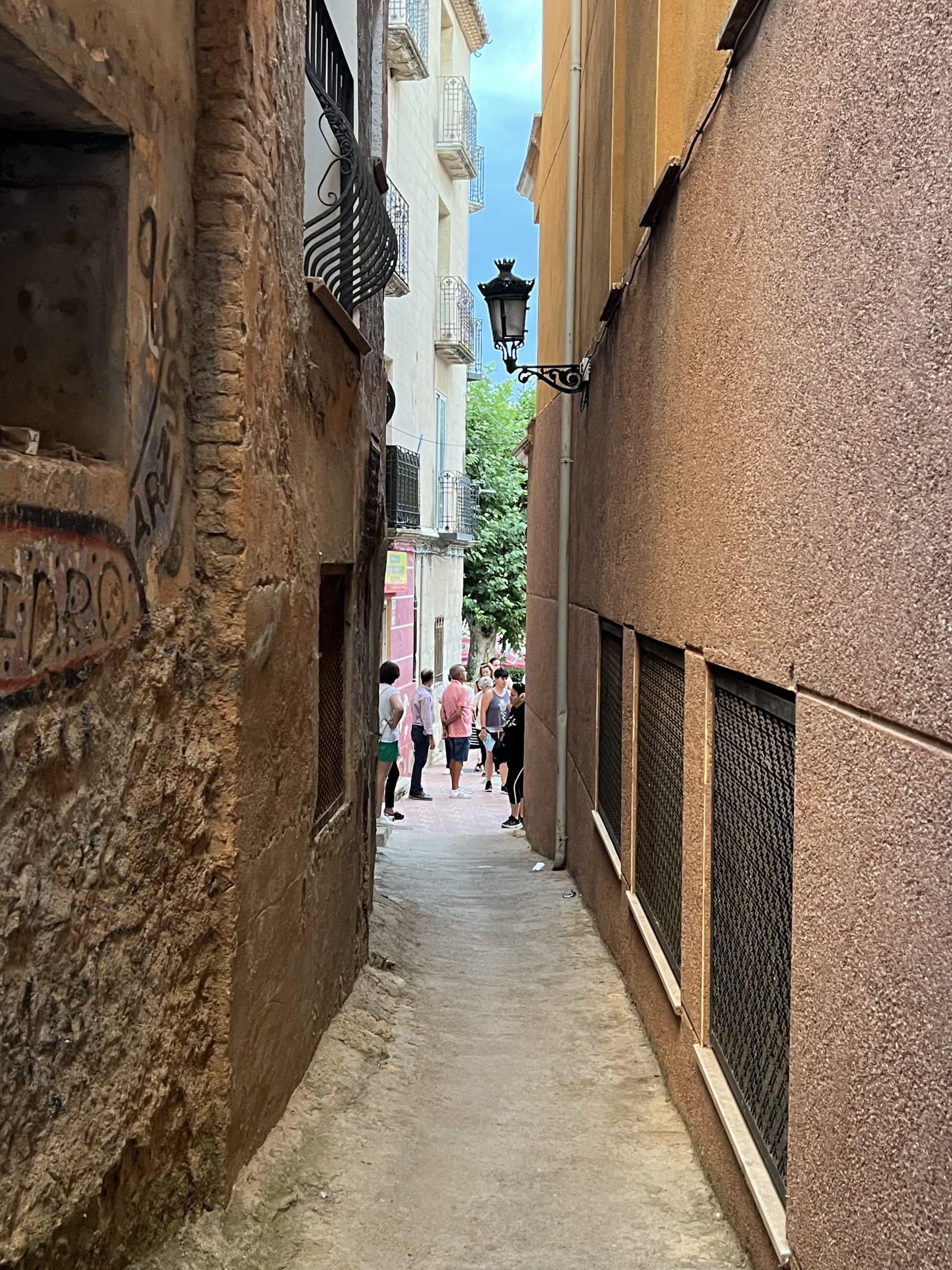
Walking through its streets we can quickly appreciate the urban framework of Islamic tradition, with narrow, dead-end streets. In addition, the Puerta de la Villa or Mudejar Arch in the Calle Mayor still stands.

It is worth stopping along the way at the Parque de la Fuente, where, surrounded by an impressive natural setting, stands the Roman dam, which serves as the foundations of the hermitage of Nuestra Señora de la Fuente, an 18th century construction that houses wall paintings attributed to Fracisco de Goya.

Territorio Mudéjar Network

The city council has been a founding partner of Territorio Mudéjar since 2023.

More information

Town Hall: 976 140 001
muel.es

DO YOU WANT TO KNOW MORE?
Tourism Calatayud Region
turismodearagon.com
Tourism Campo de Cariñena Region
campodecarinena.es

Projects Territorio Mudéjar in Muel

Monumentos | Ver el proyecto
Pedagogía | Ver el proyecto
Proyecto Mudetrad | Ver el proyecto
Mudéjar didáctico, la guía | Ver el proyecto
“Circular” Paseos en familia | Ver el proyecto

Cariñena

Cariñena 1
Belmonte-01
Monuments
THIS PROJECT PROVIDES AN UPDATED VISION OF THE MUDEJAR MONUMENTAL HERITAGE
Belmonte-3049-baja
Pedagogy
SCHOOL MATERIALS TO WORK ON CULTURAL AND NATURAL HERITAGE
mudetrad-belmonte
Mudetrad Project
A PROJECT THAT HIGHLIGHTS THE TRADITIONAL ARCHITECTURE OF BELMONTE DE GRACIÁN
cartografia-identidades-rurales
Cartography of Rural Identities
MAP OF THE TERRITORY THAT COLLECTS THE IDENTITY OF ITS INHABITANTS, HISTORY AND HERITAGE
La guía didáctica
Projects
IN TERRITORIO MUDEJAR WE ARE WORKING ON NEW PROJECTS
Cariñena 1
Cariñena 1

Heroic and Loyal

We can trace the historical past of Cariñena back to Roman times, when the place was called Cariniana. Since then, the town has been populated throughout history. As in the rest of the territory, the period of Islamic rule stands out, without which the Mudejar culture would never have been born.

During the Middle Ages, Cariñena was the scene of the War between the two Peters. Peter IV the Ceremonious, King of Aragon, ordered the old wall to be reinforced, although it did not serve to stop the troops of Peter I, King of Castile. The Torreón de las Monjas (Tower of the Nuns) stands out from the wall, a space that served as the Archive of the Community of Aldeas de Daroca until 1870.

The wall was completed by the towers of Las Santas, Calle Santiago and Las Sisas, which were demolished, as well as the tower of La Fuente, which was auctioned off.

As a testimony to its medieval past, Cariñena has a coat of arms, granted by the Aragonese king due to the resistance and loyalty of the inhabitants during that conflict.

During the modern period, Cariñena was home to a number of prominent figures who were connected with the monarchy, specifically with the House of Austria. Specifically, the visits of Philip II and Philip III to the town in the 16th century stand out.

Wine country

The link with wine in Cariñena can be traced back to the founding of the town in Roman times. The real importance of the cultivation and exploitation of vines can be found from the 18th century onwards, a time that corresponds to a demographic increase in the town. In the 19th century, everything related to wine grew strongly in Spain due to the phylloxera crisis in France.

The importance of wine in Cariñena was consolidated in 1932 with the creation of the DO, as well as with the strengthening of the cooperatives in the mid-20th century and the celebration of the Cariñena Protected Designation of Origin Harvest Festival (Festival of Tourist Interest in Aragon) since 1960. This festival has been updated over time, with the 75th anniversary celebration being the moment of creation of the guest of honour, who is in charge of lighting the Fuente de la Mora, from which wine flows.

Territorio Mudéjar Network

The city council is a founding partner of Territorio Mudéjar since 2023.

More information

Town Hall: 976 620 112

DO YOU WANT TO KNOW MORE?
Turismo de Aragón
turismodearagon.com
D.O Cariñena
elvinodelaspiedras.es

Projects Territorio Mudéjar in Cariñena

Mudetrad Project | View the project

Pozuel de Ariza

portada guia didactica
Didactic Mudejar, the guide
THE GUIDE ILLUSTRATED BY DAVID GUIRAO TO HELP YOU UNDERSTAND THE MUDEJAR STYLE
Pozuel de Ariza circular
Circular from the rural school
Family Outings
COOPERATIVE PROJECT BETWEEN RURAL DEVELOPMENT GROUPS

Border location

Pozuel de Ariza was a strategic point in the border wars between the kingdoms of Castile and Aragon. It is a town on the border between the two Autonomous Communities, even today. In fact, the castle on the border belongs to the Castile and León region and the Nuestra Señora de la Torre hermitage, the main monument in the town, is in the Aragon region.

The hermitage of Nuestra Señora de la Torre, located at the foot of the castle of Martín González (or de la Raya), was built in 1375 as a witness to the Peace of Almazán, signed between Pedro IV the Ceremonious of Aragon and Enrique II of Castile. This put an end to the continuous confrontations between Castile and Aragon, giving rise to a less hostile relationship between the incipient kingdoms. In fact, those baptised in this place enjoyed the dual status of Aragonese and Castilian.

The building we now see is not the one erected in the 14th century, but a later building, probably from the first third of the 16th century (the period from which the chancel is preserved) and which was extended in the mid-17th century.

Pozuel de Ariza was a strategic point in the border wars between the kingdoms of Castile and Aragon. It is a town on the border between the two Autonomous Communities, even today. In fact, the castle on the border belongs to the Castile and León region and the Nuestra Señora de la Torre hermitage, the main monument in the town, is in the Aragon region.

The hermitage of Nuestra Señora de la Torre, located at the foot of the castle of Martín González (or de la Raya), was built in 1375 as a witness to the Peace of Almazán, signed between Pedro IV the Ceremonious of Aragon and Enrique II of Castile. This put an end to the continuous confrontations between Castile and Aragon, giving rise to a less hostile relationship between the incipient kingdoms. In fact, those baptised in this place enjoyed the dual status of Aragonese and Castilian.

The building we now see is not the one erected in the 14th century, but a later building, probably from the first third of the 16th century (the period from which the chancel is preserved) and which was extended in the mid-17th century.

The Mudejar whip

Inside the hermitage of Nuestra Señora de la Torre we find one of the few Mudejar roofs in the whole of Aragon with a structure of moamares limes. With the same structure we find examples in other localities such as in Mesones de Isuela in the castle chapel and even in the parish church of La Seo de Zaragoza, both works built under the patronage of the archbishop Lope Fernández de Luna and related to a funerary function.

Each Mudéjar roof is named according to the structure that makes it up. Thus we find a rich variety of names, as many as there are types of structures: moamares limas, alfarjes, par y nudillo, par e hilera, artesonados, etc.

Inside the hermitage of Nuestra Señora de la Torre we find one of the few Mudejar roofs in the whole of Aragon with a structure of moamares limes. With the same structure we find examples in other localities such as in Mesones de Isuela in the castle chapel and even in the parish church of La Seo de Zaragoza, both works built under the patronage of the archbishop Lope Fernández de Luna and related to a funerary function.

Each Mudéjar roof is named according to the structure that makes it up. Thus we find a rich variety of names, as many as there are types of structures: moamares limas, alfarjes, par y nudillo, par e hilera, artesonados, etc.

Territorio Mudéjar Network

The city council has been a full member of Territorio Mudéjar since April 2023.

More information

Town Hall: 975 325 176
http://pozuel.com/

Association for the Integral Development of the Calatayud and Aranda Regions
galcar.es

VISIT POZUEL DE ARIZA
976 633 296

DO YOU WANT TO KNOW MORE?
Turismo de Aragón
turismodearagon.es
Turismo Comarca Comunidad de Calatayud
https://www.comunidadcalatayud.com/
Centro de Estudios bilbilitanos
cebilbilitanos.com

Projects Territorio Mudéjar in Pozuel de Ariza

Mudéjar didactic, the guide | See the project
Mudetrad project | See the project
“Circular” Family walks | See the project

Alpartir

CARRUSEL III
Pedagogy
SCHOOL MATERIALS TO WORK ON CULTURAL AND NATURAL HERITAGE
alpartir-mudetrad
Mudetrad Project
A PROJECT THAT HIGHLIGHTS THE TRADITIONAL ARCHITECTURE OF ALPARTIR
PÁRRAFO II
Podcast
A PODCAST THAT ENHANCES THE IMPORTANCE OF MUDEJAR ART
La guía didáctica
Didactic Mudejar, the guide
THE GUIDE ILLUSTRATED BY DAVID GUIRAO TO HELP YOU UNDERSTAND THE MUDEJAR STYLE
Alapartir-circular
Circular from the rural school
Family Outings
COOPERATIVE PROJECT BETWEEN RURAL DEVELOPMENT GROUPS

Alpartir: "The gift"

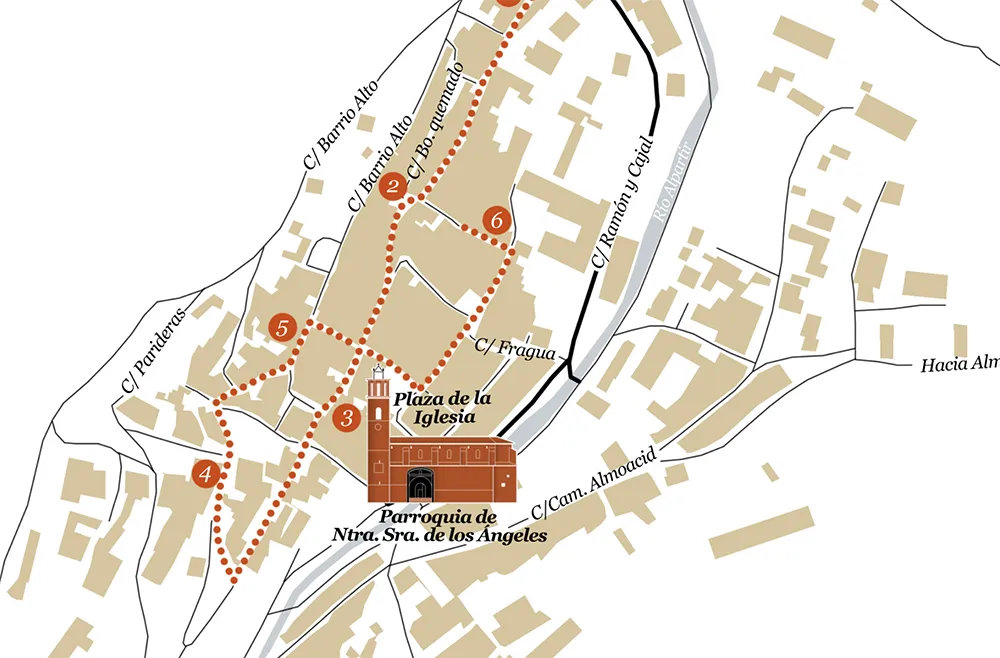
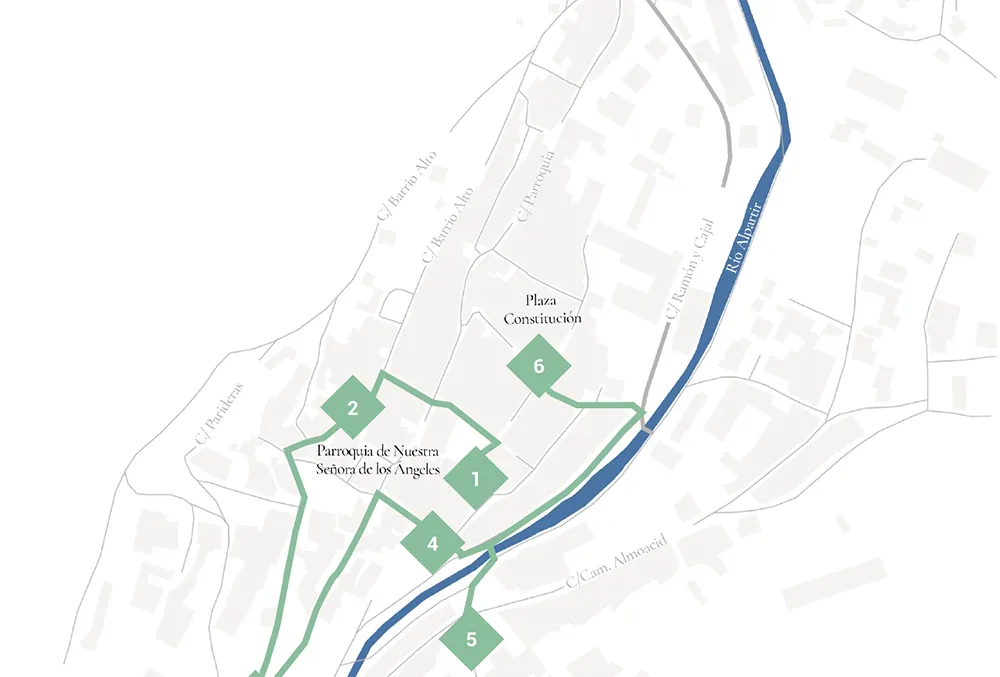
Alpartir, located a few kilometres from La Almunia de Doña Godina, is in a privileged enclave in the Sierra de Algairén. Its name, according to some research, derives from Arabic and means “the gift” or “that is near the river”, referring, in any case, to a place of great scenic beauty.

The town is named after one of the most important figures of our territory in medieval times, Fray Martín de Alpartir. Born in 1380, he was an outstanding religious historian, commander of the Order of the Holy Sepulchre and secretary to Pope Benedict XIII or “Papa Luna”.

Evidence of the importance of Alpartir in medieval times can be seen in the remains of the Hospital of the Order of St. John of Jerusalem, an ogee arch in the Plaza Constitución, as well as the ruins of the Franciscan Recollect convent of San Cristóbal, just a few kilometres from the town.

Alpartir, located a few kilometres from La Almunia de Doña Godina, is in a privileged enclave in the Sierra de Algairén. Its name, according to some research, derives from Arabic and means “the gift” or “that is near the river”, referring, in any case, to a place of great scenic beauty.

The town is named after one of the most important figures of our territory in medieval times, Fray Martín de Alpartir. Born in 1380, he was an outstanding religious historian, commander of the Order of the Holy Sepulchre and secretary to Pope Benedict XIII or “Papa Luna”.

Evidence of the importance of Alpartir in medieval times can be seen in the remains of the Hospital of the Order of St. John of Jerusalem, an ogee arch in the Plaza Constitución, as well as the ruins of the Franciscan Recollect convent of San Cristóbal, just a few kilometres from the town.

Mudejar culture

Although there are no monumental buildings, the Mudejar culture can be perceived when we walk through the streets and observe the landscape. The Islamic heritage can be seen in the construction techniques, the irrigation mechanisms and the urban layout: the houses are organised in a narrow plot defined by the sinuosity of the urban planning, favouring intimacy and discretion.

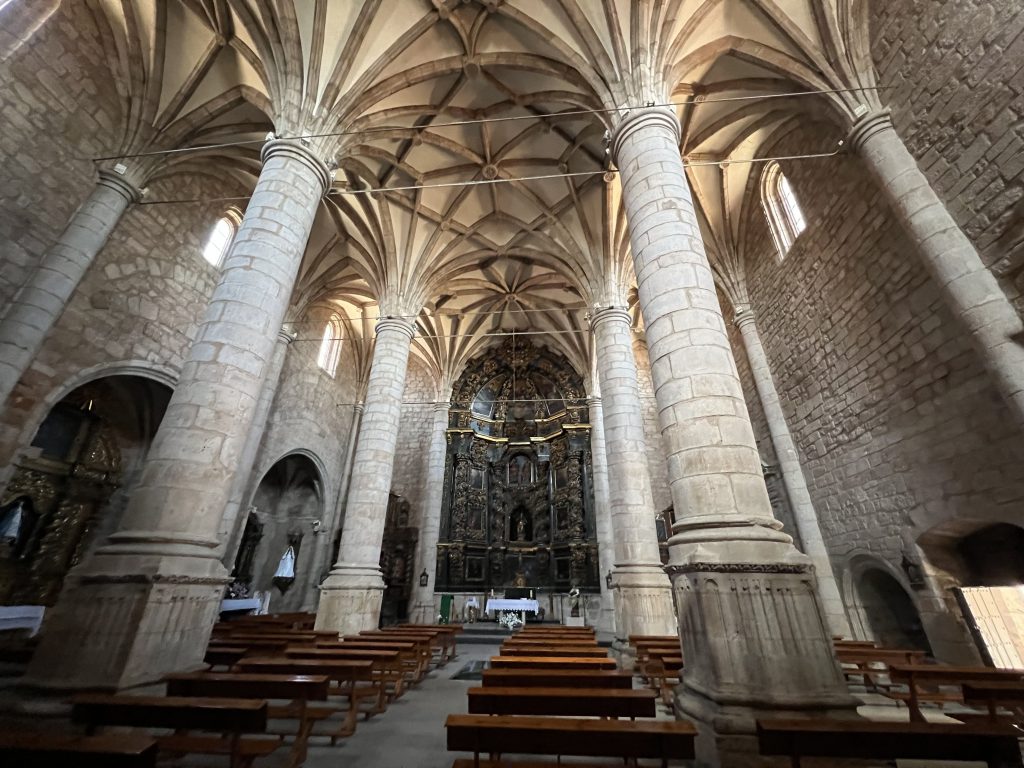
The main monument is the church of Nuestra Señora de los Ángeles, a 16th century masonry construction. Other elements of note are the pilón, a Renaissance fountain of ashlar stone with a trough, the chapels of San Clemente and the Virgen del Pilar and the chapel of the Virgen del Carmen.

Although in general the trades carried out by the Mudejar population were mainly linked to architecture, agriculture and all those actions involving the transformation and use of resources are also noteworthy. The most important products in Alpartir are oil and almonds. It is well worth visiting the town during the flowering season.

Although there are no monumental buildings, the Mudejar culture can be perceived when we walk through the streets and observe the landscape. The Islamic heritage can be seen in the construction techniques, the irrigation mechanisms and the urban layout: the houses are organised in a narrow plot defined by the sinuosity of the urban planning, favouring intimacy and discretion.

The main monument is the church of Nuestra Señora de los Ángeles, a 16th century masonry construction. Other elements of note are the pilón, a Renaissance fountain of ashlar stone with a trough, the chapels of San Clemente and the Virgen del Pilar and the chapel of the Virgen del Carmen.

Although in general the trades carried out by the Mudejar population were mainly linked to architecture, agriculture and all those actions involving the transformation and use of resources are also noteworthy. The most important products in Alpartir are oil and almonds. It is well worth visiting the town during the flowering season.

More information

Town Hall: 976 812 336
http://www.alpartir.es/

Association for the Integral Development of Valdejalón and Campo de Cariñena fedivalca.org

VISIT ALPARTIR
976 633 296

DO YOU WANT TO KNOW MORE?
Region of Valdejalón
www.valdejalon.es

Territorio Mudéjar Network

The city council has been a full member of Territ estate Territ percibible since April 2022.

Projects Territorio Mudéjar in Alpartir

Pedagogy | See project
Mudetrad project | See project
Podcast | See project
Mudéjar didactic, the guide | See project
“Circular” Family walks | See project

Calatorao

Calatorao 1
La guía didáctica
Didactic Mudejar, the guide
OUR GUIDE ILLUSTRATED BY DAVID GUIRAO CAN ACCOMPANY YOU ON YOUR JOURNEY
La guía didáctica
Projects
FROM TERRITORIO MUDEJAR WE ARE WORKING ON NEW PROJECTS
Calatorao 4
Calatorao 1

"The Earth Castle

Calatorao is located in the surroundings of the Jalón valley, a fertile place that has been populated since the beginning of time and is famous for its black stone. The remains of the Celtiberian city of Nertóbriga are thought to be in the vicinity of the town, in a place known as Puyrredondo, between present-day La Almunia de Doña Godina, Ricla and Calatorao.

Also in the vicinity of the town is the Roman road that linked the important cities of Emerita Augusta (present-day Mérida) with Caesaraugusta (present-day Zaragoza). It seems to have played a key role in the wars against Numantia between 154 and 153 BC.

However, the origins of the locality as such date back to the Islamic period, when the place was baptised with the name ofQalat-al-Turäb, which means earth castle. This name refers to the castle located on the highest point of Calatorao, from which the hillside urban fabric that has evolved up to the present day was developed.
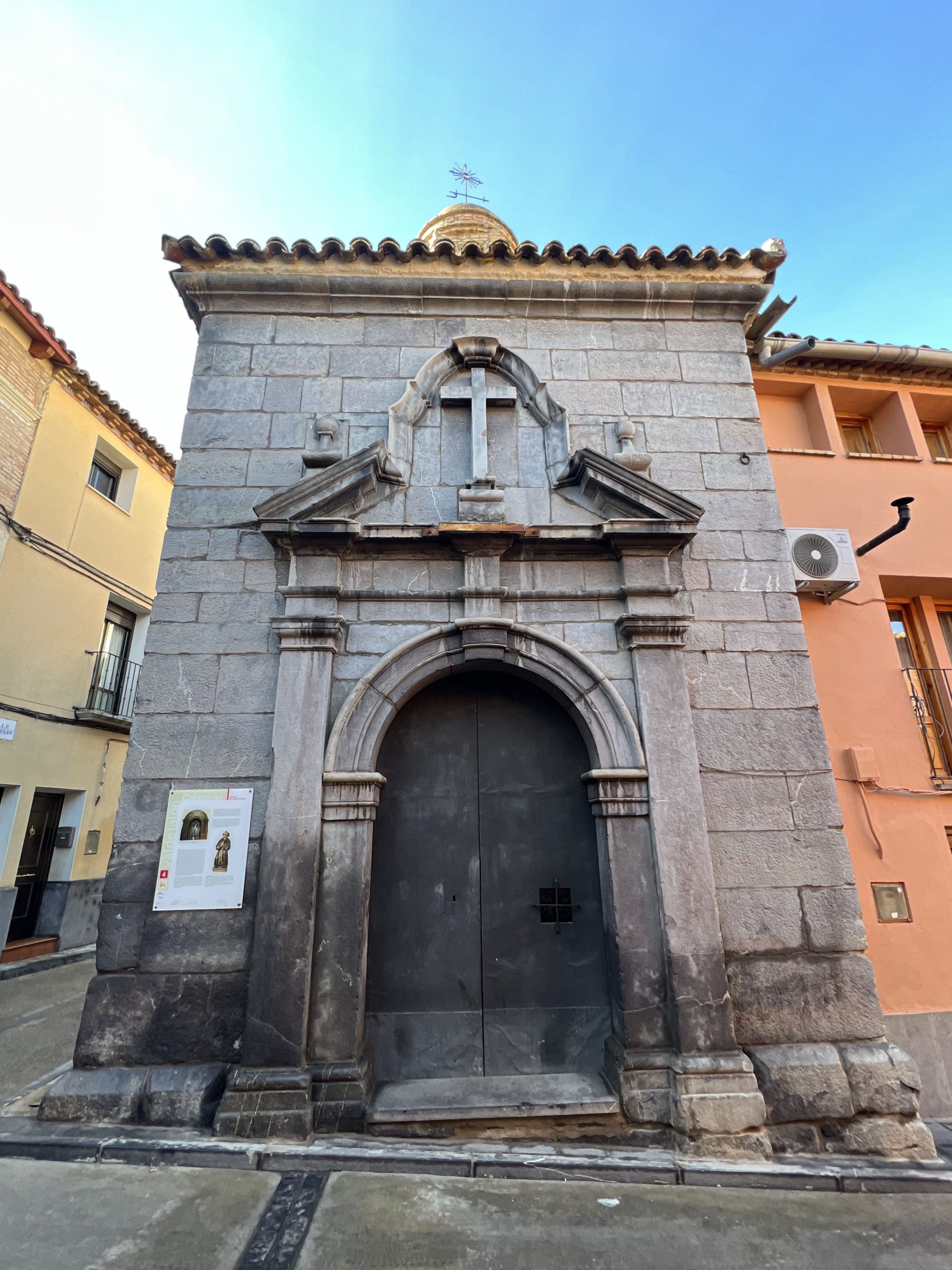
Moors and Christians

Already in the Christian period, we find in the documentation that refers to Calatorao a high number of Mudejar population in the town. Specifically, in 1350, the Mudejar population was twice as large as the Christian population: 100 Moors and 45 Christians. As a result, the 14th-15th century Mudejar aljama mosque is still preserved today. This building was located by Professor Bernabé Cabañero Subiza in 2002 in the building formerly known as the Hospital de los Peregrinos.

Other interesting elements that can be found on a stroll through the town are the parish church of San Bartolomé, a neoclassical construction from the 18th century, the group of Aragonese palatial houses from the 16th, 17th and 18th centuries or the Casino building built in 1910 and still in use.

Territorio Mudéjar Network

The city council has been a founding partner of Territorio Mudéjar since 2023.

More information

Town Hall: 976 607 111

DO YOU WANT TO KNOW MORE?
Turismo de Aragón
turismodearagon.com
Turismo comarca de Valdejalón
valdejalon.es

Proyectos Territorio Mudéjar
en Calatorao

Monumentos | Ver el proyecto
Pedagogía | Ver el proyecto
Proyecto Mudetrad | Ver el proyecto
Mudéjar didáctico, la guía | Ver el proyecto
“Circular” Paseos en familia | Ver el proyecto

Ariza

La guía didáctica
Didactic Mudejar, the guide
OUR GUIDE ILLUSTRATED BY DAVID GUIRAO CAN ACCOMPANY YOU ON YOUR JOURNEY
La guía didáctica
Projects
IN TERRITORIO MUDEJAR WE ARE WORKING ON NEW PROJECTS
ARIZA CARRUSEL 1
Pueblo de Ariza

Fariza: "Possession"

There are many remains of prehistoric settlements in the vicinity of the town of Ariza. Ten sites dating from the Late Bronze Age or 1st Iron Age stand out, where pieces of flint and handmade pottery have been found, some with coarse decorations.

In the same place there is a Roman road that linked two of the most important cities in Hispania: Emerita Augusta (today’s Mérida) and Caesaraugusta (today’s Zaragoza), although there is no evidence of Roman residential architecture in Ariza.

But it is undoubtedly the Arab period that marks the course of Ariza. The medina of Hariza or Fariza (according to some Arabists “the Possession”) must have been a major commercial centre.. Nearby nuclei must have been absorbed by it, as it represented a nucleus that was in constant growth, populated by Berber tribes. One of the reasons for this was that Abderramán III established a communication route between Medinaceli, Calatayud and Zaragoza.

The original urban layout of the town, which is based around the castle, dates from this period.

A castle of qalat typology

The remains of the castle of Ariza stand on a mountain ridge overlooking the town. They have a triangular ground plan, at the foot of which the town grew, forming the current urban centre. Its situation from the defensive point of view is unbeatable, which is why it was later used in different conflicts.

Walking through Ariza we can locate the old quarters that divided the town in the Middle Ages: the Jewish quarter and the Moorish quarter, located inside and outside the limits of the wall, of which we still have vestiges today, such as the Arco de la Villa or Arco de Castilla.

The church of St. Mary, the main monument of the town, is a perfect example of the building typology of hallenkircheor hall plant, widely used in our territory during the 16th century.

Other outstanding monuments include the old hospital, the old church of San Pedro, already documented since the 13th century, the Palacio del Marqués, a building owned by the municipality that is still in use today, and the convent of San Francisco, located on the edge of the town, a Baroque construction from the 18th century.

Another interesting element is the cellar quarter, which today has about 80 cellars still standing, although it once had more than 150. Due to the large number of them in Ariza, the “cuberos” or craftsmen who made the vats and vats in the winery itself and who were used as containers to store the wine became indispensable.

Territorio Mudéjar Network

The city council has been a founding partner of Territorio Mudéjar since 2023.

More information

Town Hall: 976 845 095

DO YOU WANT TO KNOW MORE?
Turismo de Aragón
turismodearagon.com
Turismo comarca de Calatayud
comarcacalatayud.com
Centro de Estudios Bilbilitanos
cebilbilitanos.com

Proyectos Territorio Mudéjar
en Calatorao

Monumentos | Ver el proyecto
Pedagogía | Ver el proyecto
Proyecto Mudetrad | Ver el proyecto
Mudéjar didáctico, la guía | Ver el proyecto
“Circular” Paseos en familia | Ver el proyecto