
Calatorao
Village Territorio Mudéjar
"The Earth Castle
Calatorao is located in the surroundings of the Jalón valley, a fertile place that has been populated since the beginning of time and is famous for its black stone. The remains of the Celtiberian city of Nertóbriga are thought to be in the vicinity of the town, in a place known as Puyrredondo, between present-day La Almunia de Doña Godina, Ricla and Calatorao.
Also in the vicinity of the town is the Roman road that linked the important cities of Emerita Augusta (present-day Mérida) with Caesaraugusta (present-day Zaragoza). It seems to have played a key role in the wars against Numantia between 154 and 153 BC.
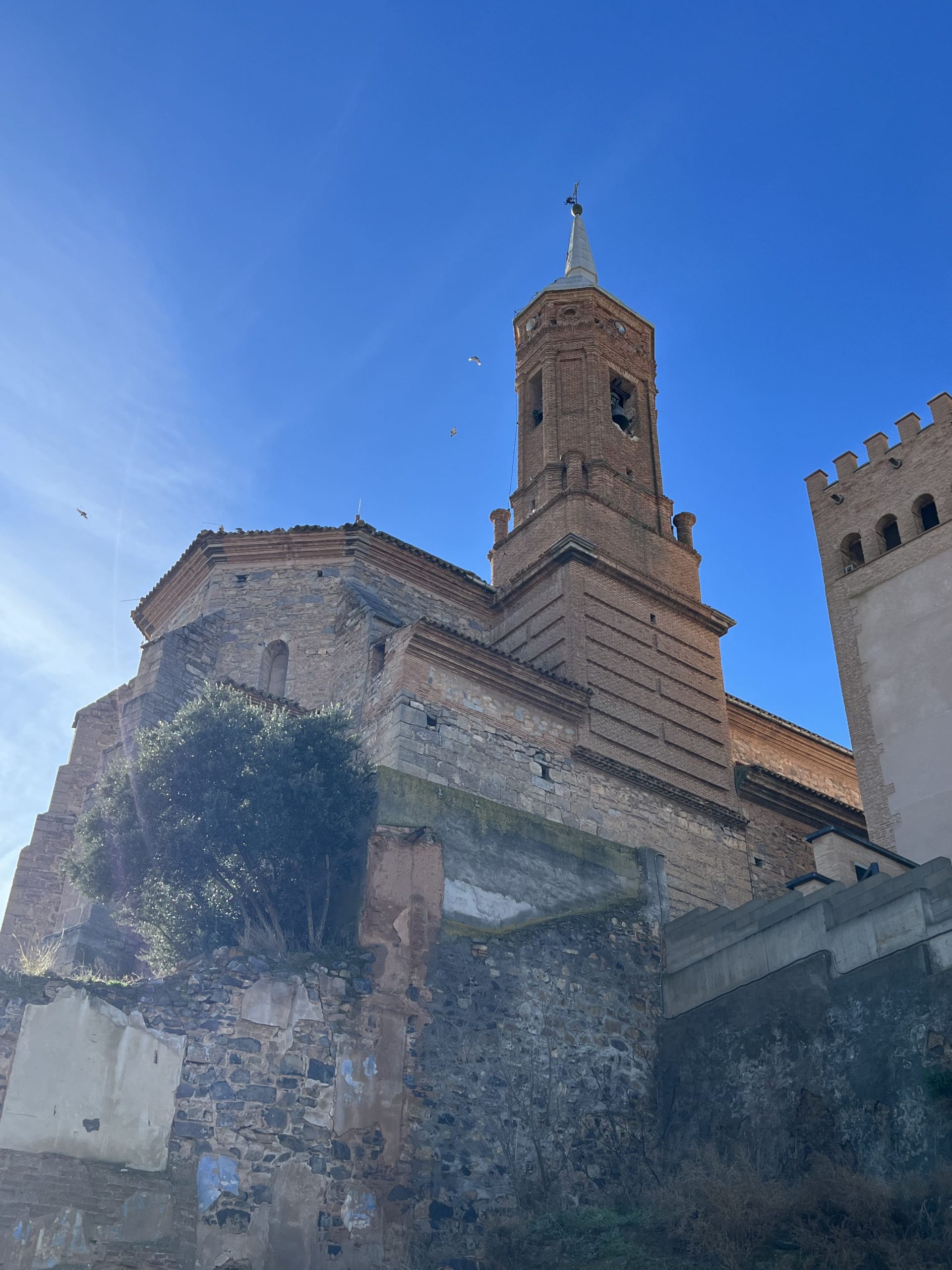
However, the origins of the locality as such date back to the Islamic period, when the place was baptised with the name ofQalat-al-Turäb, which means earth castle. This name refers to the castle located on the highest point of Calatorao, from which the hillside urban fabric that has evolved up to the present day was developed.
Projects Region Mudéjar in Calatorao
Monuments | View the project
Education | View the project
Project Mudetrad | View the project
Mudéjar educational, the guide | View the project
“Circular” Walks for the family | View the project
Projects Territorio Mudéjar en Tobed
Recognition and promotion of traditional architecture through a a series of itineraries.
More information
Town Hall: 976 607 111
DO YOU WANT TO KNOW MORE?
Turismo de Aragón
turismodearagon.com
Turismo comarca de Valdejalón
valdejalon.es
Territorio Mudéjar Network
The city council has been a founding partner of Territorio Mudéjar since 2023.
Moors and Christians
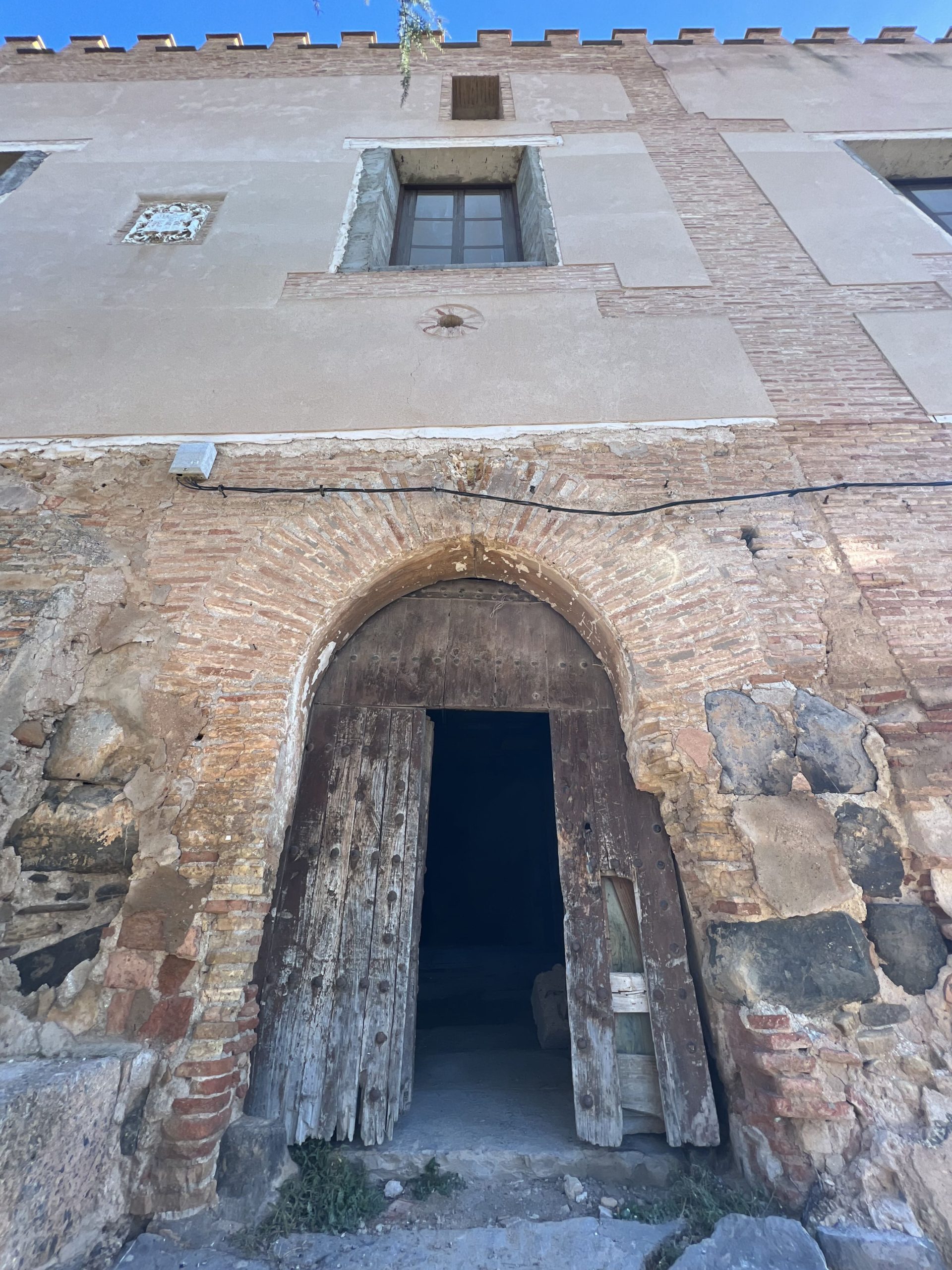
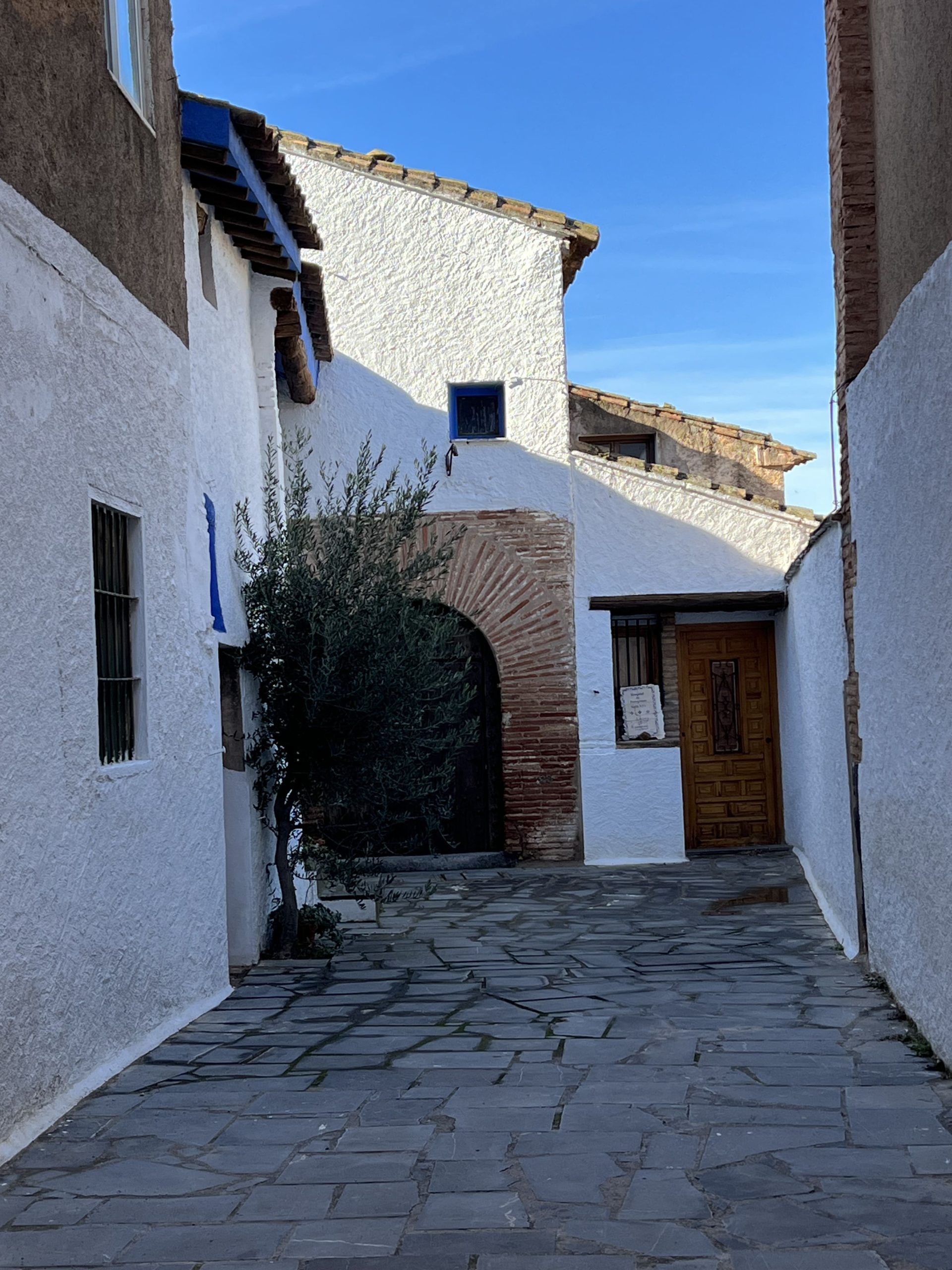
Already in the Christian period, we find in the documentation that refers to Calatorao a high number of Mudejar population in the town. Specifically, in 1350, the Mudejar population was twice as large as the Christian population: 100 Moors and 45 Christians. As a result, the 14th-15th century Mudejar aljama mosque is still preserved today. This building was located by Professor Bernabé Cabañero Subiza in 2002 in the building formerly known as the Hospital de los Peregrinos.
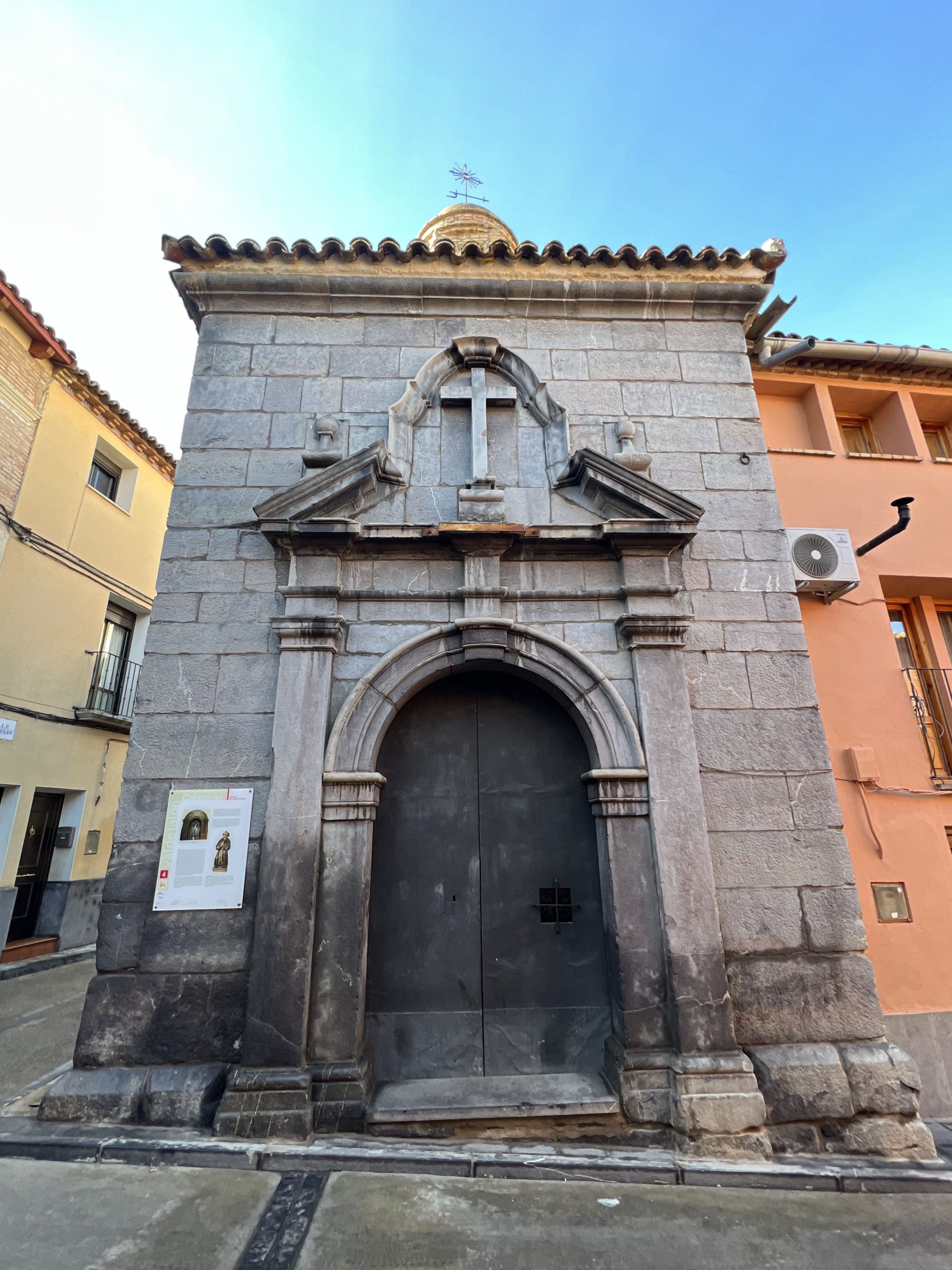
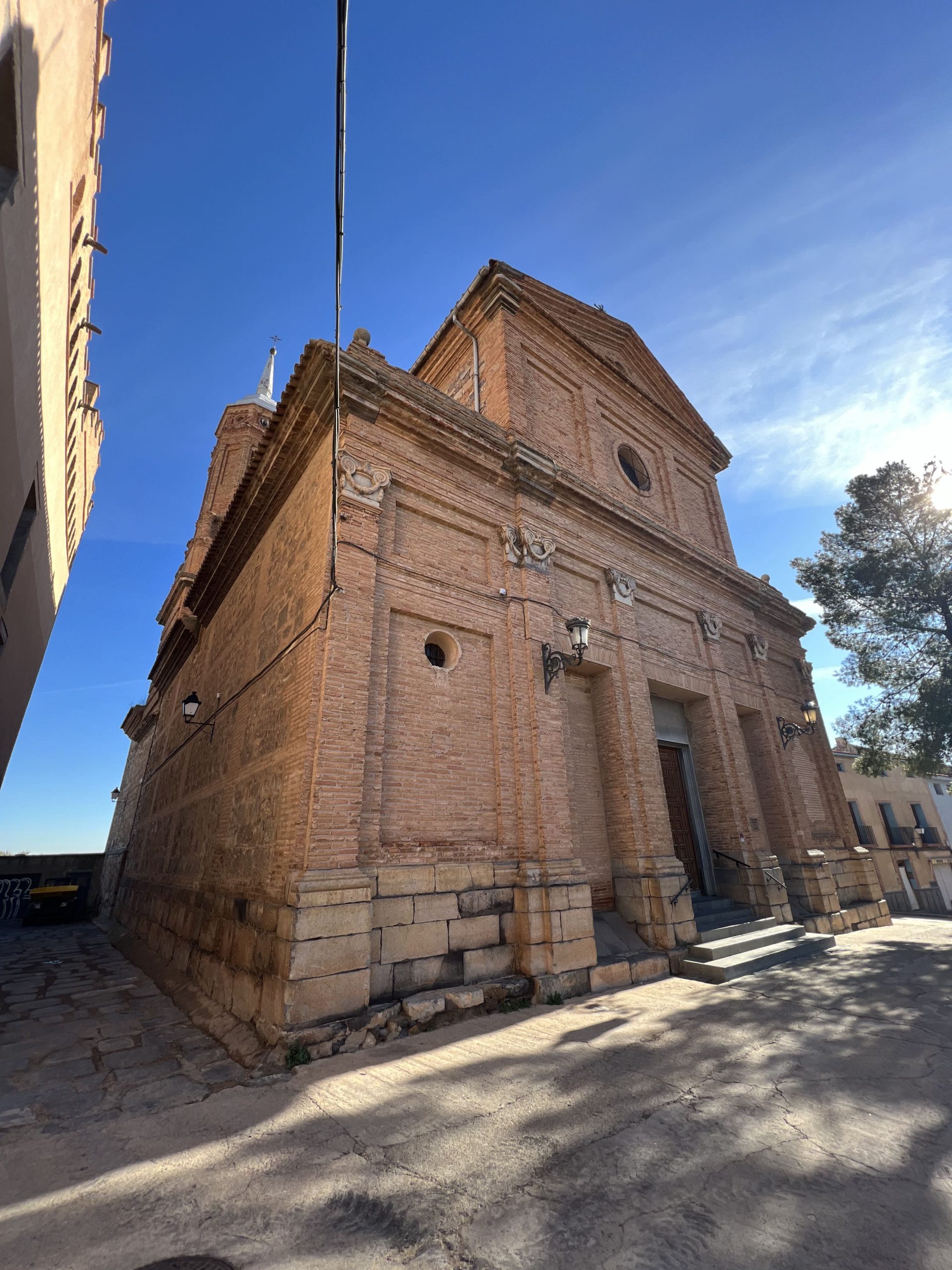
Other interesting elements that can be found on a stroll through the town are the parish church of San Bartolomé, a neoclassical construction from the 18th century, the group of Aragonese palatial houses from the 16th, 17th and 18th centuries or the Casino building built in 1910 and still in use.