We are celebrating the 25th anniversary of the extension of the designation of the Mudejar of Aragon World Heritage Site with a fantastic programme of activities: podcast, tours, educational activities and an international gathering of managers of World Heritage sites

25 aniversario Mudéjar Patrimonio Mundial

Territorio Mudéjar presents a plan for communication, outreach, training and citizen citizen which it will implement during 2026 and 2027 to raise awareness of the value of the UNESCO declaration UNESCO to the public and bring together in Aragón the professionals in the field of heritage of the sites World Heritage sites in Spain, Portugal and Andorra

This plan has been designed with co-funding from the Ministry of Culture as part of the programme for grants for projects relating to conservation, protection and promotion of sites designated World Heritage Sites 2025

UNESCO Arquitectura mudéjar de Aragón Patrimonio Mundial
Ministerio de Cultura del Gobierno de España

Territorio Mudéjar commemorates the 25th anniversary of the extension of the designation of Mudejar Architecture in Aragon as World Heritage by UNESCO with a programme World Heritage by UNESCO with a programme of actions which will be will be carried out during 2026 and 2027 and which will have as one of its main milestones will be the celebration, next month in November, of the National Meeting of Managers of World Heritage Sites World Heritage which every year is held by the Ministry of Culture. The event will bring together in Aragón leaders and experts in wealth management from the following countries Spain, Portugal and Andorra to share experiences, analyse common challenges and discuss on the future of conservation, communication and management of the properties inscribed on the List of World Heritage Sites. Furthermore, to mark this anniversary, a number of special tours have been organised, a series of podcasts and programmes for educational purposes for schools rural and adult classrooms for, among other activities.

The commemoration will serve to reinforce the social and institutional recognition of one of the cultural legacies that are most distinctive in Aragon and to highlight the work carried out by the municipalities that make up the network of Territorio Mudéjar network, consolidating its role as a national benchmark in the management, promotion and revitalisation of the World Heritage in rural areas. This was explained today at a press conference by the -manager of Territorio Mudéjar, Victoria Trasobares, and the deputy delegate for Culture of the Provincial Council of Zaragoza, Charo Lázaro.

The programme is structured through a strategic communication plan designed to strengthen cultural engagement and activation through a strategic communication plan designed to strengthen cultural engagement and activation through a strategic communication plan designed to strengthen cultural engagement and activation through a strategic communication plan and cultural engagement designed to strengthen the territorial identity linked to Mudejar culture, to increase its profile nationally and internationally and to encourage citizen involvement and institutional involvement in the preservation of its Outstanding Universal Value Exceptional. This communication plan has been designed and drafted thanks to the Grants for projects aimed at conservation, protection and promotion of sites designated World Heritage sites 2025 from the Ministry of Culture.

The first events of the commemoration get underway today with the recording live broadcast this afternoon at 7.00 pm at the headquarters of the Fundación Caja Rural de Aragón (Calle Coso, no. 29 in Zaragoza), of the first episode of a series of podcasts dedicated to Mudéjar art and to World Heritage . This new space for outreach will address key issues key issues such as the significance of the World Heritage listing, the uniqueness of the Mudejar architecture of Aragon, the role of UNESCO in the protection of heritage or the capacity to these assets to foster identity, social cohesion and impact on the territory. The launch of the project is supported by funding from the Provincial Council Provincial Council of Zaragoza, the Ministry of Culture, the collaboration of the Fundación Caja Rural de Aragón and the development in conjunction with the project Esto No Es un Museo.

The second of the measures will be the launch of a new new package of routes for Paseos with Firma, an initiative which invites you to discover the heritage Mudejar from perspectives that are innovative through a series of guided tours led by specialists. In addition to the usual World Heritage tours, there will be several special routes that delve deeper into the significance and the international significance of the UNESCO declaration in the municipalities within the network. The first of these tours will take place on Sunday 14 June to the World Heritage sites in (Cervera de la Cañada, Calatayud and Tobed) exactly when there are six months to go until the anniversary of the designation on 14 December. This is a new format for the timetable tomorrow morning schedule; those interested can come along using their own means and is subject to groups of a very small number a maximum of 15 people.

The plan has designed, in addition, a comprehensive set of measures educational and cultural mediation initiatives aimed at various audiences. In the school setting, we will once again work with the pupils from schools in rural areas from nursery through to sixth form on topics centred on Mudejar art as an identity, as well as on knowledge and understanding of World Heritage UNESCO. The new feature will be the design of teaching guides for schools and teachers which enable the introduction of the content into the various areas of knowledge of the educational projects of the various schools. To this end, in September we will begin working on a pilot project with the team of teachers from the schools in the Sierra de Algairén such as the CEIP Ramón and Cajal in Alpartir, the CEIP Sierra de Algairén de Almonacid de la Sierra and the CRA La Cepa.

The programme on teaching incorporates also various training initiatives for classrooms at adult or universities for older learners focused on knowledge and understanding of World Heritage sites. Among these the following stands out: the provision of a programme specifically designed for older people dedicated to Mudejar architecture and UNESCO World Heritage, in which the fundamental concepts such as Outstanding Universal Value will be addressed, the functioning of the List of World Heritage Sites, the Convention on World Heritage Sites of UNESCO, or the challenges currently facing the fields of conservation and management. The format may be adapted also to associations and organisations interested in incorporating it into their training programmes.

Likewise, we will continue to work on the recruitment of professionals to Territorio Mudéjar, on this occasion, the 7th call for applications for Research Stays for Research projects and Artistic Residencies Artistic Residencies, which will be launched at the end of summer in 2026, will address the possibilities for the application of the guidelines of the Convention on World Heritage in the management of innovative approaches to the heritage resources and their context of urban and cultural landscape.

One of the key moments of the programme will be the celebration in November of the National Meeting of Managers of World Heritage Sites. This annual forum is organised by the Ministry of Culture of the Government of Spain since 2007 and constitutes the main venue for professional networking for those who work in the management of heritage assets listed on the List of World Heritage sites in our country.

Its aim is to contribute to a more effective conservation of these places and to promote the creation of networks of collaboration between managers, institutions and administrations. In its various editions, it has brought together more than a hundred or so participants associated with historic sites, monuments, cultural landscapes cultural landscapes, nature parks nature parks, cultural routes cultural routes, archaeological sites archaeological sites and other sites recognised by UNESCO.

The choice of Territorio Mudéjar as venue for this edition represents a recognition of the work carried out over the last few years in the field of research, conservation, training of professionals, outreach, dissemination and management of cultural heritage in rural areas. On this occasion, the topic we are working on is the training of professionals to address the challenges of managing our heritage and, in particular, the special characteristics that are offered by the properties UNESCO in its various settings and specific circumstances which require for ongoing training that integrates knowledge and skills across the board in different areas for a management focused on the future.

The plan designed includes in addition an important strategy for communication and visibility which envisages specific actions for different profiles of audiences in media of traditional and digital communication, social networks, installation of illuminated displays featuring the identity of UNESCO World Heritage sites in key locations, publication of informative materials for visitors such as the guides to partner towns, the design of new informative media and the signage for vehicles intended for the routes and activities of promotion carried out by Territorio Mudéjar.

With this programme, Territorio Mudéjar aims to turn the celebration of this 25th anniversary into an opportunity to strengthen public awareness of Mudejar architecture in Aragon, to broaden public participation centred on the heritage and to promote internationally a model of management which positions the rural municipalities and their capacity to work in the centre of conservation and the promotion of World Heritage .

Although the UNESCO declaration refers to a specific selection of properties, the historical and landscape cultural value of the Mudéjar style is recognised in its entirety historical and landscape of the Mudejar extends extends throughout the whole of the territory of Aragon. For this reason, the commemoration of the 25th anniversary and the plan for action promoted by Territorio Mudéjar will have a global reach across the municipalities that make up the network, enhancing the visibility of its heritage, promoting new opportunities for dissemination and citizen participation and consolidating a strategy shared for the promotion of the Mudejar as an element of identity and development of the region.

World Heritage Site with UNESCO status

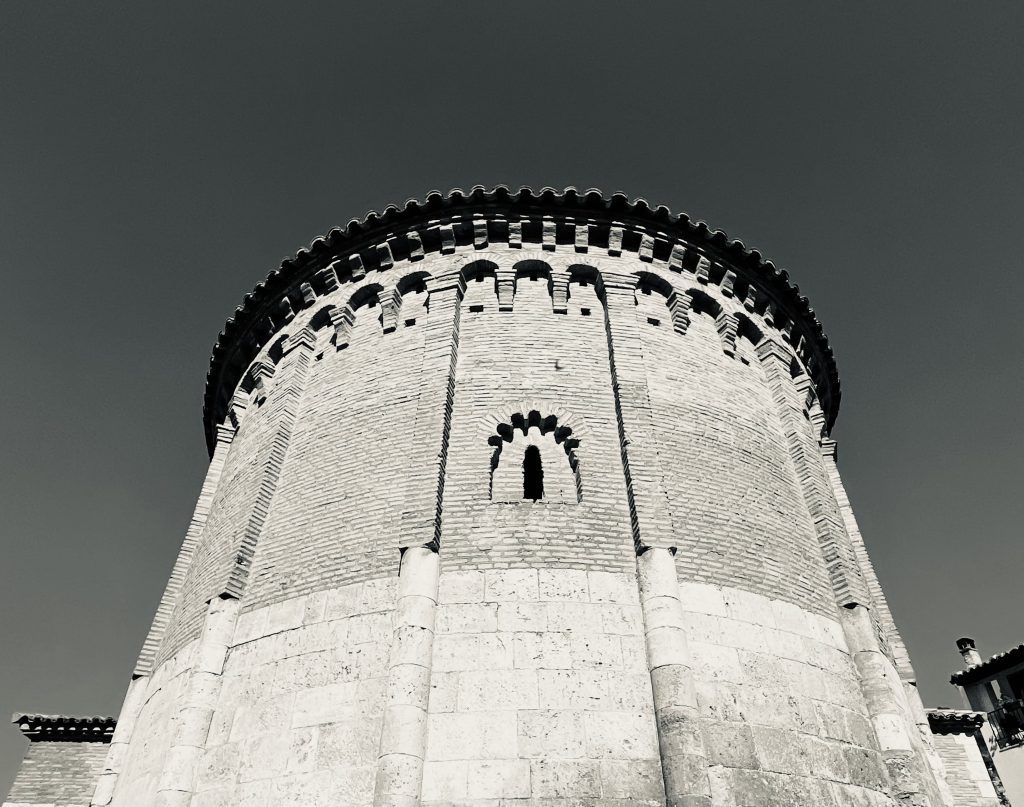
The Mudejar architecture of Aragon is inscribed on the List of World Heritage of UNESCO through a single complex of monuments located in Teruel, Zaragoza and in towns in the Mudéjar region. Since 1986, in the city of Teruel, the following form part of the list: the cathedral of Santa María de Mediavilla and the towers of San Pedro, San Martín and del Salvador. Since 2001, in Zaragoza, the extension of the listing included the palace of the Aljafería, La Seo or cathedral of El Salvador and the church of San Pablo. In the province of Zaragoza and members of Territorio Mudéjar, the properties registered are the collegiate church of Santa María la Mayor in Calatayud, the church of the Virgin of Tobed, in Tobed, and the church parish church of Cervera of La Cañada.

These buildings are some of the finest examples of the evolution of Mudejar art in Aragon and represent the extraordinary richness of a cultural heritage which has its roots in centuries of cultural exchange.

Although the UNESCO declaration recognises a specific selection of monuments, the commemoration and the plan of action promoted by TerritorioMudéjar will benefit the group of municipalities that make up the network. The measures planned will boost the visibility of Mudejar architecture throughout the region, promote new opportunities for dissemination, training and citizen participation and will consolidate a strategy shared strategy to value this legacy as an element of identity, cohesion and development of the region.

What is Mudejar?

The Mudejar style is a historical and artistic expression which is created ex novo or is adapted to new uses of the territory conquered by the Christians in the 12th century and in which the Islamic tradition persists. The continuity of the tradition Islamic or Al-Andalus may be technical-architectural, aesthetic -ornamental, or both. This persistence may stem from the activity of the Mudejar population itself or also from the Christian population whose activities are related a13> whose activity is related to that continuity. And the definition applies to heritage in its broadest possible definition: architecture, the artistic objects or movable assets associated, urban planning, the cultural landscape linked to processes of transformation of the resources, such as as all those cases included in the designation of intangible cultural heritage which may be associated with Mudejar culture. [TRASOBARES,V. 2026]

What does it mean to be a World Heritage Site?

The World Heritage is an convention of UNESCO aimed at identifying, protect and preserve cultural and natural heritage sites ofexceptional universal value for all of humanity. Its aim is to promote cooperation at the international level to preserve sites which might deteriorate or disappear due to a lack of resources.

The designation as a World Heritage Site recognises that these assets belong to the heritage of the world heritage of the world heritage of the world heritage of the world heritage of the world heritage of the world heritage of the world heritage of the properties belong to the heritage shared by all the peoples, even though they remain under the sovereignty of their countries. More than a mere recognition, it implies a commitment to ongoing protection and conservation.

Among the more than one thousand sites designated are include the Pyramids of Egypt, the Great Wall of China, the canals of Venice and the waterfalls of Iguazú. Spain is the fifth country in the world with the most sites listed, with 50 sites recognised.

Region Mudejar

Territorio Mudéjar is an association of local councils whose aim is to strengthen a unified and collaborative management network for the use of the resources historical – artistic elements linked to Mudejar heritage, regarding them as a driving force for development of the municipalities and as an element of identity for the preservation of the communities.

The partner municipalities are Acered, Almonacid de la Sierra, Alpartir, Aniñón, Ariza, Ateca, Bárboles, Belmonte de Gracián, Borja, Calatayud, Calatorao, Cariñena, Castejón de Valdejasa, Cervera de la Cañada, Cetina, Cosuenda, Daroca, Fréscano, Fuentes de Ebro, Gotor, Herrera de los Navarros, Illueca, La Almunia de Doña Godina, Longares, Magallón, Mainar, Maluenda, Mesones de Isuela, Morata de Jiloca, Muel, Pozuel de Ariza, Quinto, Ricla, Romanos, San Mateo de Gállego, Saviñán, Tarazona, Tauste, Terrer, Tobed, Torralba de Ribota, Torrellas, Torres de Berrellén, Utebo, Velilla de Ebro, Villafeliche, Villamayor de Gállego, Villanueva de Gállego, Villar de los Navarros, Villarreal de Huerva, Villarroya de la Sierra y Zuera. Además, Brea de Aragón participates as a municipality partner.

Territorio Mudéjar announces a new edition of its research stays and artistic residencies to study, raise awareness and develop projects through rural heritage.

Territorio Mudéjar is holding the sixth edition of its Gonzalo M. Borrás Gualis research stays and projects to develop innovative and sustainable proposals on cultural and natural heritage that have a direct impact on the 49 member towns and promote their visibility and awareness. Those interested can apply for three research stays for projects and one artistic residency and must submit their proposals by 31 October. This year, as a new feature, the grants are being offered in partnership with other entities, such as the parish of La Seo de Zaragoza and the Centro Integral de Desarrollo del Alabastro (Alabaster Development Centre), and with international projects, such as the European ReliHE project, linked to religious heritage in rural areas. This will enrich the study of the management and conservation of Mudejar heritage resources and amplify their impact on the territory.

Specifically, Territorio Mudéjar will award three research grants for projects, each worth a maximum of €7,500. As highlighted by Charo Lázaro, the Provincial Council of Zaragoza’s representative for Culture, these grants are awarded for projects and artistic residencies aimed at “studying, raising awareness and carrying out real projects through the heritage of our rural environment”. The aim, explained Lázaro, is to develop “innovative and sustainable proposals on cultural and natural heritage that have a direct impact on the 49 member villages of Territorio Mudéjar and promote their visibility and awareness”.

Proposals must include a physical stay in one or more partner locations, demonstrate a direct impact on at least three of them, and provide evidence of the influence of this impact on the rest of the territory. “They seek to attract networks of professionals who work directly from the locations, drawing on their life experience in the villages of Territorio Mudéjar, rather than remaining at a theoretical level,” emphasised Victoria Trasobares, director of the Territorio Mudéjar association.

The modalities that can be applied for are:

1. The uses of heritage: Study, diagnosis and pilot cases in the villages of Territorio Mudéjar. This stay is being carried out in collaboration with the European project Religious Heritage in Rural Areas (ReliHE) led by the Polytechnic University of Turin, in which Territorio Mudéjar is a stakeholder through the Provincial Council of Zaragoza as a partner in the project. The scholarship is intended to study, diagnose and propose pilot cases on the historical uses of religious heritage in Territorio Mudéjar and its current state, as well as to explore the strategic role of this heritage in rural environments. Among other things, the research will result in a methodological guide for the possible and sustainable long-term uses of these assets.

“This initiative capitalises on the exchange of experiences and best practices among the international partners participating in REliHE and opens up new avenues of work to address the urgent challenge of rethinking our rural religious heritage,” explains Irene Ruiz, coordinator of the REliHE project.

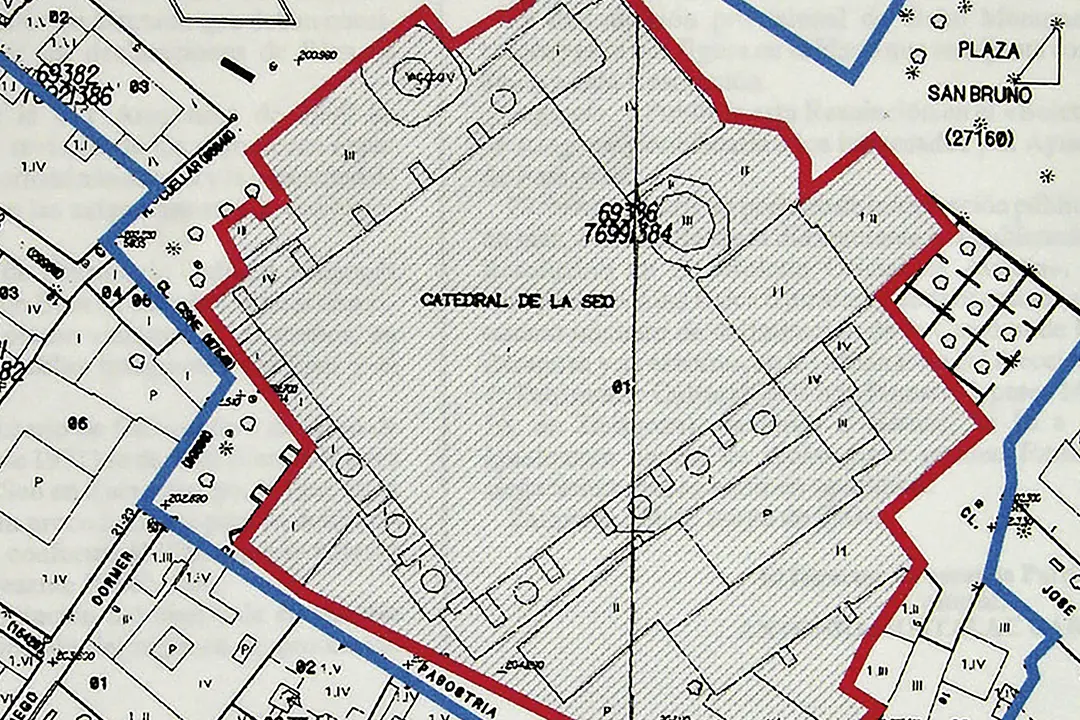
2. Models for managing monuments and their surroundings from the perspective of authenticity and preventive conservation: Study, diagnosis and case studies. In partnership with the Parish Church of La Seo, Cathedral of El Salvador in Zaragoza the scholarship will be used to develop a series of proposals for the area known as Parroquieta de La Seo, a UNESCO World Heritage Site, and at least two other buildings in the villages of Territorio Mudéjar, proposing preventive conservation measures for the selected properties and their protected surroundings, proposing actions to improve their preventive conservation, and developing pilot actions to enhance the uses of the spaces and their territorial integration. The methodology obtained from this stay should be applicable to other properties in Territorio Mudéjar. The Archbishopric of Zaragoza, to whose diocese more than half of the parishes in the villages of the Mudejar Territory belong, has been an honorary member of the association since its foundation on 13 September 2018.

“The Archbishopric of Zaragoza has a close relationship with Territorio Mudéjar, having been an honorary member since 2018. But we are also united by our work to promote heritage, especially with La Parroquieta. This stay strengthens those ties in an innovative way and will allow us to transfer the results to other monuments in the partner towns of Territorio Mudéjar,” said Daniel Granada, chapter secretary of La Seo, Cathedral of El Salvador.

3. Study of alabaster gypsum and its impact on the territory in collaboration with the Comprehensive Alabaster Development Centre (CIDA). Plaster, as a fundamental material for understanding Mudejar architecture, has been the focus of previous Territorio Mudéjar exhibitions, and now, further study is being sought through a collaboration with CIDA, based in Albalate del Arzobispo. This alliance is essential due to the location of historical and current alabaster deposits in towns within the Territorio Mudéjar area and the links with companies that extract and process the product, located in or very close to the partner towns. Among other things, this grant aims to promote a study of the possibilities of this plaster and the actual implementation of traditional kilns.

Furthermore, as Santiago Martínez, coordinator of CIDA (Comprehensive Centre for Alabaster Development), points out, this initiative “opens up new avenues of research into one of the main by-products of alabaster, alabaster gypsum, and will enable the implementation of previously unexplored research programmes on alabaster gypsum at the Comprehensive Centre for Alabaster Development”.

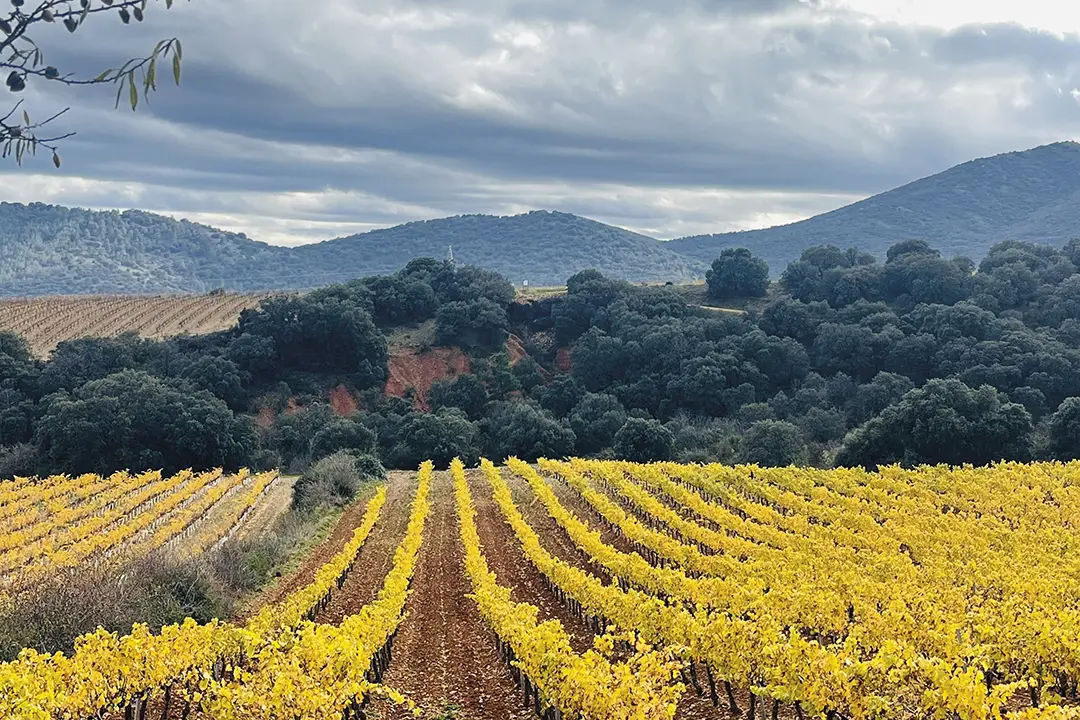
On the other hand, Territorio Mudéjar continues to strive to become a creative laboratory and is organising an artistic residency linked to the territory and cultural landscape. Specifically, it will address the wine landscape, taking advantage of Cariñena’s selection as European City of Wine in 2025 and the fact that the villages of Territorio Mudéjar belong to three designations of origin. The residency is endowed with €4,500 and proposals may be submitted until 31 October 2025.

In this regard, the mayor of Cariñena, Sergio Ortiz, emphasises that “the interaction between man and nature throughout history to create a wine industry has shaped a unique landscape that deserves to be cared for and promoted. This residence is a great opportunity for leading artists to get to know and work in our region and join forces with our bid to become a European city of wine, but above all, to promote our rich heritage”.

Applications must be sent to the Asociación Territorio Mudéjar in digital format to the email address convocatoria@territoriomudejar.es. The terms and conditions of the call for applications and further information can be found at https://www.territoriomudejar.es/estancias-de-investigacion/.

Activities and events promoting the call for applications

Schedule to be confirmed: Visits to heritage sites in the villages of the Mudéjar Territory for assessment as case studies.

17 September [10:00 a.m. – 2:30 p.m.]: Tarazona. Convent of San Joaquín Project meeting REliHE. Religious Heritage in Rural Areas . Participation alongside entities related to the project. Organised and coordinated by the Provincial Council of Zaragoza and the Tarazona Monumental Foundation.

19 September [5pm – 7pm]: Cariñena. Casa de Cultura. Closing of the exhibition Proyectos Territorio Mudéjar (Mudejar Territory Projects) and introductory watercolour workshop based on observing the landscape with artist and researcher Pilar García Verón.

25 September. [12:00 p.m. – 12:30 p.m.]. La Almunia de Doña Godina. San Juan Palace. Opening and presentation of the exhibition “Territorio Mudéjar La Guía” (Mudejar Territory La Guía). This project is the result of the 2021 residency programme coordinated by Myriam Monterde and illustrated by artist David Guirao.

30 September [10:00–11:00]. Albalate del Arzobispo Castle. Alabaster Development Centre. Presentation: Key points for applying for the call for proposals. Webinar broadcast live from a heritage site. Open to the public in person

14 October [10:00–11:00]. Location to be determined. Presentation: Key points for applying for the call for proposals. Webinar broadcast live from a heritage site. Open to the public in person

21 October [10:00–11:00]. Location to be determined. Presentation: Key points for applying for the call for proposals. Webinar broadcast live from a heritage site. Open to the public in person.

CALL FOR APPLICATIONS: Grants for Internship and projects 2025

6th Call for Applications for Grants for Internship for Projects and Artist Residencies “Gonzalo M. Borrás Gualis”

Submission deadline: Until Monday, 3rd November 2025

Territorio Mudéjar announces the SIXTH EDITION of Gonzalo M. Borrás Gualis research stays and projects aimed at directly supporting the work of researchers and project promoters who want to work on the development of villages through the responsible and sustainable use of cultural and natural heritage resources.

The projects carried out since 2019 have strengthened this initiative as one of our initiative as one of our most important lines of of our most important lines of work based on the development of actions that enhance the retention and attraction of talent, actions aimed at the construction of highly qualified professional networks networks linked to the use of historical, artistic and cultural resources , contributing to medium- and long-term territorial development.artistic and cultural resources , contributing to medium and long-term territorial development.

Territorio Mudéjar is an association of local councils, currently comprising 49 member councils, one council pending membership and one collaborating partner, whose objective is to consolidate a unified and collaborative management network for the use of historical and artistic resources linked to the important Mudejar heritage, understanding them as a driving force for the development of towns and as an element of identity for the maintenance of the communities that make up our territory.

Our action program follows strategic lines aligned with the objectives of the 2030 Agenda, whose guiding principle is that “the cultural identity of territories will contribute to sustainable social and economic development by differentiating markets and, in turn, enabling their integration into a diversified economy that can ensure their future success.”

This project is dedicated to Professor Gonzalo M. Borrás Gualis, a staunch defender of the management of Aragonese heritage, villages, and territory, as an action of the people and as an innovative field of work with a promising future.

His work exemplified with perfect coherence the possibility of combining research work of high scientific impact with a commitment to the land and its people. of high scientific impact with a commitment to the land and its people, not only favouring the knowledge, conservation and dissemination of its historical-artistic heritage, but also by modernising work processes and by proposing innovative innovation projects in which natural, cultural and heritage resources are a key element in the future of the towns.

Vista panorámica del casco urbano de Tarazona con la catedral, la torre de la Magdalena y la plaza de toros octogonal.

Transdisciplinary thinking, networking, and partnerships as tools for innovation

RESEARCH STAYS FOR PROJECTS. THE OPPORTUNITY TO FORM ALLIANCES WITH STRATEGIC ENTITIES AND PROFESSIONALS TO DEVELOP PROJECTS WITH GREATER IMPACT.

The activity, which began in 2019, has established itself as our organization’s most important strategic project, consolidating the R&D&I strategy with 29 pilot projects involving more than 40 management professionals.

The project was considered an exemplary case study by the Ministry of Culture and Sport at the World Heritage Managers Meeting held in Mérida in 2022.

It has also been considered an example of innovation and good practice in various European cooperation projects. In this regard, we should highlight our organization’s position, through the Estancias project, in the Interreg Europe program: between 2019 and 2023, as part of the MOMAr Models of Management for Singular Rural Heritage project, our project was chosen by the provincial government of Groningen and the Libau Foundation as a reference model for their Heritage Lab project, the centerpiece of their action plan. in 2024, our organization took part in the launch event for the REliHE Religious Heritage in Rural Areas project at the Polytechnic University of Turin, invited to present the project as a case study of good practices.

The long-term goal is to build an innovative structure that supports an international network designed to meet the needs of managing heritage resources located in villages.

Thus, in 2025, the association has partnerships with administrations and entities with which it shares objectives and methodology for growth: the Alliance of Cultural Landscapes and Related Sites, with management entities from fourteen UNESCO heritage sites; the Network of Medinas, within the framework of a collaboration on international projects and routes; the architecture and design department of the Polytechnic University of Turín and various other universities.

The activity, which began in 2019, has established itself as our organization’s most important strategic project, consolidating the R&D&I strategy with 29 pilot projects involving more than 40 management professionals.

The project was considered an exemplary case study by the Ministry of Culture and Sport at the World Heritage Managers Meeting held in Mérida in 2022.

It has also been considered an example of innovation and good practice in various European cooperation projects. In this regard, we should highlight our organization’s position, through the Estancias project, in the Interreg Europe program: between 2019 and 2023, as part of the MOMAr Models of Management for Singular Rural Heritage project, our project was chosen by the provincial government of Groningen and the Libau Foundation as a reference model for their Heritage Lab project, the centerpiece of their action plan. in 2024, our organization took part in the launch event for the REliHE Religious Heritage in Rural Areas project at the Polytechnic University of Turin, invited to present the project as a case study of good practices.

The long-term goal is to build an innovative structure that supports an international network designed to meet the needs of managing heritage resources located in villages.

Thus, in 2025, the association has partnerships with administrations and entities with which it shares objectives and methodology for growth: the Alliance of Cultural Landscapes and Related Sites, with management entities from fourteen UNESCO heritage sites; the Network of Medinas, within the framework of a collaboration on international projects and routes; the architecture and design department of the Polytechnic University of Turín and various other universities.

THE ARTISTIC RESIDENCY. THE PLACE WHERE IDEAS ARE BORN

Since the 2022 call for proposals, the Estancias project has incorporated a work area called the Creative Laboratory, a space within the research for projects that allowed for the exploration of Territorio Mudéjar as a place of action and creativity, dissolving the boundaries between areas of knowledge, which were orderly and differentiated, and often led us to places that were complex to manage.

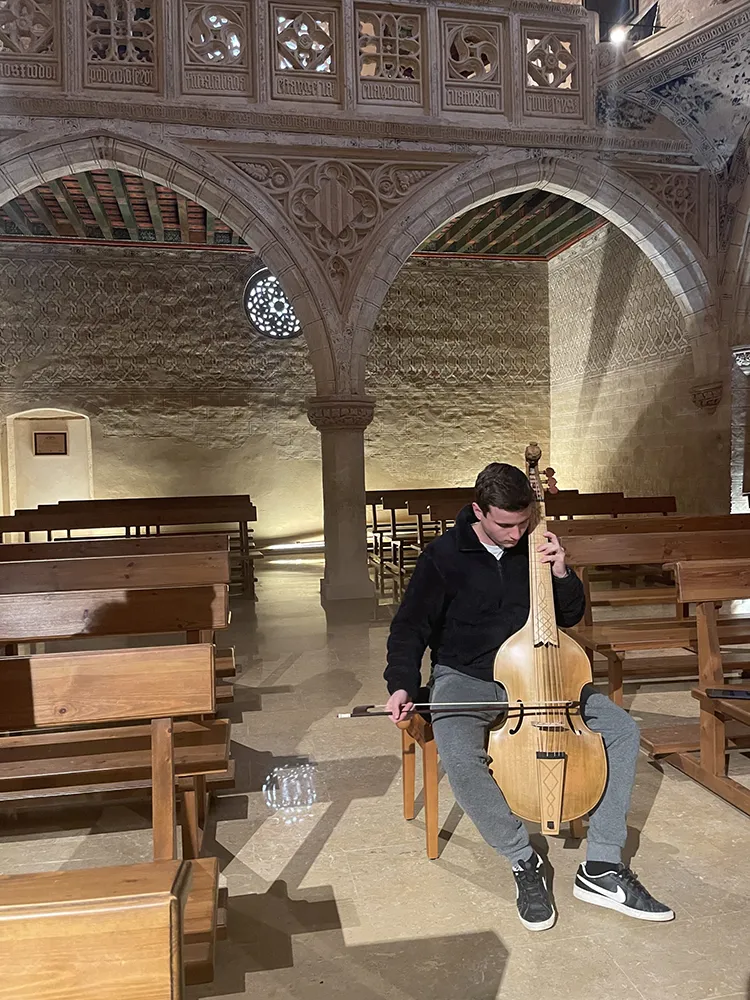
This workspace allowed us to work on the concept of “artistic residency” with the aim of understanding the heritage space and the context in which it is located as a multifaceted space, promoting artistic creation projects with a strong connection to the territory, the landscape, and/or the heritage space.

Following the success of the first call for artistic residencies, this area continues to focus on research, experimentation, exchange, learning, critical reflection, and the dissemination of local practices and knowledge through dialogue between artistic research, communities, the territory, places, and non-places.

The aim is to encourage the opening up of new processes and directions of knowledge in order to explore new paths; to foster creative thinking by generating spaces for dialogue and starting points between art, science, and technology from an artistic perspective, with a view to the development and maintenance of communities and their inhabitants.

To improve the monitoring and support process for the selected residency, this second call for applications focuses on working with the concept of Cultural Landscape, in support of the designation of Cariñena as European Wine City 2025.

CONSULT:

Image: Courtesy of the artist-researcher ©ChemaAgustín Riglorámico Project

Since the 2022 call for proposals, the Estancias project has incorporated a work area called the Creative Laboratory, a space within the research for projects that allowed for the exploration of Territorio Mudéjar as a place of action and creativity, dissolving the boundaries between areas of knowledge, which were orderly and differentiated, and often led us to places that were complex to manage.

This workspace allowed us to work on the concept of “artistic residency” with the aim of understanding the heritage space and the context in which it is located as a multifaceted space, promoting artistic creation projects with a strong connection to the territory, the landscape, and/or the heritage space.

Following the success of the first call for artistic residencies, this area continues to focus on research, experimentation, exchange, learning, critical reflection, and the dissemination of local practices and knowledge through dialogue between artistic research, communities, the territory, places, and non-places.

The aim is to encourage the opening up of new processes and directions of knowledge in order to explore new paths; to foster creative thinking by generating spaces for dialogue and starting points between art, science, and technology from an artistic perspective, with a view to the development and maintenance of communities and their inhabitants.

To improve the monitoring and support process for the selected residency, this second call for applications focuses on working with the concept of Cultural Landscape, in support of the designation of Cariñena as European Wine City 2025.

CONSULT:

Image: Courtesy of the artist-researcher ©ChemaAgustín Riglorámico Project

DIGITALISATION = STRATEGIC TOOL

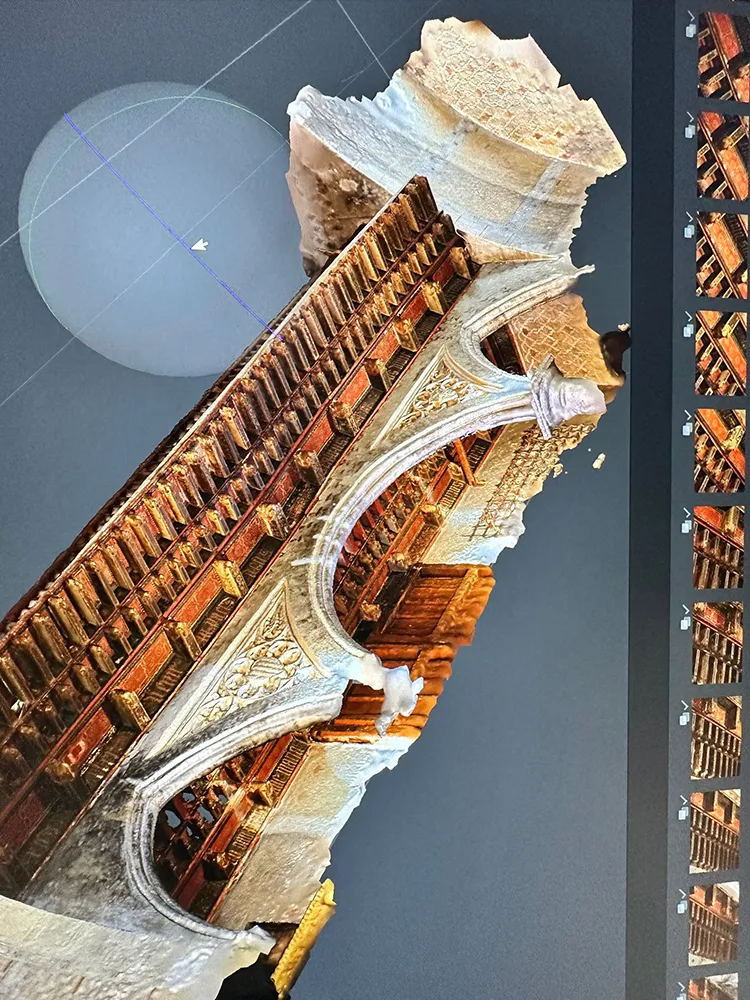
The management of historical, artistic and cultural heritage is evolving rapidly thanks to digital technologies. The challenge now is to apply a strategic vision to these processes and the unprecedented opportunities offered by new technologies, and to use them in the most and the unprecedented opportunities offered by new technologies and to use them in the most efficient way possible, ensuring that the efforts efficient way possible , ensuring that the efforts made at this time of “boom ” have a long “boom” are sustainable over time and allow for the development of future projects.

Therefore, one of the criteria being continued this year is that all deliverables in a digital version (photographs, photographs, videos, etc.) must year is that all deliverable products in digital version (photographs, videos, digital models, audio files, etc.) must be videos, digital models, audio files, etc.) comply with the study Study on quality in 3D digitisation of tangible cultural heritage: mapping parameters, formats, standards, benchmarks, methodologies, and guidelines published in 2022 and follow the lines of work indicated in the recommendation of 10/11/2021 on a common European data space for cultural heritage , thus adapting the quality criteria in this way quality criteria established in the in the Digitalisation Strategy of Territorio Mudéjar.

This strategy is in line with the latest recommendations of the European Commission and also takes into account, the standards of the most commonly used platforms and repositories such as Europeana and such as Europeana or Google Arts.

The aim of Territorio Mudéjar is for all projects to have a digital focus that allows for the implementation of adapted transfer channels. To this end, all beneficiaries of the aid will receive information and training on the Territorio Mudéjar Digitalization Strategy during the first phase of their project and will be monitored continuously throughout its development to help them comply with it.

The management of historical, artistic and cultural heritage is evolving rapidly thanks to digital technologies. The challenge now is to apply a strategic vision to these processes and the unprecedented opportunities offered by new technologies, and to use them in the most and the unprecedented opportunities offered by new technologies and to use them in the most efficient way possible, ensuring that the efforts efficient way possible , ensuring that the efforts made at this time of “boom ” have a long “boom” are sustainable over time and allow for the development of future projects.

Therefore, one of the criteria being continued this year is that all deliverables in a digital version (photographs, photographs, videos, etc.) must year is that all deliverable products in digital version (photographs, videos, digital models, audio files, etc.) must be videos, digital models, audio files, etc.) comply with the study Study on quality in 3D digitisation of tangible cultural heritage: mapping parameters, formats, standards, benchmarks, methodologies, and guidelines published in 2022 and follow the lines of work indicated in the recommendation of 10/11/2021 on a common European data space for cultural heritage , thus adapting the quality criteria in this way quality criteria established in the in the Digitalisation Strategy of Territorio Mudéjar.

This strategy is in line with the latest recommendations of the European Commission and also takes into account, the standards of the most commonly used platforms and repositories such as Europeana and such as Europeana or Google Arts.

The aim of Territorio Mudéjar is for all projects to have a digital focus that allows for the implementation of adapted transfer channels. To this end, all beneficiaries of the aid will receive information and training on the Territorio Mudéjar Digitalization Strategy during the first phase of their project and will be monitored continuously throughout its development to help them comply with it.

Terms and conditions of calls for applications

Research for projects: modality 1

THE USES OF HERITAGE IN THE VILLAGES OF THE MUDÉJAR TERRITORY

AMOUNT: €7,500

DURATION OF THE SCHOLARSHIP: Between 4 and 7 months.

CONTEXT: Interreg Europe Project. REliHE Religious heritage in rural areas.

COMMENTS: The proposal must include a minimum justified stay in two member towns of Territorio Mudéjar. It will be evaluated based on the project submitted.

Research and projects: modality 2

MODELS FOR MANAGING THE MONUMENT AND ITS PROTECTED ENVIRONMENT FROM THE PERSPECTIVE OF AUTHENTICITY AND PREVENTIVE CONSERVATION

AMOUNT: €7,500

DURATION OF THE SCHOLARSHIP: Between 4 and 7 months.

CONTEXT: Collaboration with the parish of La Seo in Zaragoza. The Archbishopric of Zaragoza has been an honorary member of Territorio Mudéjar since 2018.

COMMENTS: The proposal must include a justified minimum stay in at least two member towns of Territorio Mudéjar and work with a minimum of three monuments. It will be evaluated based on the project submitted.

Research and projects: modality 3

STUDY OF ALABASTER PLASTER AND ITS IMPACT ON THE TERRITORY: INNOVATION AND QUALITY FROM ITS HISTORICAL STUDY

AMOUNT: €7,500

DURATION OF THE SCHOLARSHIP: Between 4 and 7 months.

CONTEXT: Collaboration with CIDA, the Alabaster Development Center.

COMMENTS: The proposal must include a justified minimum stay in at least four member locations of Territorio Mudéjar and CIDA. In addition, work must be carried out on at least two monuments and two landscapes. It will be evaluated based on the project submitted.

Artistic residencies

CULTURAL LANDSCAPE: ARTISTIC STUDY OF THE WINE LANDSCAPE

AMOUNT: €4,500

DURATION OF THE SCHOLARSHIP: Between 4 and 7 months.

CONTEXT: Cariñena European City of Wine 2025.

COMMENTS: The proposal must include a justified minimum stay in Cariñena and in at least two member towns of Territorio Mudéjar. It will be evaluated based on the project submitted.

Activities and promotional events related to the call for applications

If you are interested, please contact us at: convocatoria@territoriomudejar.es

Schedule to be determined

Visits to heritage sites in the towns of the Mudéjar Territory for evaluation as case studies.

September 30 [10:00 am - 11:00 a.m]

Albalate del Arzobispo Castle. Integral Center for Alabaster Development.


Webinar: Key points for applying for the call for proposals.

Open to the public in person

7 October - Webinar 2 from La Seo Parish Church (Zaragoza)

La SEO parakeet (Zaragoza)


Webinar 2

For in-person assistance and technical visits, prior registration and allocation of places will be mandatory.

14 October - Webinar 3 from Ariza

Webinar 3

Zoom meeting

21 October - Webinar 4 from Maluenda

Webinar 4

Zoom meeting

27 October – Webinar 5 from Tobed

Webinar 4

Final doubts. From the headquarters of Territorio Mudéjar in Tobed

The exhibition “Light in Mudejar Art. The Wall as Skin” will be open to visitors in Cariñena until 19 September.

Territorio Mudéjar continues to support its partner towns in organising the most cultural and heritage-related aspects of their festivals. To kick off the year, the town council of Cariñena has included the temporary exhibition ‘Projects and Researchers: Pilar García Verón’ in its programme of festivities for Santo Cristo 2025. The exhibition analyses the research carried out since 2023 and showcases the most artistic results.

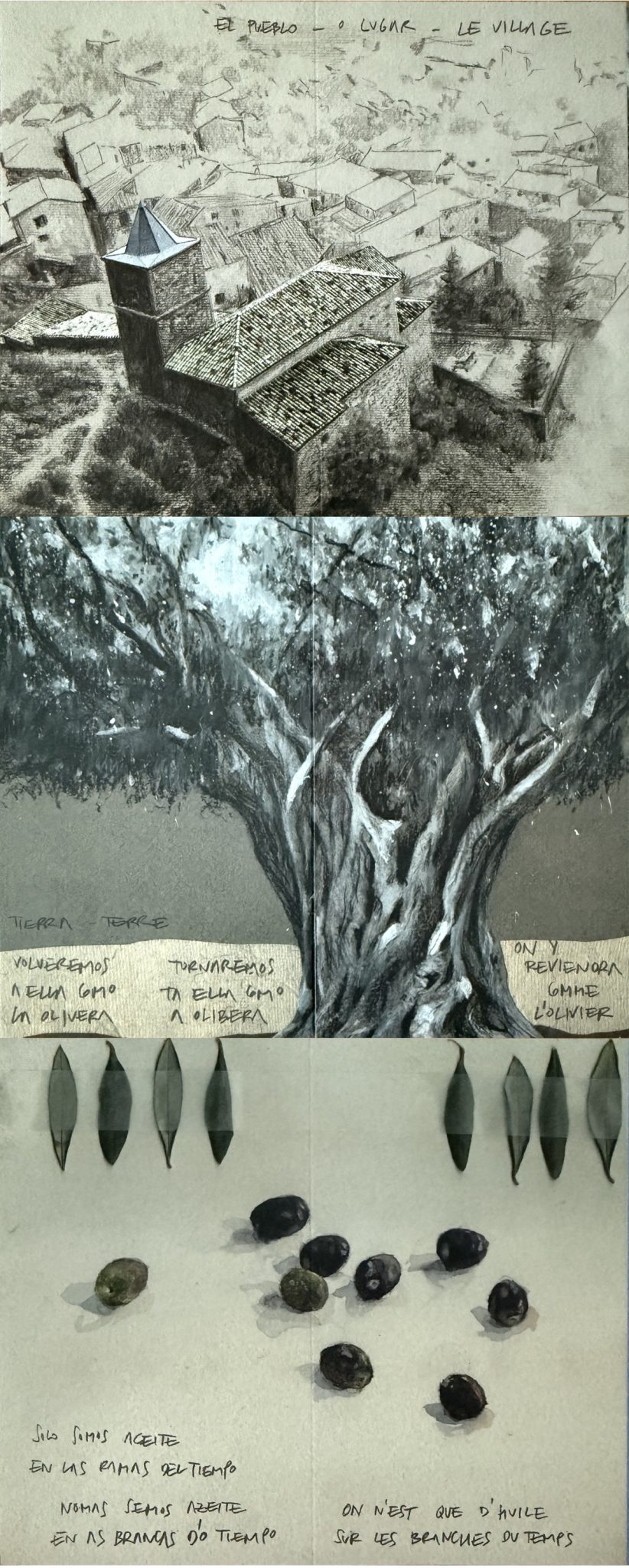
“The wall as skin: Light in Mudejar architecture” is an artistic research project that uses workbooks, materials, watercolours, collages and many other techniques to visually explain how light is used in Mudejar buildings to create space and sensations.

The exhibition features two display tables with artistic objects, canvases, materials and posters detailing various projects by the researcher. The display tables offer a preview of part of the new catalogue of project exhibitions that the Territorio Mudéjar network will be taking to its various partner locations over the coming months.

The exhibition has been set up in the exhibition hall of the Casa de Cultura in Cariñena and can be visited from Friday 12 September to Friday 19 September, every day from 7pm to 8.30pm.

The exhibition will close on Friday, 19 September, with a workshop on rapid watercolour painting, landscape and earth, given by artist and researcher Pilar García Verón.

We invite you to try watercolour painting. Attendance is free of charge, includes materials and is subject to space availability. It is designed for anyone who wants to experiment with their gaze, paint, brushes and materials. Just come along on Friday 19 September at 5pm and we will show you how we study Mudejar heritage through artistic observation.

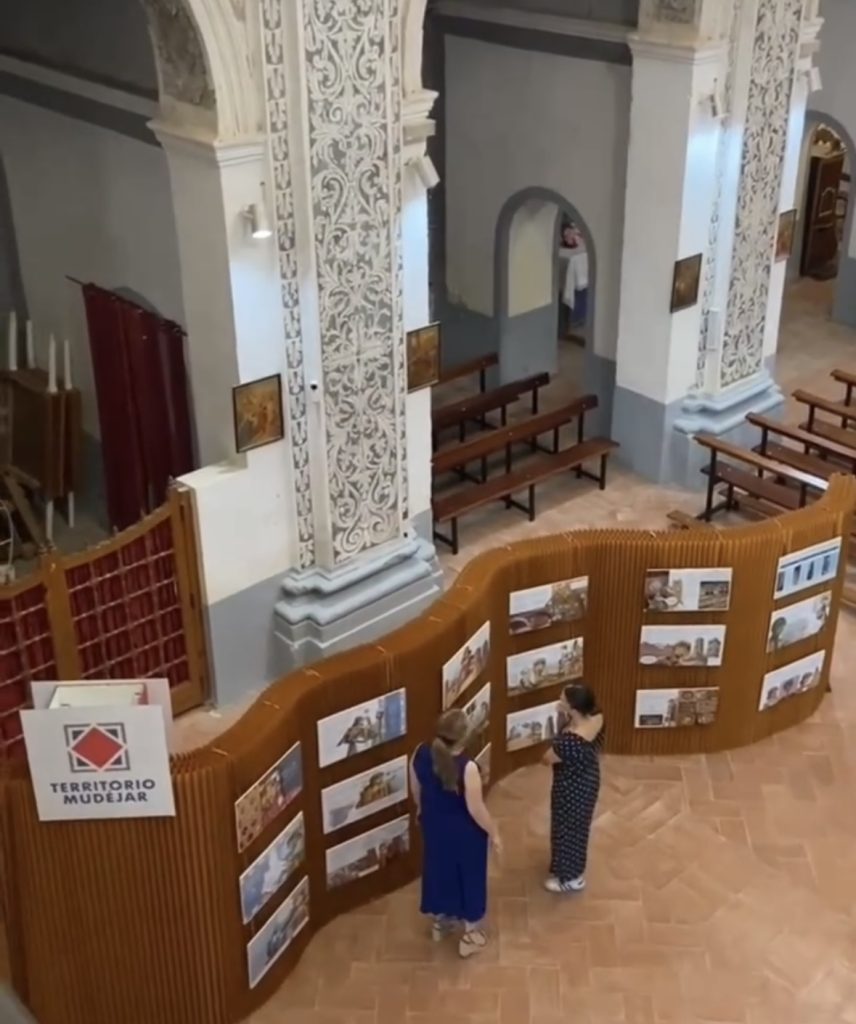
The exhibition “Mudéjar, the guide” continues to tour our region: Villarreal de Huerva, Terrer and Villafeliche.

Summer is a time for visiting villages and a great opportunity to learn about their heritage and the work we do at Territorio Mudéjar. That is why the exhibition “Mudéjar, the guide” has continued touring our region over the past few weeks, stopping off at Villarreal de Huerva, Terrer and Villafeliche.

In Villarreal de Huerva, our internship team also visited the church of San Miguel Arcángel, located within an old fortified enclosure and which preserves a 15th-century Mudejar tower, the remains of an earlier construction. They also saw the remains of the castle that surrounds it and the chapel of the Virgen del Rosario. In Terrer, our interns welcomed visitors and answered their questions over the weekend. And in Villafeliche, they gave a presentation to the public in the parish church, where the exhibition was installed.

Extraordinary Call: Sustainability Plan Daroca

SELECTION OF A PROFESSIONAL ASSISTANT TO PROJECT MANAGEMENT.

Advice, consultation, monitoring and scientific support in the management of historical-artistic heritage for the development of the Tourism Sustainability Plan for the city of Daroca.

Deadline for submission: Until August 31, 2023. [Until 3:00 p.m.]

Territorio Mudéjar is an association of municipalities, currently forty-seven member municipalities and one collaborating partner, whose objective is to strengthen a unified and collaborative management network for the use of historical and artistic resources linked to the important Mudejar heritage, understanding them as an engine for the development of the towns and as an element of identity for the maintenance of the communities that make up our territory.

Our programme of actions for the coming years has been designed in accordance with the strategic lines defined by the defined by the ” Roadmap of the Council of the European Union 2019- 2022″, which2022″ which, aligned with the goals of the 2030 Agenda, have as a guiding principle that “the cultural identity of territories will contribute to territories will contribute to sustainable social and economic development by differentiating markets and in turn allowing their integration into a diversified a diversified economy that can ensure their future success.

The CITY COUNCIL OF DAROCA has been a founding member of the Territorio Mudéjar Association since 2018, ratified in a founding assembly on September 13, 2018.

According to the statutes approved in assembly on September 13, 2018, some of the actions for the partner municipalities go through:

  • To assist in the management and search for funding for projects that allow for the conservation, restoration, maintenance and dissemination of the assets, in all their extension, […]
  • To promote and collaborate with the Administration in the tasks of a social nature that facilitate the maintenance and increase of the population members of the association, and which are mentioned in Chapter I Article 4, as well as the rest of the figures attached to the association, assuming training and employment programs.
  • Drafting and updating public or private endogenous and sustainable development plans and programmes.
  • Encourage collaboration with entities of the same nature or purpose.

According to art.7 of the Statutes approved in assembly on September 13, 2018, the development of the purposes may be carried out “through contracts, concerts or agreements entered into with public or private entities, either to carry out programs of such entities, or to develop the association’s own duly approved action programs”.

"Plan of Sustainability and Tourist Modernization of the City Council of Daroca. Facilitating access to Heritage from accessibility".

The municipality of Daroca participated in the extraordinary call for Territorial Plans of Tourism Sustainability in Destination, hereinafter PSTD, in the call for the year 2021.

The project was approved by the Secretary of State for Tourism of the Ministry of Industry, Trade and Tourism and the Department of Industry, Competitiveness and Business Development of the Government of Aragon on October 17, 2022.

The approved project is defined through projects and actions focused on:

* The adequacy of the walled enclosure. Daroca has almost 4 kilometers of walls that make it one of the most extensive walled enclosures in Spain that requires urgent intervention for its conservation. The intervention consists of the restoration in 3 years of the sections with greater visual impact of the tourist.

* The adequacy of the area of the Castillo Mayor. Although the Torre del Homenaje has already been consolidated, it is necessary to continue with the intervention in the rest of the castle to ensure its conservation and attractiveness for tourists. Both in the access areas, as in the consolidation of the wall of the enclosure.

* The adequacy of roads and trails that allow access and visit both castle, walls and other existing monuments (towers, La Mina, green areas, etc.). Although there is already a path, it is necessary to have funds for its adaptation and maintenance. In addition, the municipality’s green areas will be adapted and new ones will be proposed.

* The decoration of facades within the LIENZOS DE HISTORIA project, also known as Muralea. The proposal allows highlighting the historical diversity and historical cultural fusion of Christian, Muslim and Jewish cultures. The project, recently launched, will be continued over the next three years, expanding the areas of action.

* The adequacy and rehabilitation of streets with the burying of wiring. The street network needs to be improved and rehabilitated together with the burying of cables that have a great visual impact on the urban landscape.

DAROCA. MONUMENTAL HISTORICAL SITE.

A large part of the actions approved in the sustainability plan affect the Historic-Artistic Site of Cultural Interest of the city of Daroca, declared in accordance with Decree 1450/1968 of June 6 and published in BOE No. 158 of July 2, 1968.

And in addition to the aforementioned declaration, the actions affect assets of different nature included, among others, in the Order of April 17, 2006, of the Department of Education, Culture and Sports, which approves the list of Castles and their location, considered Assets of Cultural Interest under the provisions of the second additional provision of Law 3/1999, of March 10, of the Aragonese Cultural Heritage, for the Daroca fortified enclosureDecree 267/2002, of July 23, 2002, of the Government of Aragón, declaring the “La Mina” of Daroca (Zaragoza) an Asset of Cultural Interest, in the category of Monument; Decree 572/1963, of March 14, 2003, second additional provision of the law.

As well as the assets included in the catalogs of architectural heritage and archaeological heritage of the PGOU of Daroca. The catalog of architectural heritage includes 31 properties that require integral protection, 35 that require structural protection and 143 that require environmental protection.

DAROCA. SPECIAL AGREEMENT MUDEJAR TERRITORY PARTNERS

The CITY COUNCIL OF DAROCA has been a founding member of the Territorio Mudéjar Association since 2018, ratified in a founding assembly on September 13, 2018.

The MUDÉJAR TERRITORY ASSOCIATION has been working since its foundation in 2018 on the creation of specific advisory structures for the partner municipalities, currently 47 partners and 1 collaborating municipality, whose objective is to strengthen a unified and collaborative management network for the use of historical-artistic resources linked to the important heritage of the villages and understanding them as an engine for the development of the villages and as an element of identity for the maintenance of the communities that make up our territory.

The agreement regulates the collaboration between both entities for:

  • Assist in the planning and execution of consulting, technical, legal or financial advisory actions, among others, necessary and foreseen in the PSTD to ensure the proper development of those actions within the provisions of the plan and specifically in accordance with the general regime of protection of Historical Heritage at the state and autonomous community level.
  • To create a specific work team to support the Daroca town council in the development of the PSTD, with a group of experts coordinated by the management team:

    A scientific-technical advisor expert in the management of the historical-artistic heritage of Daroca from the field of preventive conservation, intervention and the study of the use of heritage in the service of cultural and heritage tourism.

    It will also have two emerging professionals as project assistants and will create a training internship position for recent graduates through an agreement signed with UNIVERSA – Employment Counseling Office of the University of Zaragoza-.

    Finally, it will create a PSTD office for neighbors, companies and those interested in the project in order to study the synergies arising from the Plan.

EXTRAORDINARY PROFESSIONAL CALL

SELECTION OF A PROFESSIONAL TO JOIN THE PROJECT MANAGEMENT TEAM:

Advice, consultation, monitoring and scientific support in the management of historical-artistic heritage for the development of the Tourism Sustainability Plan for the city of Daroca.

PUBLICATION OF THE RULES: August 16, 2023.

PRESENTATION OF PROPOSALS. Until August 31 at 3:00 pm.

REQUEST FOR CONSULTATION OF THE DOCUMENTATION ON THE SUSTAINABILITY PLAN: Until August 31 before 3:00 p.m. through info@territoriomudejar.es.

AWARD

The Contracting Committee meeting held on September 18, 2023, agreed to award the contract to the bid submitted by:

DÑA. IRENE RUIZ BAZÁN

RULES CALL FOR PROPOSALS: Research stays and projects 2023

5th Call for researchstays for artistic projects and residencies “Gonzalo M. Borrás Gualis”.

Deadline for submission: Until 31 August.

Territorio Mudéjar announces the FIFTH EDITION of the Gonzalo M. Gonzalo M. Borrás Gualis researchstays and projects. Borrás Gualis aimed at directly supporting the work of researchers and project of researchers and project promoters who want to work on the development of the to work for the development of villages through the responsible and sustainable use of cultural and natural heritage resources. and sustainable use of cultural and natural heritage resources.

Territorio Mudéjar is an association of town councils, currently thirty-six member town councils and one collaborating partner, whose objective is to consolidate a unified and collaborative management network for the use of the historical and artistic resources linked to the important Mudejarartistic resources linked to the important Mudejar heritage , understanding them as a driving force for the development of the villages and as an and as an element of identity for the maintenance of the communities that make up our territory.

Our programme of actions for the coming years has been designed in accordance with the strategic lines defined by the defined by the ” Roadmap of the Council of the European Union 2019- 2022″, which2022″ which, aligned with the goals of the 2030 Agenda, have as a guiding principle that “the cultural identity of territories will contribute to territories will contribute to sustainable social and economic development by differentiating markets and in turn allowing their integration into a diversified a diversified economy that can ensure their future success.

The projects carried out since 2019 have strengthened this initiative as one of our initiative as one of our most important lines of of our most important lines of work based on the development of actions that enhance the retention and attraction of talent, actions aimed at the construction of highly qualified professional networks networks linked to the use of historical, artistic and cultural resources , contributing to medium- and long-term territorial development.artistic and cultural resources , contributing to medium and long-term territorial development.

Our project, dedicated to Professor Gonzalo M. Borrás Gualis, a staunch defender of the management of Aragonese heritage and the territory, as an action of the people and as an innovative field of work full of future. His work exemplified with perfect coherence the possibility of combining research work of high scientific impact with a commitment to the land and its people, not only favouring the knowledge, conservation and dissemination of its historical and artistic heritage, but also modernising work processes and proposing innovative projects in which natural, cultural and heritage resources are a key element in the future of the people.

FOCUS
Transdisciplinary thinking as a tool for innovation.

DIGITALISATION = STRATEGIC TOOL

The management of historical, artistic and cultural heritage is evolving rapidly thanks to digital technologies. The challenge now is to apply a strategic vision to these processes and the unprecedented opportunities offered by new technologies, and to use them in the most and the unprecedented opportunities offered by new technologies and to use them in the most efficient way possible, ensuring that the efforts efficient way possible , ensuring that the efforts made at this time of “boom ” have a long “boom” are sustainable over time and allow for the development of future projects.

Therefore, one of the criteria being continued this year is that all deliverables in a digital version (photographs, photographs, videos, etc.) must year is that all deliverable products in digital version (photographs, videos, digital models, audio files, etc.) must be videos, digital models, audio files, etc.) comply with the study Study on quality in 3D digitisation of tangible cultural heritage: mapping parameters, formats, standards, benchmarks, methodologies, and guidelines  published in 2022 and follow the lines of work indicated in the recommendation of 10/11/2021 on a common European data space for cultural heritage , thus adapting the quality criteria in this way quality criteria established in the in the DigitalisationStrategy of Territorio Mudéjar.

This strategy is in line with the latest recommendations of the European Commission and also takes into account, the standards of the most commonly used platforms and repositories such as Europeana and such as Europeana or Google Arts.

All the beneficiaries of the aid will receive information and training on the the DigitisationStrategy of Territorio Mudéjar during the first phase of their the first phase of their project and they will have a specific continuous specific ongoing monitoring during its development to help them comply with it.

ARTISTIC RESIDENCY. THE PLACE WHERE PROJECT IDEAS ARE BORN

Territorio Mudéjar is emerging as a place of action and creativity from areas often place of action and creativity from areas that are often ordered and differentiated and differentiated areas that often dissolve boundaries and take us to places that are complex to manage.

This workspace allows us to work on the concept of ” artisticresidence “ with the aim of understanding the heritage space and the context in which it is located as a multifaceted space. to understand the heritage space and the context in which it is located as a polyhedral space, promoting artistic creation projects with a strong link to the territory, the landscape and/or the heritage space.

This area is oriented towards research, experimentation, exchange, learning, critical reflection and the dissemination of local practices and knowledge, through dialogue between artisticresearch, communities, territory, places and non-places.

The aim is to generate the opening of new processes and directions of knowledge to explore new paths; to encourage creative thinking by generating spaces for dialogue and starting points between art, science and technology from artistic practice with a view to the development and maintenance of the people and their inhabitants.

FUTURE: CALL FOR EXCHANGES OF EUROPEAN PROFESSIONALS

The activity started in 2019 has been consolidated as one of the most important actions of our one of the most important actions of our entity , which strategy called R&D+innovation, with 23 pilot projects involving more than 40 involving more than 40 management professionals.

The project has been considered as an exemplary case study by the Ministry of Culture and Sport at the of Culture and Sport at the Meeting of World Heritage Managers 2022, held in Granada, which is held every year.

It has also been considered asan example of innovation and good practice in various best practices in various European cooperation projects. In this aspect, we must highlight the positioning of our entity, through the Estancias project, in the Interreg Europe project MOMAr Models of Management for Singular Rural Heritage, in which our project has been chosen by the government of the province of Groningen and the Libau Fondation as a reference model for their Heritage Lab project. Groningen and the Libau Fondation as a reference model for its Heritage Lab project, at the heart of its action plan.

With the aim of building international professional networks, we will soon announce the opening of different international networks , we will soon be announcing the opening of different calls for applications designed on the basis of different framework agreements with partners such as the Chamber of Commerce of the provinces of South Sardinia and Oristano, on the Italian island of Sardinia, the province of Groningen, in the Netherlands, through the “Heritage Lab” project, or with the Medinas Network, in the framework of an international partnership.

Research and projects

TERMS AND CONDITIONS

SUBMISSION OF PROPOSALS. Until 31 August

TOPICS: Pilot projects

  • New perspectives: Research, tools, applied data, etc.
  • Strategic management: Ideas linked to strategic management.
  • Communication and social function: didactics of heritage, language and communication, audiences, etc.

AMOUNT: €7,500

DURATION OF THE SCHOLARSHIP: Between 4 and 7 months.

OBLIGATIONS: To plan a non-continuous stay or residence in one or several localities from among the Territorio Mudéjar partner town councils. It will be assessed according to the project proposal.  

ARTISTIC RESIDENCIES

TERMS AND CONDITIONS

SUBMISSION OF PROPOSALS. Until 31 August

TEMAS: Creative Workshop

  • Artistic creation and research: materials, crafts, etc.
  • Sound, acoustics, speech, looking and listening.
  • Virtual space or metaverse.

AMOUNT: €4,500

DURATION OF THE RESIDENCY: The proposal must include a residency in a locality of. Territorio Mudéjar for a duration of between 30 and 60 days.

Stays 2020: Mudetrad, vernacular architecture trails in Mudejar villages

The project raises the importance of knowledge and appreciation of the local traditional architecture in order to guarantee its protection. Its understanding and appreciation by users avoids its replacement by new buildings and encourages the development of activities aimed at its conservation. The projection of this architecture outside the municipality reinforces its appreciation by the local population and contributes to linking territories with nearby circumstances. For this preservation to take place in a compatible way, it is essential to provide owners with alternative techniques to the use of generic industrial materials which, like hollow brick or cement, do not correspond to the nature and character of traditional buildings. In this sense, the work of local craftsmen who are knowledgeable about traditional building techniques is key to bridging the gap between conservation theory and their day-to-day reality.

The work previously carried out in zone 1 has allowed the extensive study of the construction techniques present in the local traditional architecture, the analysis of the dynamics of intervention that affect it and the identification of craftsmen and construction professionals present in the area. The results have made it possible to identify a series of needs and opportunities:

  • In general, there is a low appreciation of traditional architecture and a general lack of knowledge of traditional building techniques. This often leads to the systematic elimination of historical elements and their replacement by industrialised solutions that are often hidden behind a stereotypical rustic finish.
  • At the start of projects, developers are often unaware of urban planning regulations and current heritage legislation, as well as the architectural requirements established by the administration to obtain a certificate of occupancy in the case of dwellings or an opening licence in the case of businesses.
  • There are recurrent prejudices that favour replacement over repair and claim that restoring a building is more expensive than renovating it. This belief has little basis in fact, as the higher unit cost of restoration work is usually compensated by a smaller volume of work.

Based on the research and diagnostic work carried out to date, this project aims to develop tools and implement a programme of training and awareness-raising actions to help address the needs identified. In doing so, it aims to meet the following general objectives:

  1. To contribute to the valuation of traditional architecture in the area of influence of Aragonese Mudejar art, promoting the perception of the construction techniques present as solvent and sustainable systems, and of the buildings constructed with them as a valuable cultural heritage that must be preserved and protected.
  2. To highlight the work of construction craftsmen and contribute to an increase in the demand for craft trades, in order to facilitate the survival of the local construction culture and encourage the use of traditional construction techniques in interventions on the vernacular heritage.
  3. To promote the conservation, restoration and compatible rehabilitation of traditional architecture and encourage the regeneration of rural areas through their heritage, proposing alternative uses beyond the tourist sector and offering tools that allow the development of interventions that are compatible and respectful of the local cultural identity.

On the basis of these general objectives, it is possible to propose a series of specific objectives that this work aims to achieve:

  1. Helping developers to improve the compatibility of interventions in traditional architecture by developing accessible and user-friendly tools and offering personalised technical advice.
  2. Encourage the supply and demand of traditional trades, making visible the virtues and the real cost of these techniques and contributing to the formation of a professional network of territorial scope. Vernacular architecture in the Mudejar villages in the south of Zaragoza: Tools and networks for adaptive re-use and compatible intervention.
  3. Improve local communities’ knowledge of the area’s traditional architecture and reduce the perception of its conservation as wasteful. This objective will be developed through direct and indirect actions of dissemination and social participation.
  4. To project the vernacular heritage of the region and generate connections with other territories, making this traditional architecture visible and sharing experiences and resources with regions with similar problems.

LINE OF RESEARCH: Mudejar territory and cultural landscape; cultural heritage management.

AUTHORS: F. Javier Gómez Patrocinio Laura Villacampa Crespo

Territorio Mudéjar returns to CortonaOpen3D

Territorio Mudéjar participates one more year in the workshop of the Polytechnic of Milan and the Academy of Fine Arts of Brera: CortonaOpen3D. This is a course specialising in “SmartCityDesign” (smart city design) in a Cultural Heritage context and will be held from 1 to 10 August in the Italian town of #Cortona (in the province of Arezzo, Tuscany). Due to the health situation, there will be a combination of face-to-face and online training.

The workshop lasts approximately 100 hours divided between classroom lessons, lectures and project workshops in which between 50 and 100 international students participate. In this meeting, the participants develop a SmartCityDesigns project within the city of Cortona.

In this framework, Victoria E. Trasobares Ruiz, director of Territorio Mudéjar, will be one of the invited specialists. Her conference will focus on: “Territorio Mudéjar, a strategic example of heritage management: the project behind the projects”, as an example of innovative management of historical and artistic heritage in rural areas.

The director of Territorio Mudéjar will give this lesson from #Tobed (Zaragoza) through the digital platform set up for the workshop. It will also be the starting point of the many and varied activities to which the internship students of the #ChallengeProgramme 2021, the initiative financed by the Council of Zaragoza and managed through Universa, the Guidance and Employment Service of the University of Zaragoza, will be able to attend.

Stays 2020: Mudejar plaster, an element of identity, knowledge and future opportunities

The project Mudéjar plaster, an element of identity, knowledge and opportunities for the future has had a broad scope with the aim of facilitating knowledge for a compatible intervention in the traditional architecture of Mudéjar villages.

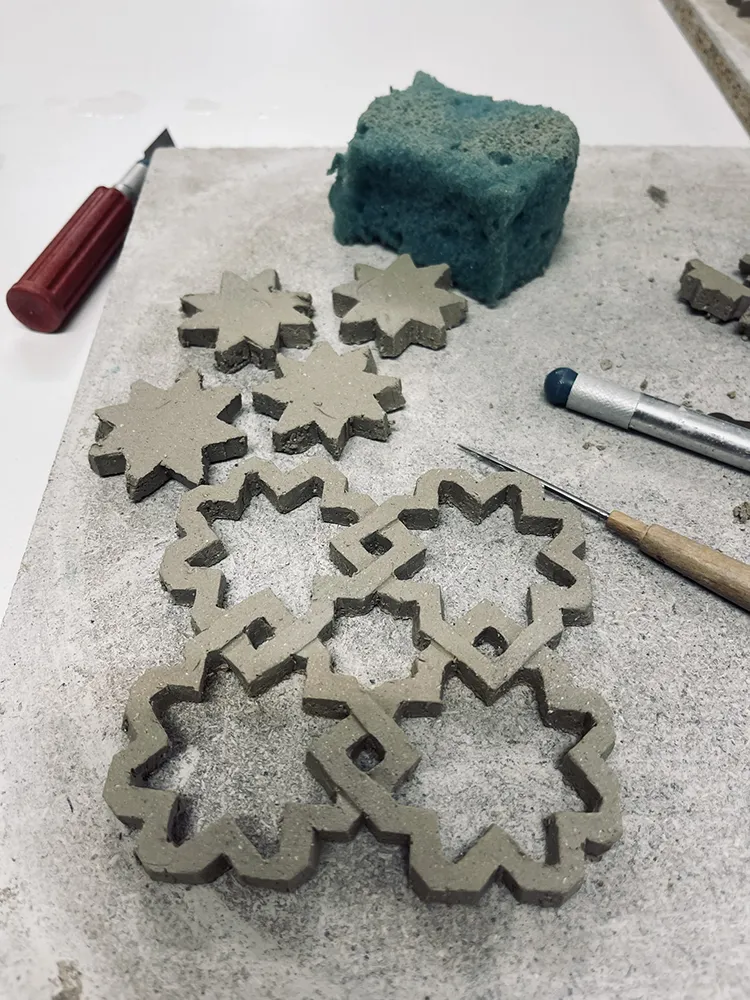
The objectives have been, on the one hand, to disseminate the true role of plaster in traditional Aragonese architecture, carrying out a study and quantification of the construction systems and techniques carried out with traditional plaster in the villages of the Mudejar territory, both in popular architecture and in monumental architecture. And secondly, to study the composition of a plaster that can be manufactured nowadays and that preserves the legacy received, allowing the reactivation of some of the quarries studied and fixing the population in the rural environment, for its reintroduction in contemporary architecture or for restoration and rehabilitation; including the analysis of its economic, social and sustainable viability, returning it to some of the uses it had in the past.

The municipalities that took part in this study were Aniñón, Borja, Calatayud, Daroca, Fuentes de Ebro, La Almunia de Doña Godina, Maluenda, Quinto de Ebro, Ricla, San Mateo de Gállego, Tauste, Terrer, Tobed, Villa de Jiloca, Villafeliche, Villamayor de Gállego and Zuera.

During the study of these municipalities, the construction typologies executed with traditional plaster in old and recent constructions have been identified, locating major aspects that coincide between the municipalities in the versatility of the use of plaster, both in interior cladding, façade applications, exterior decorations, flooring and structural elements until the great change that construction underwent between 1950-1970 with the arrival of modern materials, relegating traditional materials to oblivion.

Mineralogical studies of Mudéjar plaster have revealed the presence of hydraulic phases in Mudéjar plaster (which was fired at very high temperatures), making these plasters much more resistant to stress than modern plasters, which are fired at very low temperatures.

With this contribution of knowledge about this traditional material, the importance of preserving the legacy and knowledge of making Mudejar plaster, a process that remained unchanged until the mid-20th century when the link of knowledge passed down and refined over many generations was broken.

LINE OF RESEARCH: New Perspectives

AUTHORS:

Project coordinator: Pedro Bel Anzué. Environmental Architecture.

Principal Investigators: Marta Monzón Chavarrías (University of Zaragoza), Kerstin Elert (University of Granada), José Manuel López Osorio (University of Málaga), David Sanz Arauz (Polytechnic University of Madrid).

Advisors linked to the project: Ramón Rubio Domene (Alhambra, Granada) and Antonio Almagro Gorbea (Escuela de Estudios Árabes-CSIC).