

Didactic Mudejar, the guide
Projects
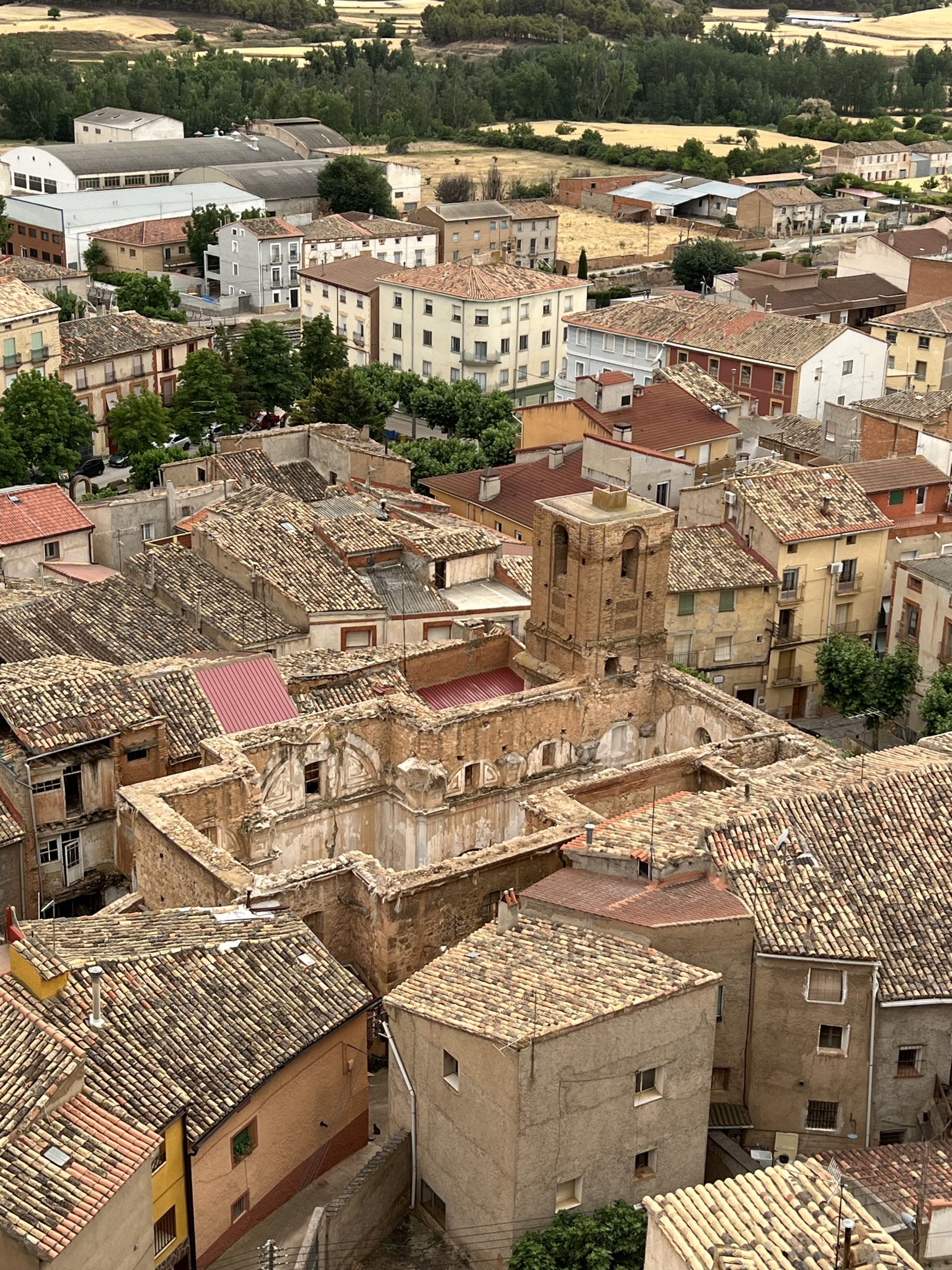
Fariza: "Possession"
There are many remains of prehistoric settlements in the vicinity of the town of Ariza. Ten sites dating from the Late Bronze Age or 1st Iron Age stand out, where pieces of flint and handmade pottery have been found, some with coarse decorations.
In the same place there is a Roman road that linked two of the most important cities in Hispania: Emerita Augusta (today’s Mérida) and Caesaraugusta (today’s Zaragoza), although there is no evidence of Roman residential architecture in Ariza.
But it is undoubtedly the Arab period that marks the course of Ariza. The medina of Hariza or Fariza (according to some Arabists “the Possession”) must have been a major commercial centre.. Nearby nuclei must have been absorbed by it, as it represented a nucleus that was in constant growth, populated by Berber tribes. One of the reasons for this was that Abderramán III established a communication route between Medinaceli, Calatayud and Zaragoza.
The original urban layout of the town, which is based around the castle, dates from this period.
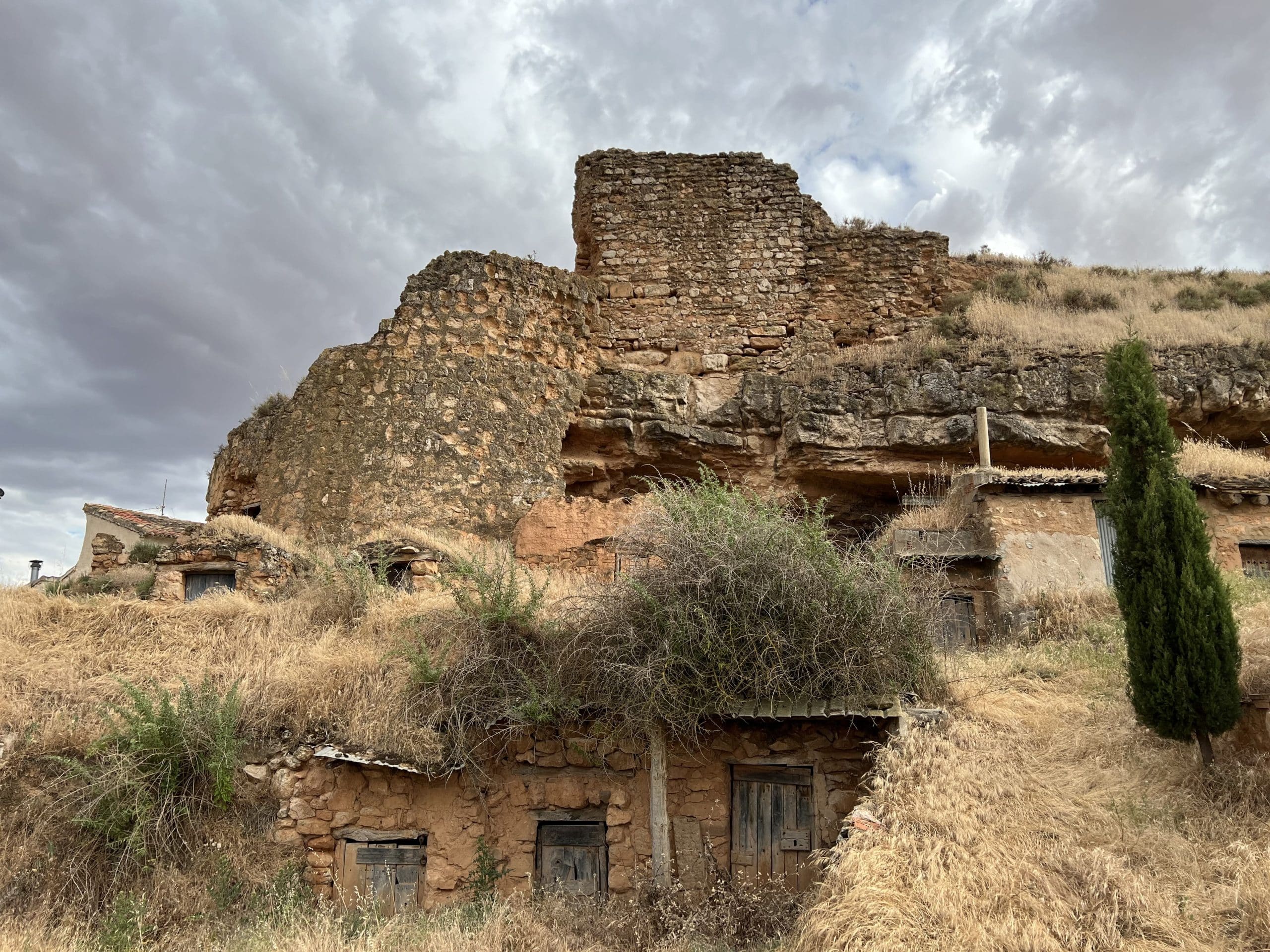
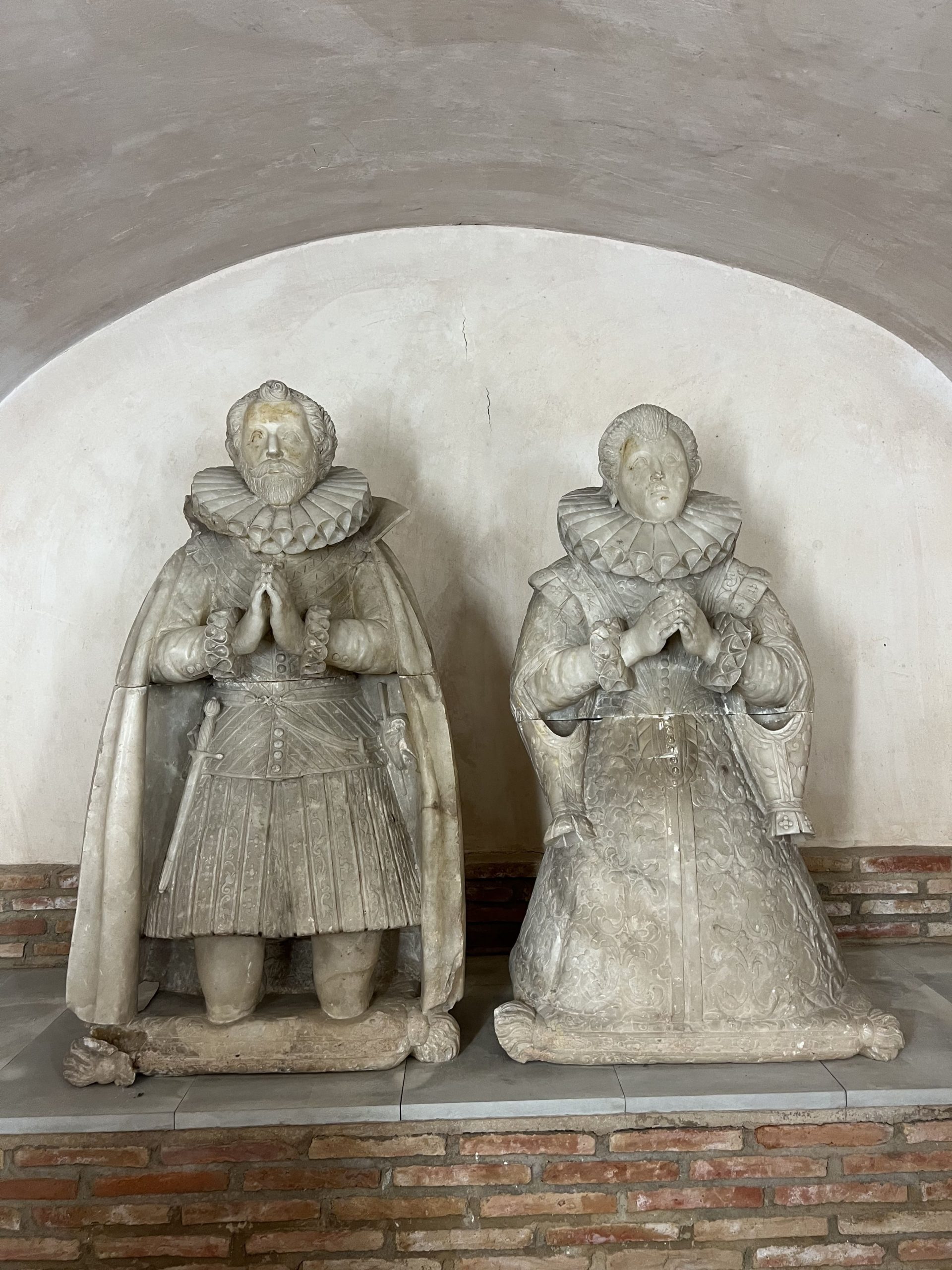
A castle of qalat typology
The remains of the castle of Ariza stand on a mountain ridge overlooking the town. They have a triangular ground plan, at the foot of which the town grew, forming the current urban centre. Its situation from the defensive point of view is unbeatable, which is why it was later used in different conflicts.
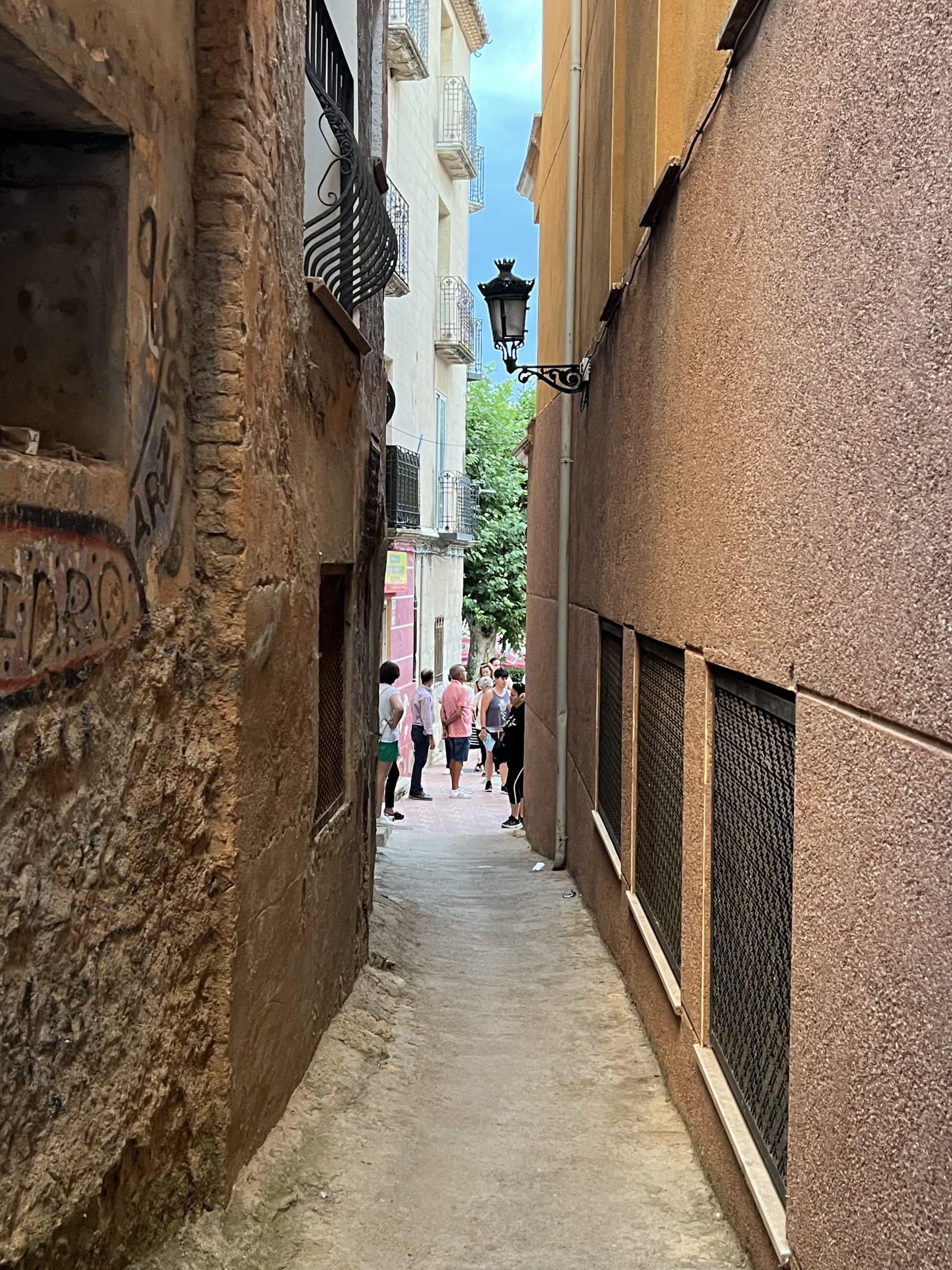
Walking through Ariza we can locate the old quarters that divided the town in the Middle Ages: the Jewish quarter and the Moorish quarter, located inside and outside the limits of the wall, of which we still have vestiges today, such as the Arco de la Villa or Arco de Castilla.
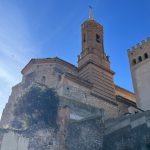
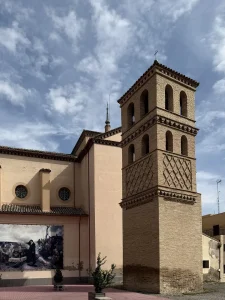
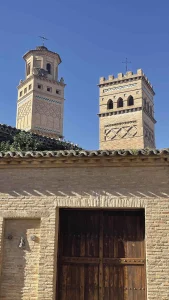
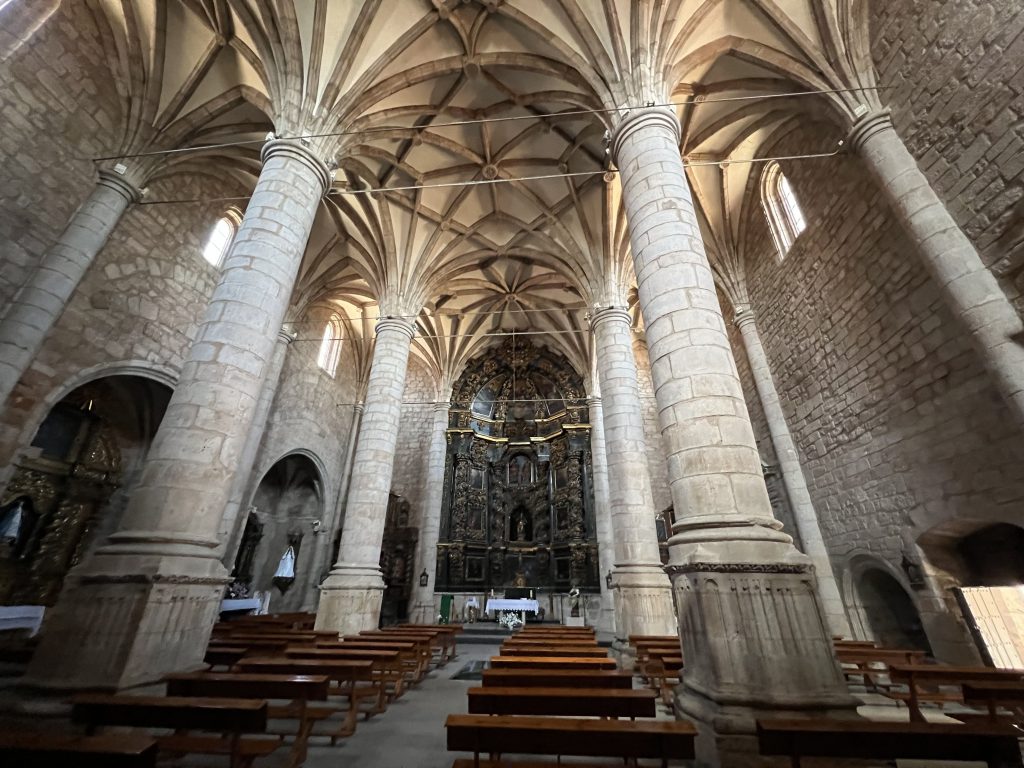
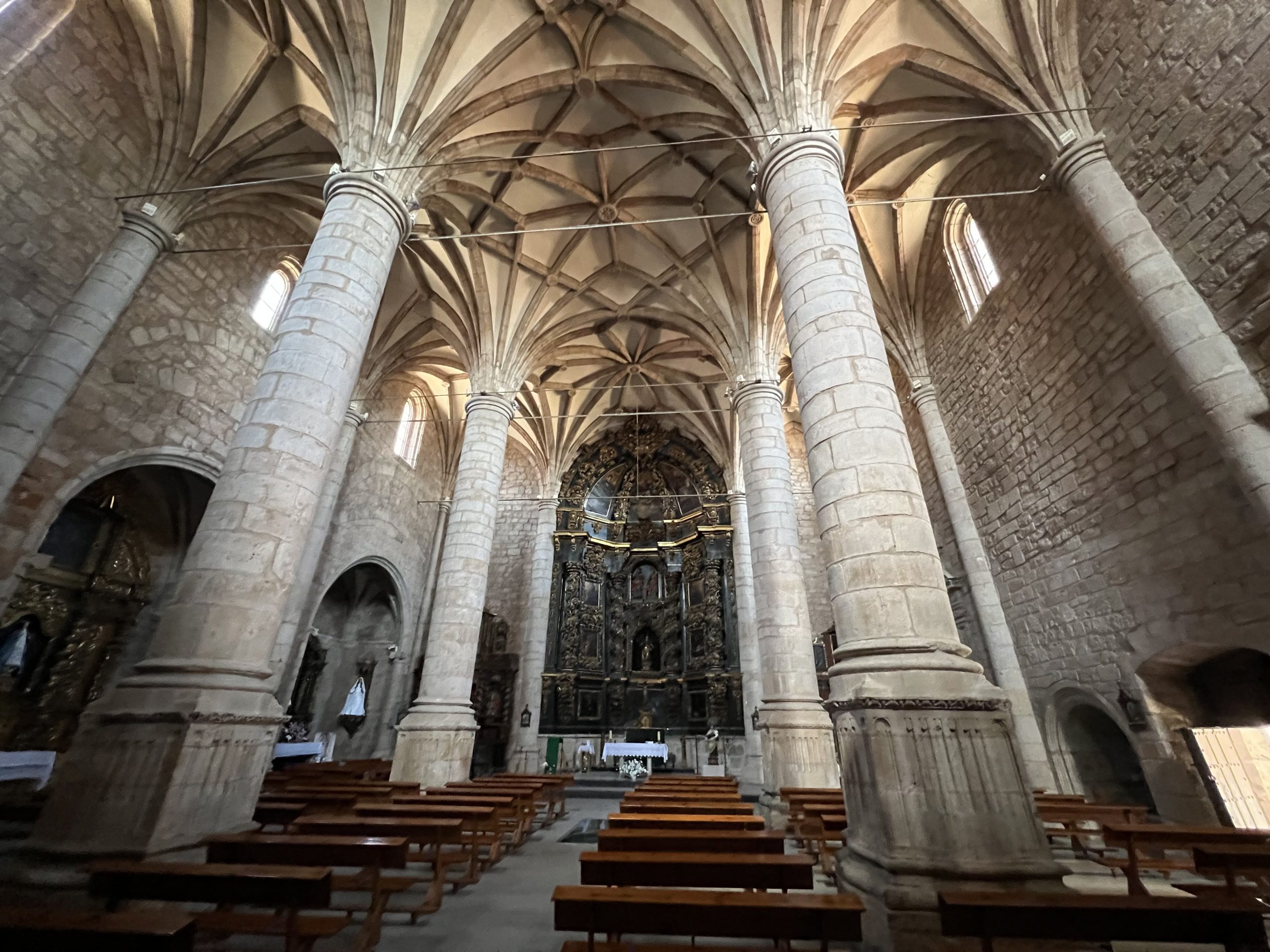
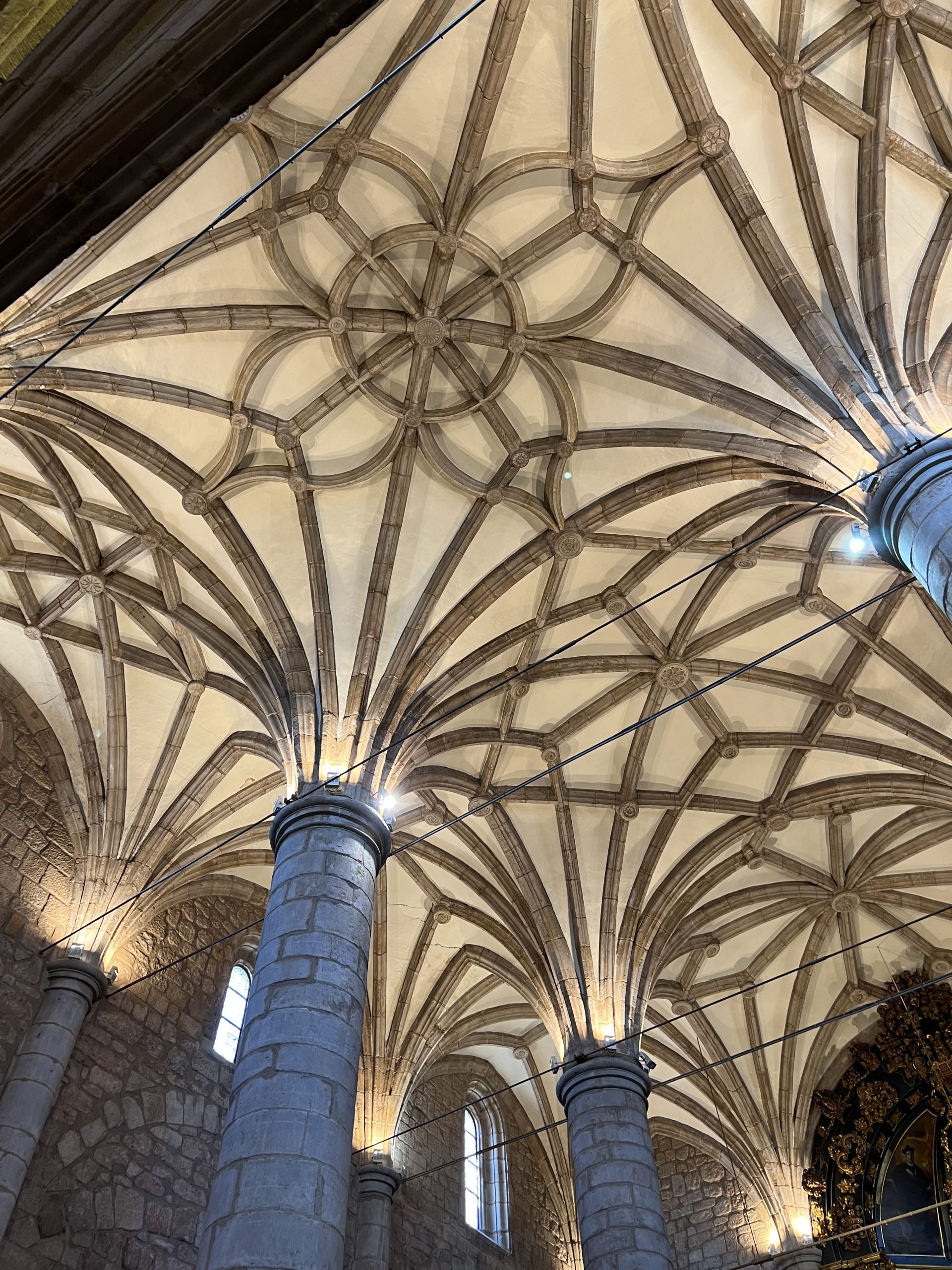
The church of St. Mary, the main monument of the town, is a perfect example of the building typology of hallenkircheor hall plant, widely used in our territory during the 16th century.
Other outstanding monuments include the old hospital, the old church of San Pedro, already documented since the 13th century, the Palacio del Marqués, a building owned by the municipality that is still in use today, and the convent of San Francisco, located on the edge of the town, a Baroque construction from the 18th century.
Another interesting element is the cellar quarter, which today has about 80 cellars still standing, although it once had more than 150. Due to the large number of them in Ariza, the “cuberos” or craftsmen who made the vats and vats in the winery itself and who were used as containers to store the wine became indispensable.
Territorio Mudéjar Network
The city council has been a founding partner of Territorio Mudéjar since 2023.
More information
Town Hall: 976 845 095
DO YOU WANT TO KNOW MORE?
Turismo de Aragón
turismodearagon.com
Turismo comarca de Calatayud
comarcacalatayud.com
Centro de Estudios Bilbilitanos
cebilbilitanos.com
Proyectos Territorio Mudéjar
en Calatorao
Monumentos | Ver el proyecto
Pedagogía | Ver el proyecto
Proyecto Mudetrad | Ver el proyecto
Mudéjar didáctico, la guía | Ver el proyecto
“Circular” Paseos en familia | Ver el proyecto