Circular from the rural school
The “Circular from the rural school” project is a cooperation project between rural development groups led by the Asociación Territorio Mudéjar.
The objective is to develop educational materials around the Mudejar identity of the towns, placing rural schools and the educational community of the towns as the center of the project.
Based on the work carried out, the students at each school have designed a tour of their town or village, highlighting the main points of interest and their connection with Mudejar culture.
Torres de Berrellén
The route was designed based on the working model of the schools that participated
in the project and adapted to the town of Torres de Berrellén.
Torres de Berrellén, with its strategic position on the banks of the Ebro River, is distinguished by a
historical heritage that narrates the evolution of a riverine and agricultural landscape. The Palace of
the Dukes of Villahermosa, together with the remains of El Castellar, an ancient
defensive post from the 11th century, are valuable testimonies to its stately and military past.
This unique heritage is also visible in the Barca del Castellar, which recalls the
historic river crossing, and in the neo-Mudejar tower of the Church of San Andrés. Thus, the
town is a key point for understanding the historical richness of the Ebro and the influence of
the cultures that inhabited it.
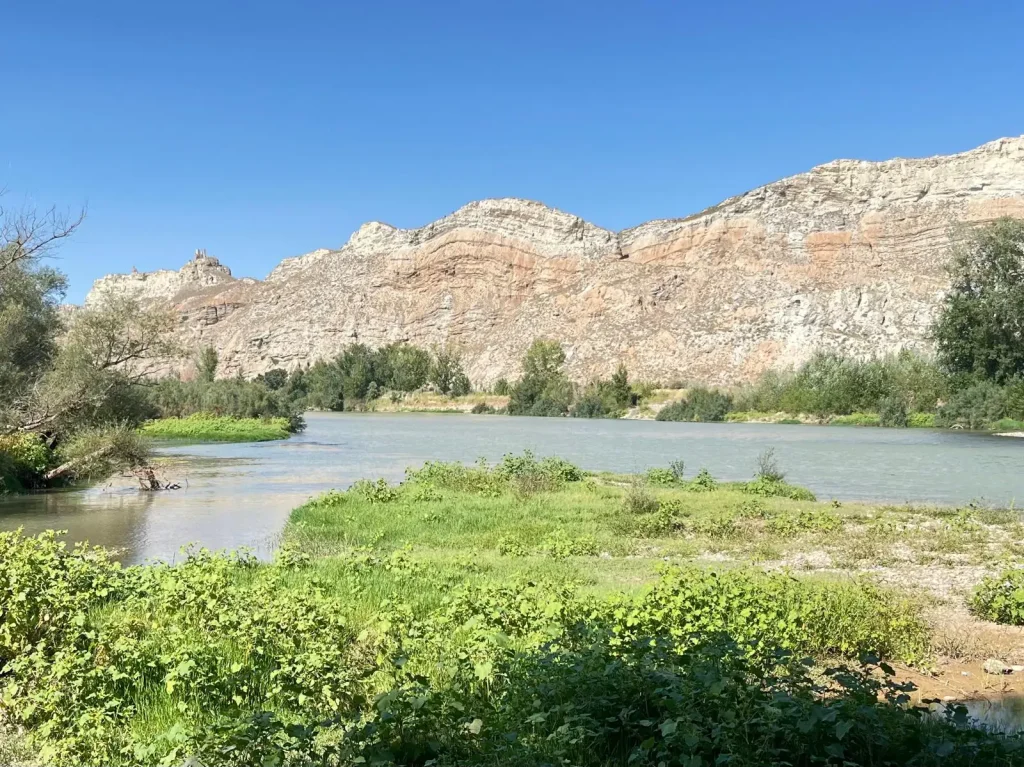
1. History of the town
El Castellar, a collection of archaeological remains from the 11th century, is the origin of the town and a key point in the Christian conquest. Although it was initially a military castle, a medieval village soon developed around it, which also left its own traces.
Its depopulation at the end of the Middle Ages and the subsequent relocation of its inhabitants to what is now Torres de Berrellén demonstrate how the legacy of El Castellar, and by extension its Mudejar heritage, is fundamental to understanding the birth and development of the town.
This point is linked to the didactic activity 1
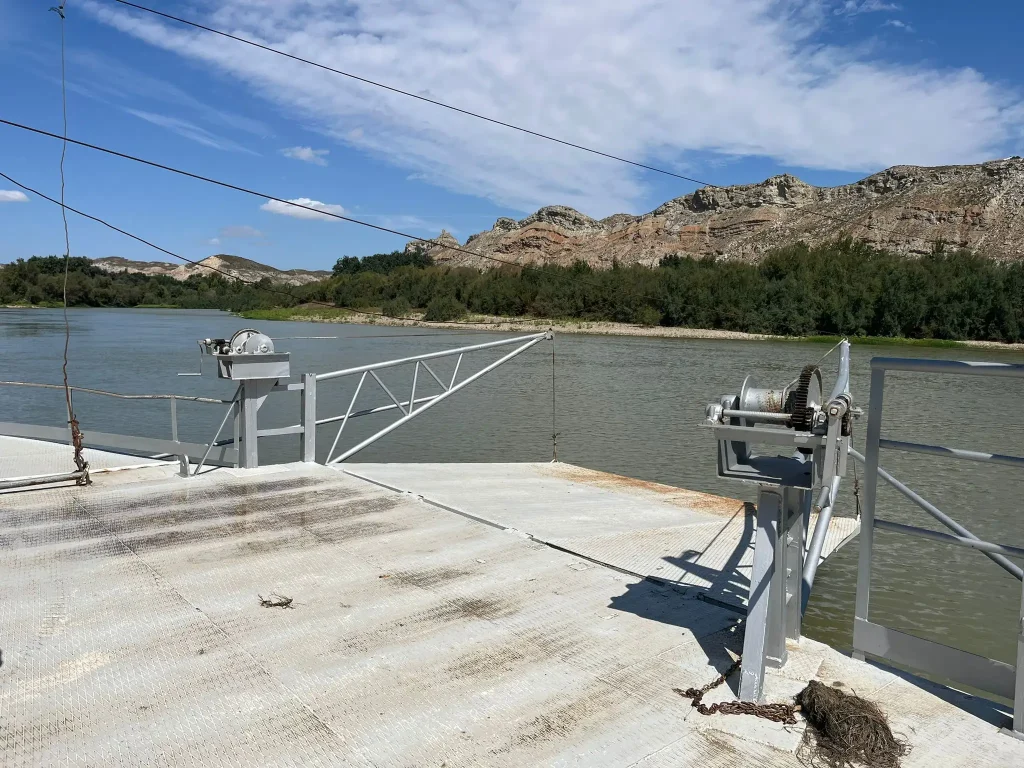
2. Importance of water
La Barca de El Castellar is a testament to the vital importance of water in the development of Torres de Berrellén. Thanks to a system of towpaths, the river was not a barrier, but rather a means of communication that facilitated the movement of people and goods. In addition, the proximity of the Ebro River allowed for the development of rich irrigated farmland, a key element in the landscape of the town. Thus, irrigation systems, many of them with roots in Mudejar techniques, transformed semi-arid land into a fertile area, demonstrating how the Islamic legacy influenced the community’s subsistence.
This point is linked to the didactic activity 6
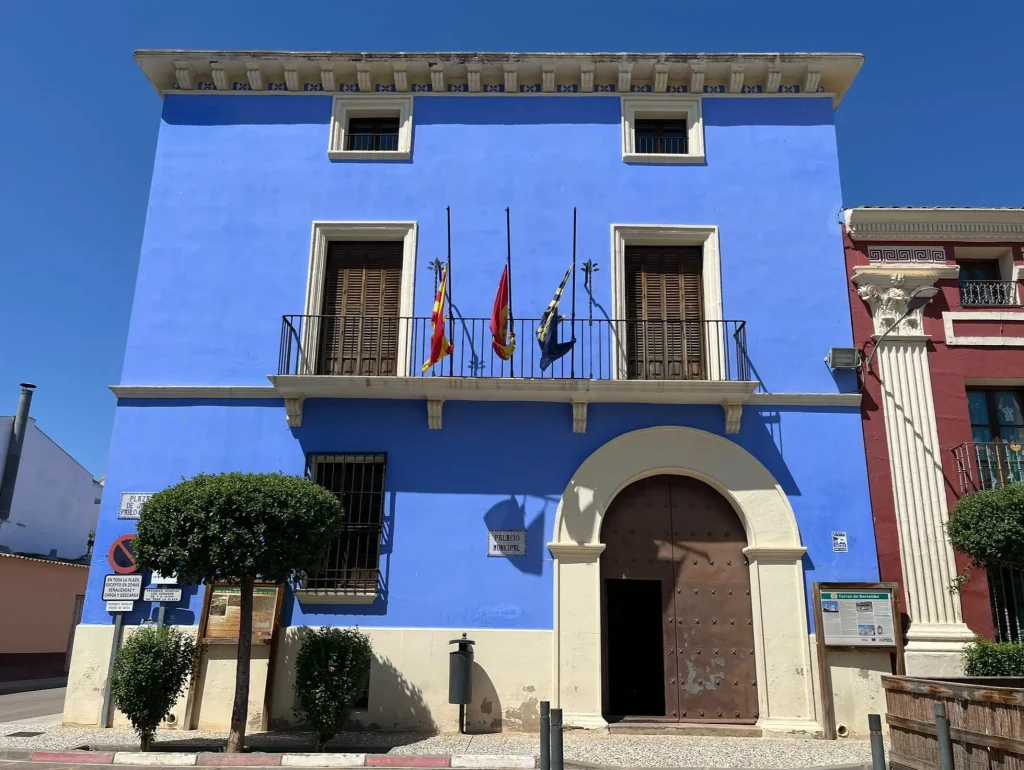
3. Patron of Mudejar art
This palace is a clear example of the importance of patrons in the history of Torres de Berrellén. The construction of this 17th-century Renaissance building is attributed to Baltasar Ximénez-Cerdán, but it ended up in the hands of the noble Villahermosa family. They invested in the beautification of the palace, turning it into a centre of cultural and social influence. This patronage, together with the Mudejar legacy visible in other buildings in the village, demonstrates the cultural wealth that has shaped the identity of the locality.
This point is linked to the didactic activity 7
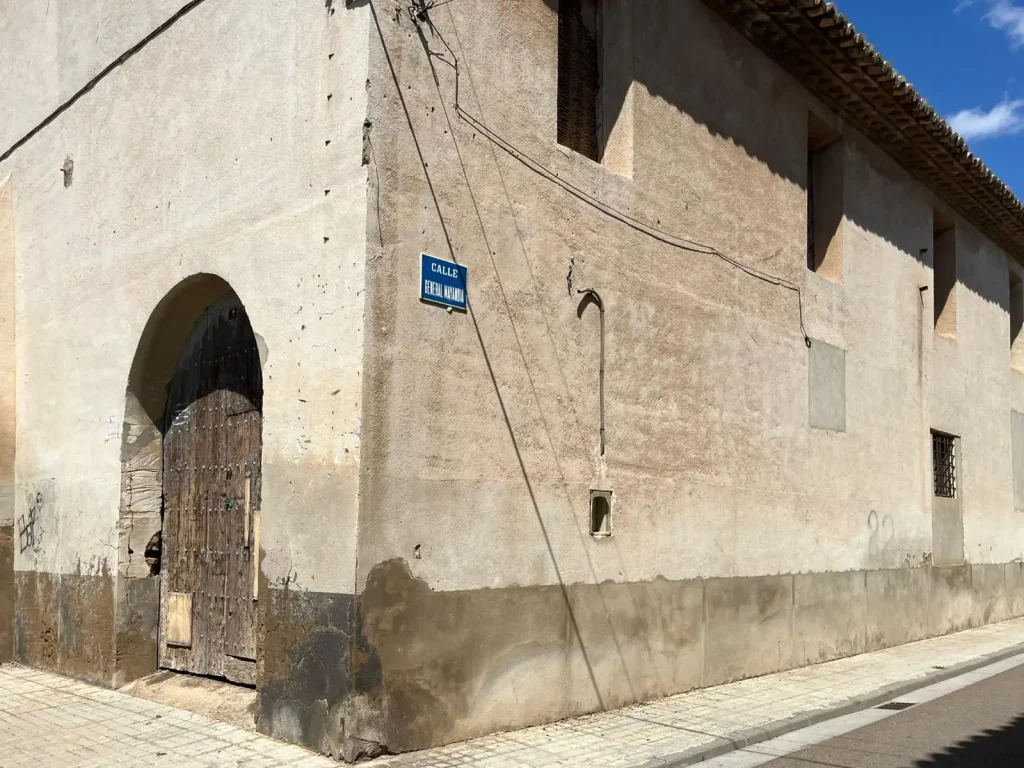
4. Construction materials
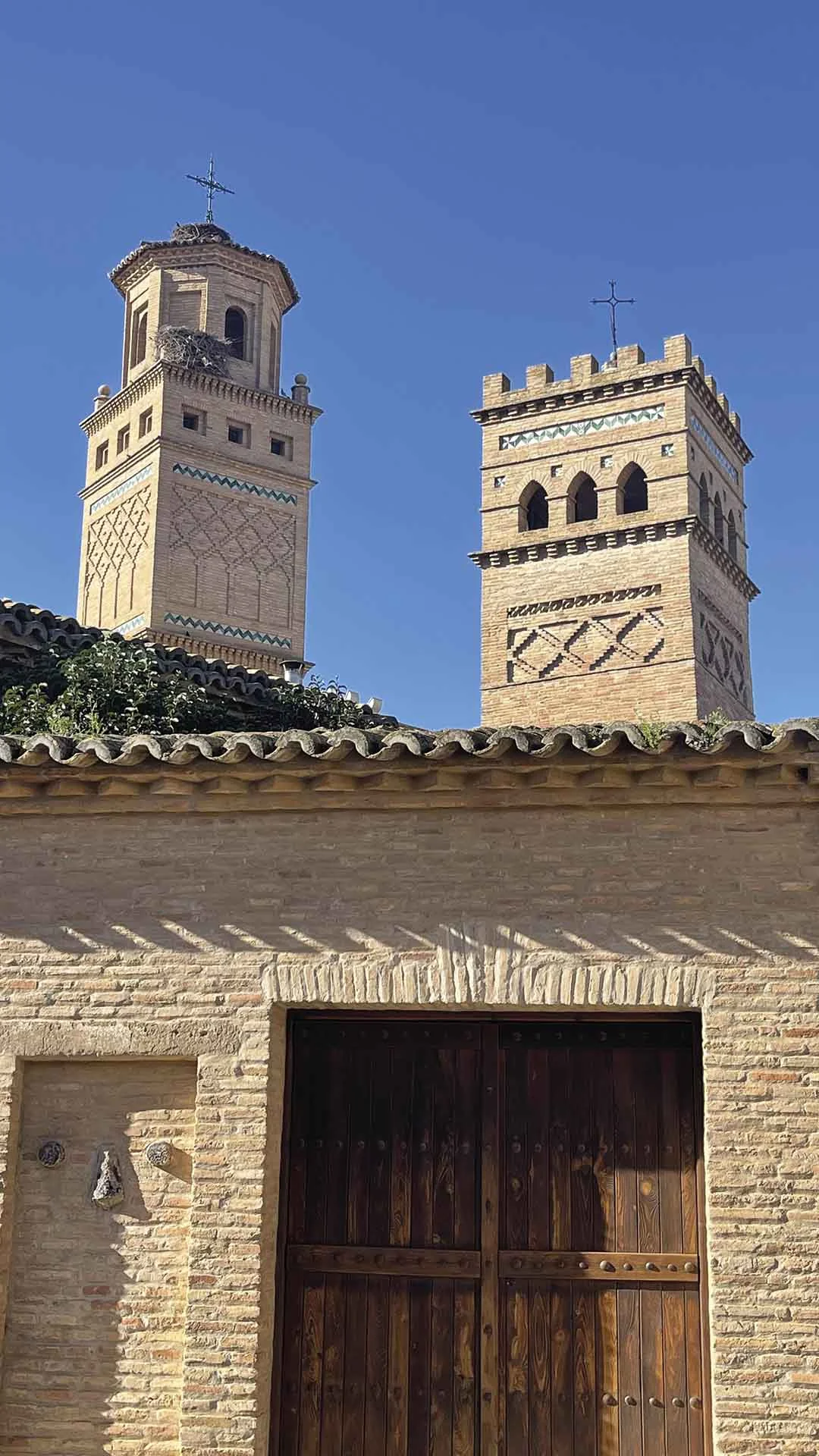
This building is a testament to the area’s building tradition, using a combination of materials and construction techniques that date back centuries, with clear Mudejar influences. On the roof, ceramic tiles, laid in the traditional manner, protect the structure, while the solid wooden door with its sturdy metal nails reflects the durability and craftsmanship of the period. The wall, which reveals a brick structure on the inside, is covered on the outside with lime mortar, a common technique for protecting and consolidating walls.
This point is linked to the didactic activity 3
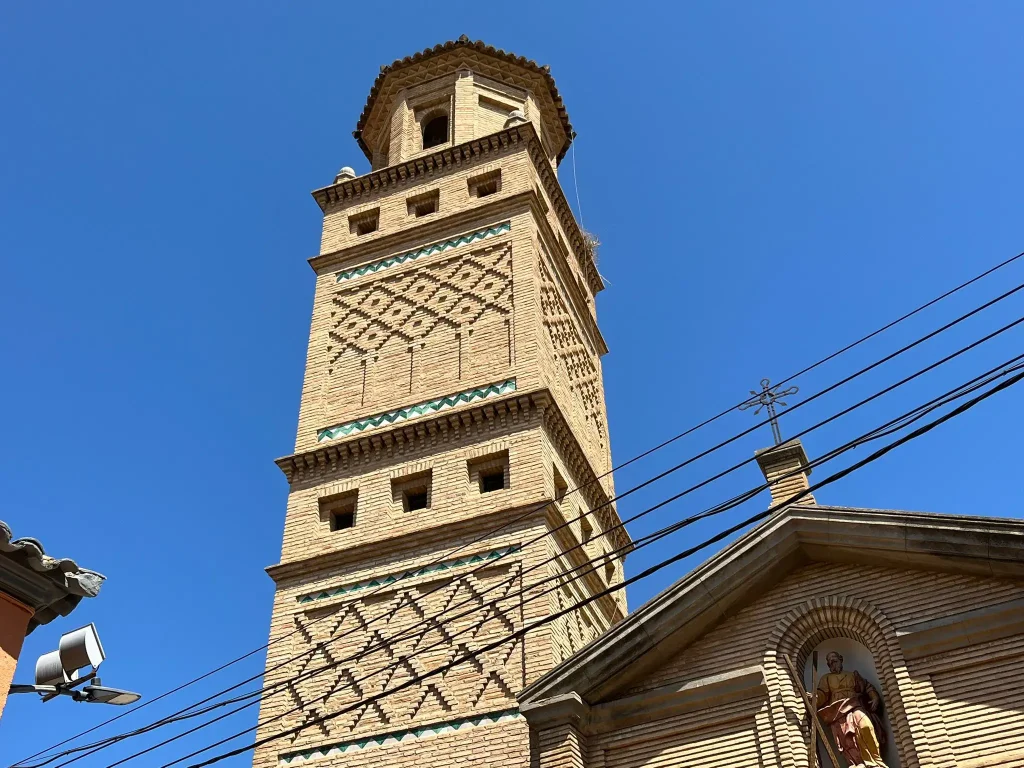
5. Reminiscences
The tower of the Church of San Andrés, although rebuilt in the 20th century, is a clear example of Mudejar influences in architecture due to its design and materials, such as brick. This architectural choice is not accidental, but rather seeks to keep alive the aesthetics and techniques of an art form that defined the Aragonese style for centuries. Thus, the tower, which stands on top of the original structure, acts as a bridge between the past and the present, demonstrating how an artistic tradition can be reinterpreted and adapted, preserving its essence in a modern context.
This point is linked to learning activity 5.