Circular from the rural school

The “Circular from the rural school” project is a cooperation project between rural development groups led by the Asociación Territorio Mudéjar.

The following have participated in the project: ADRI Calatayud-Aranda, ADRI Jiloca-Gallocanta, FEDIVALCA -Valdejalón and Campo de Cariñena-, ASOMO Tarazona and el Moncayo, CEDEMAR -Bajo Aragón Caspe and Ribera Baja del Ebro-, ADRAE -Ribera Alta del Ebro- and ADEFO Cinco Villas.

The objective is to develop educational materials around the Mudejar identity of the towns, placing rural schools and the educational community of the towns as the center of the project.

Based on the work developed, for almost three years, the students of fifteen schools have designed a walk through their town in which we can learn about the main points of interest and their connection with the Mudejar culture.

Villafeliche

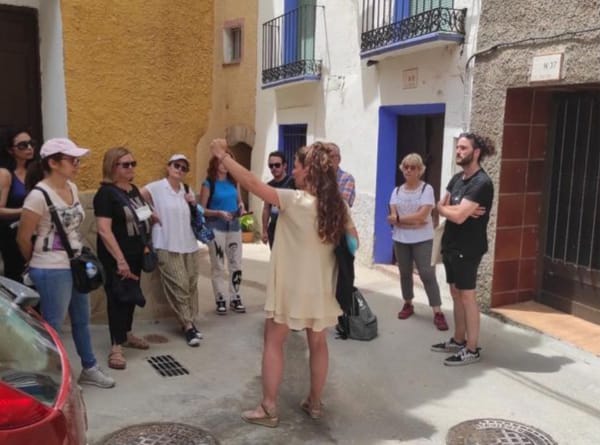
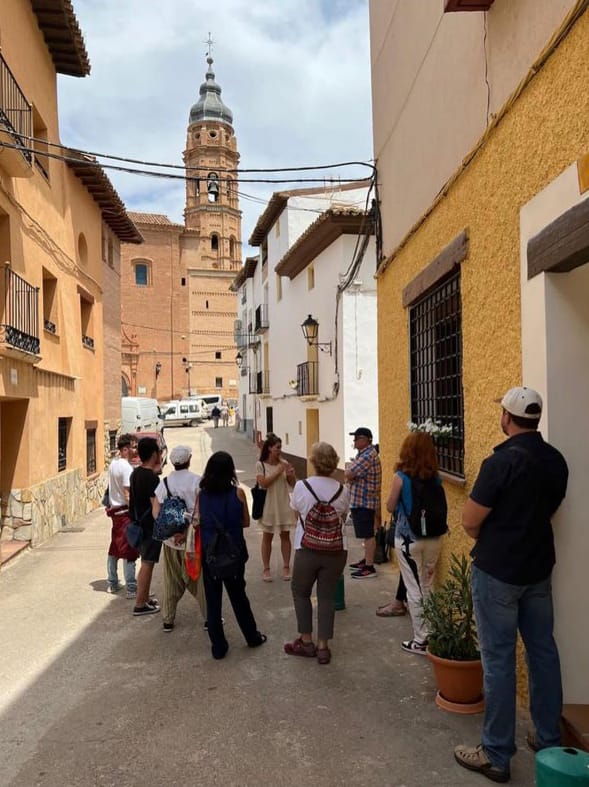
The tour has been carried out following the working model of the schools that participated in the project and adapted to the locality of Villafeliche.

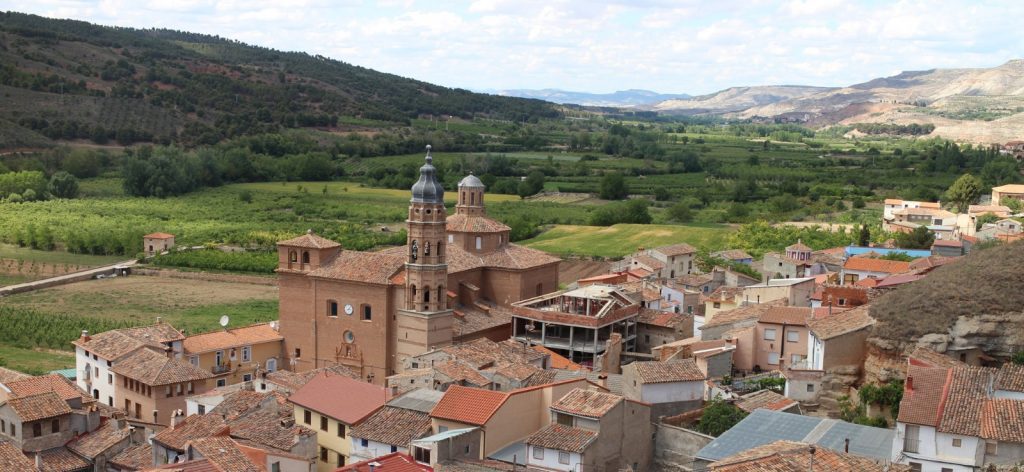
It is also one of the best examples of an open Moorish quarter, due to the large number of people of the Muslim religion who lived in the town before and after the Christian conquest. You only have to stroll through its streets to feel the urban mark of Islamic tradition.

1. History of the town

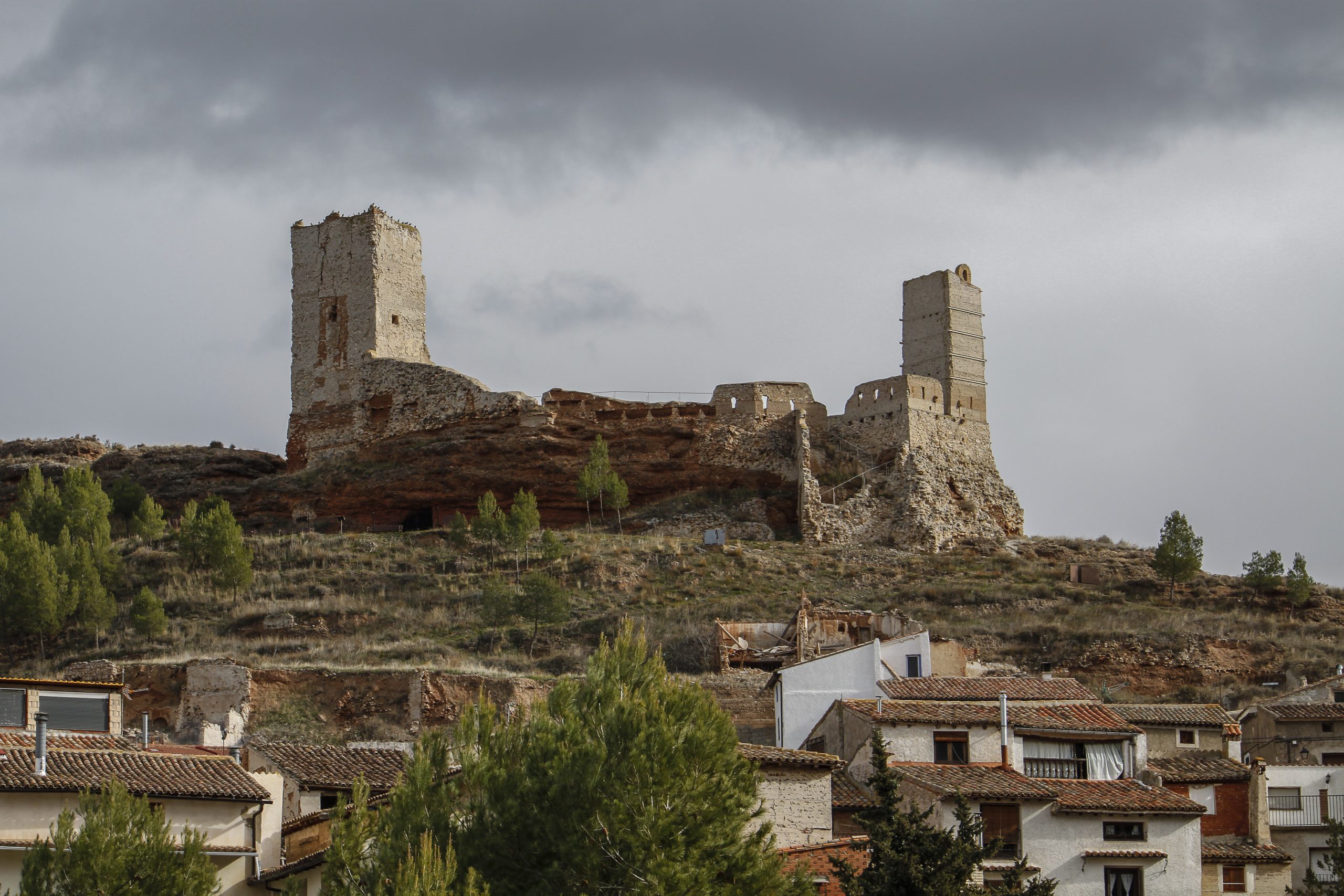
The first references to Villafeliche date back to the Arab period, when the town had a castle and a small village at its foot. Little by little, this town gradually gained importance due to the abundance of natural resources in the surrounding area: water and materials. The settlement of the Arabs in the territory for almost five centuries left a mark and an influence on the way of life that we still inherit today.

This point is linked to the didactic activity 1.

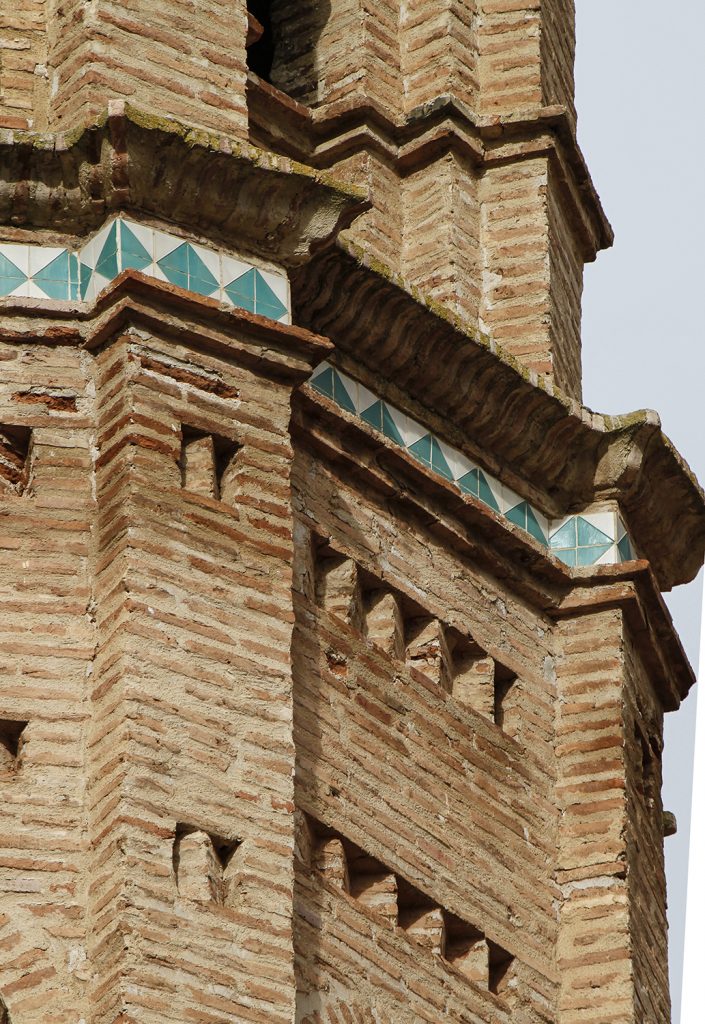
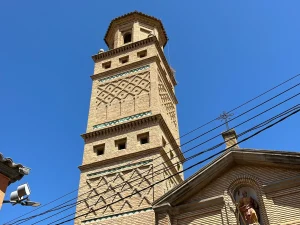
Detalle de ladrillo y cerámica vidriada en la torre mudéjar de la iglesia de San Miguel en Villafeliche.

2. Construction materials

The materials used by the Mudejars are materials that can be found in the surroundings, what we would call, of proximity. In this way, we will see how commonly used monuments and constructions are made with the same materials and construction techniques. The most common materials are clay, plaster, wood and alabaster. The abundance of raw materials in Villafeliche led to the establishment of pottery workshops that exported to other places.

This point is linked to the didactic activity 3

3. Coexistence of cultures

The Christians allowed the Muslims, previous settlers, to remain in the territory, as they were necessary to sustain the local economy. In Villafeliche we still have an open Moorish quarter, as the majority of the population was Muslim. The streets are narrow and winding, full of alleyways and lanes, and the colour white predominates. They are white in colour in response to two reasons: to cope with the extreme weather conditions of the area, which are very hot in summer and very cold in winter. On the other hand, following the tradition of the Muslim house, where life is lived indoors, thus preserving privacy. Hospital Street formerly marked the separation between the neighbourhood of the Old Christians and the New Christians, or Moriscos.

This point is linked to the didactic activity 2

4. Mudejar architecture

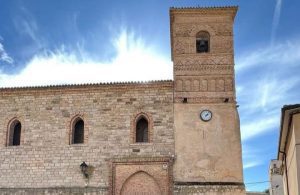
The church tower combines one of the Mudejar building typologies, decoration and materials. The tower of the church of Villafeliche is late in the style. These towers are called mixed towers, as they have a lower quadrangular body and an octagonal upper body and serve as the church’s bell tower. We can see decoration in simple brick and ceramics from the 16th century that generates a play of light and shadow.

This point is linked to the didactic activity 4

5. Water and agriculture

Water is the most important principle of the universe according to the Koran. It is a divine symbol, since water is necessary for life. It is also present in the Muslims’ idea of their Paradise. For the Mudejars, who were also Muslims, water was fundamental. When the Arabs arrived in the Iberian Peninsula around the 8th century, they brought with them fruits and vegetables from their place of origin.

In order for these foods to survive, they had to have a good water supply. For this reason, they introduced several irrigation techniques that are still preserved today: irrigation channels, ditches, water reservoirs, waterwheels… Following Corredera street we can see all the crops of the fertile lowlands of the Jiloca river, especially fruit trees. You can also go to the gunpowder mills that are still preserved in the town.

This point is linked to the didactic activity 6

Related Works