
Cosuenda
Village Territorio Mudéjar
The shelter
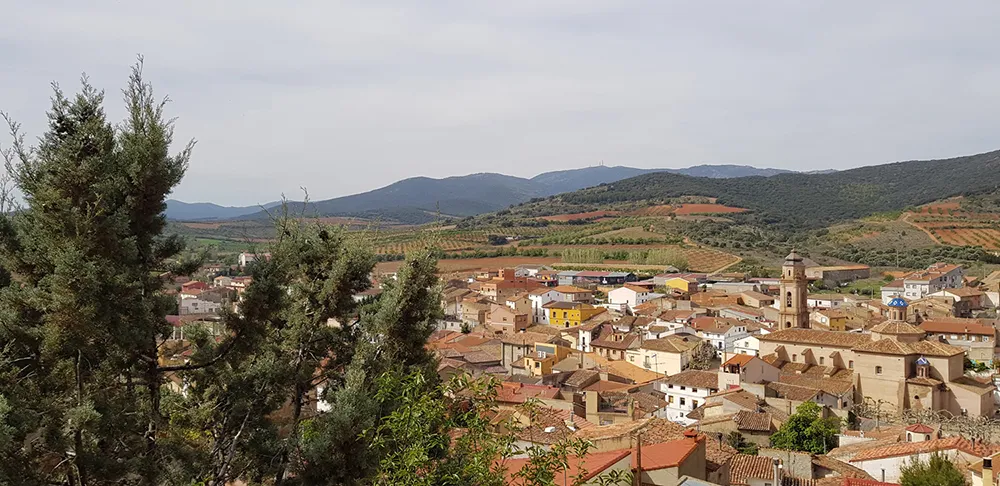
In the foothills of the Sierra de Algairén and at the foot of a hill that protects its hamlet, is the town of Cosuenda.
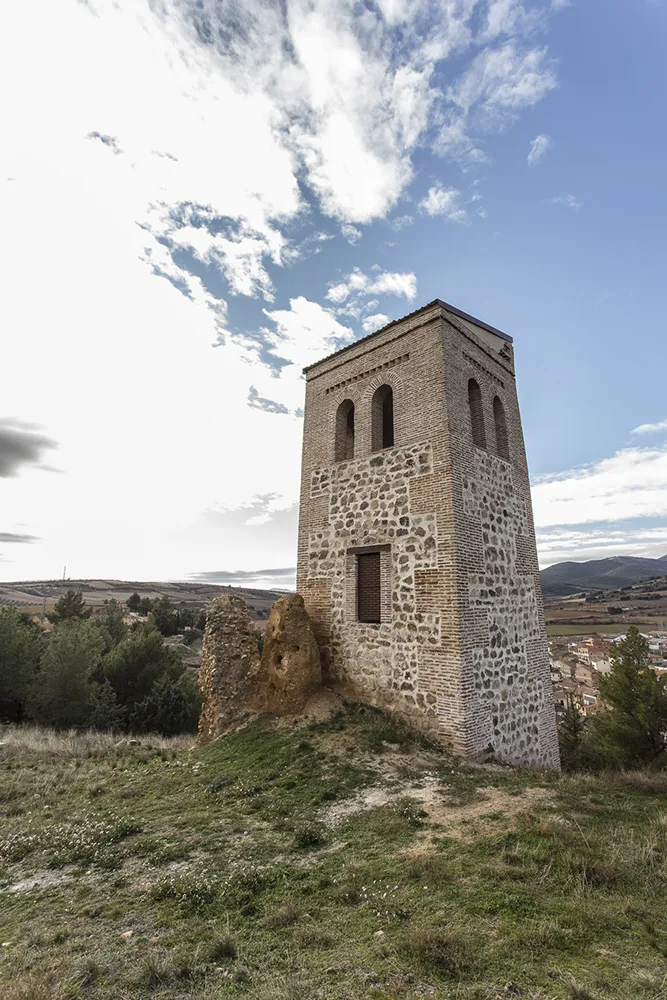
The remains of the castle can be seen on a nearby hill. It was built as a refuge from the threats of Castilian invasion in the 14th century and, as in other castles in Aragon, a church was built inside it. In the most strategic corner is the emblem of Cosuenda: the Lisalta tower.
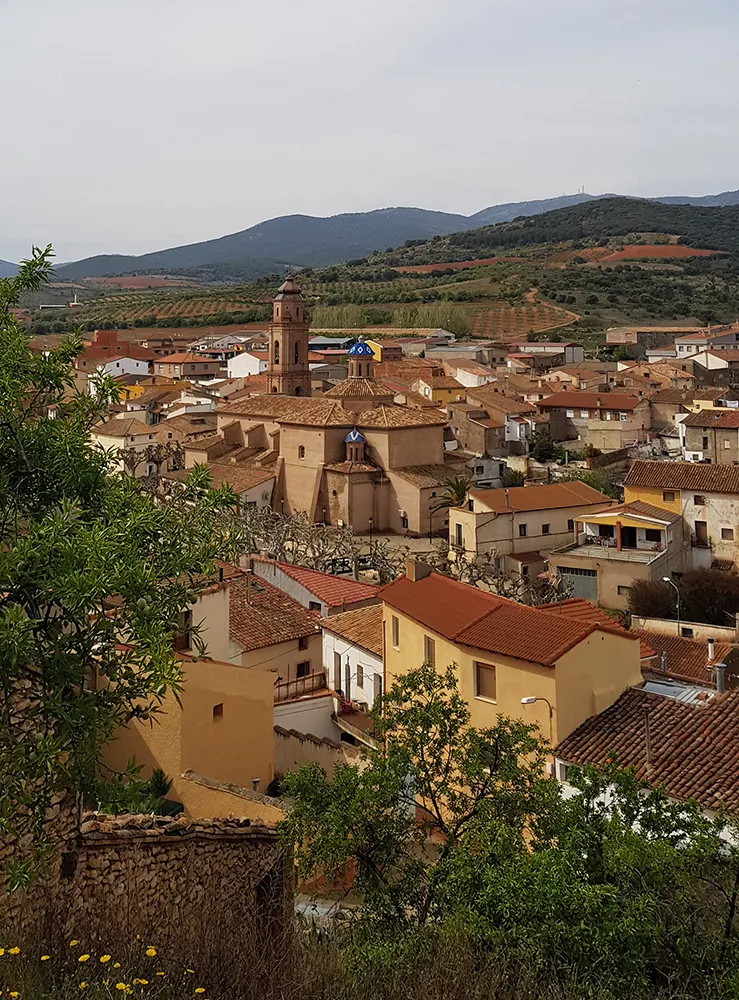
Projects Territorio Mudéjar in Consuenda
Monuments | View the project
Education | View the project
Project Mudetrad | View the project
Mudéjar educational, the guide | View the project
Urban planning preventive | View the project
“Circular” Walks with the family | View the project
Cosuenda in the social media
Facebook: @turismocampodecarinena @rutadelvinocampodecarinena
Instagram:@turismo_carinena @rvpcampocarinena
More information
Town Hall: 976 627 081
www.ayto-cosuenda.com
Association for the Integral Development of Valdejalón and Campo de Cariñena fedivalca.org
VISIT COSUENDA
976 633 296
WOULD YOU LIKE TO FIND OUT MORE?
Tourism in Aragón
turismodearagon.com
Route ofWine Country of Cariñena
www.rutadelvinocampodecarinena
Territorio Mudéjar Network
The town council has been a founding member of Territorio Mudéjar since 13 September September of 2018.

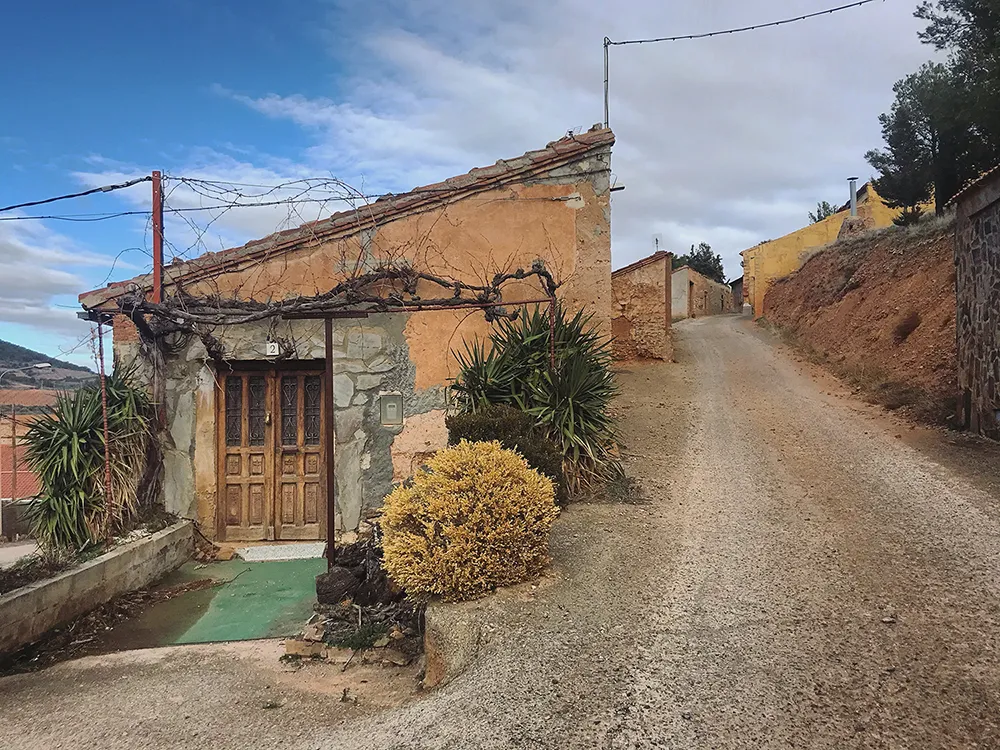
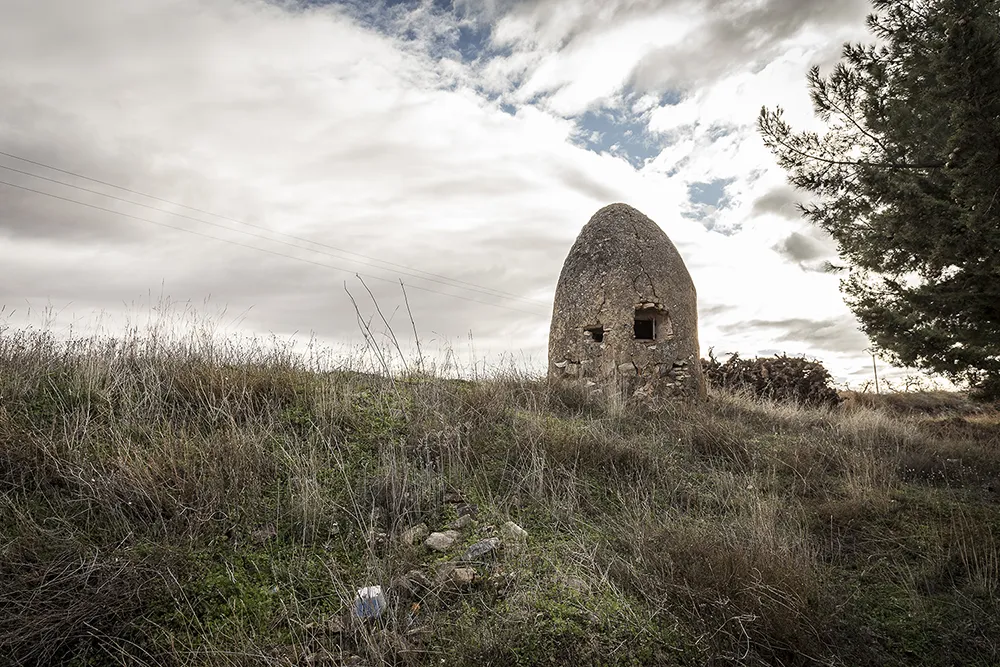
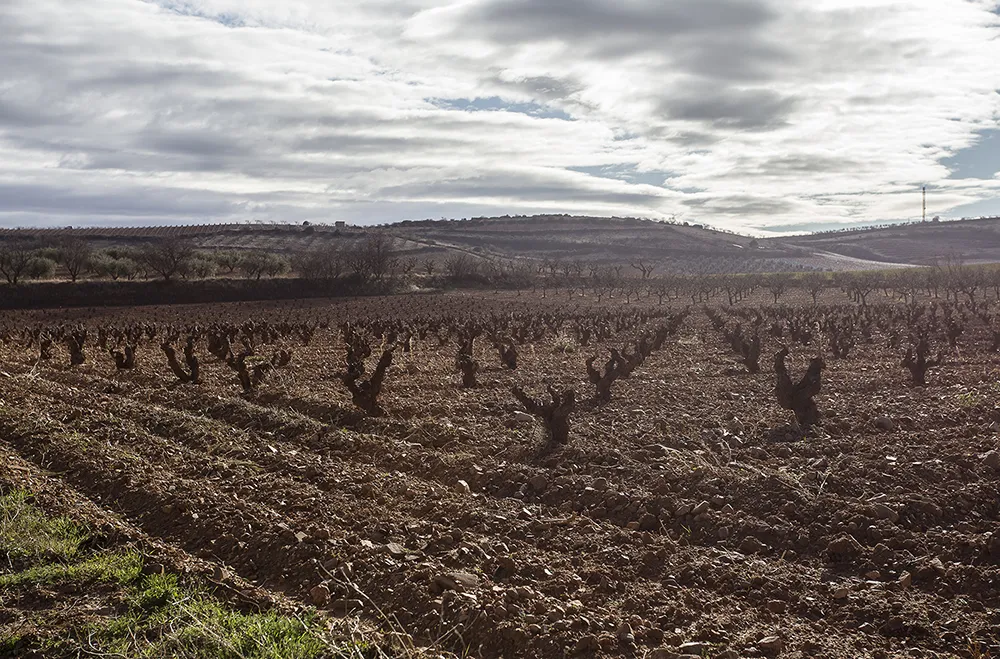
The fortified tower of La Lisalta
With a square floor plan of about 5 metres on each side, its walls are made of masonry with brick reinforced corners and the upper body is made entirely of brick in the Mudejar style. The recent restoration has solved the structural problems and part of the tower has been rebuilt.
The building has round-arched openings to house bells, and some theories suggest that it may have been the bell tower of the church that no longer exists. The entrance doorway, located high up, retains the interior pointed arch, also made of brick. Next to it there are still the remains of strong masonry walls that may have formed part of a small interior fortification for the defence of the isolated tower.
The artistic historical tour is complemented by the church of Nuestra Señora de los Ángeles, a baroque style temple; some stately homes such as the house of the pianist Pilar Bayona, and other buildings such as the old inn, which today houses the town hall and in the past was the hermitage of San Juan. The old rock-hewn cellars in the upper part of the village are also of historical value.
With a square floor plan of about 5 metres on each side, its walls are made of masonry with brick reinforced corners and the upper body is made entirely of brick in the Mudejar style. The recent restoration has solved the structural problems and part of the tower has been rebuilt.
The building has round-arched openings to house bells, and some theories suggest that it may have been the bell tower of the church that no longer exists. The entrance doorway, located high up, retains the interior pointed arch, also made of brick. Next to it there are still the remains of strong masonry walls that may have formed part of a small interior fortification for the defence of the isolated tower.
The artistic historical tour is complemented by the church of Nuestra Señora de los Ángeles, a baroque style temple; some stately homes such as the house of the pianist Pilar Bayona, and other buildings such as the old inn, which today houses the town hall and in the past was the hermitage of San Juan. The old rock-hewn cellars in the upper part of the village are also of historical value.