
Borja
Village Territorio Mudéjar
Cultural melting pot
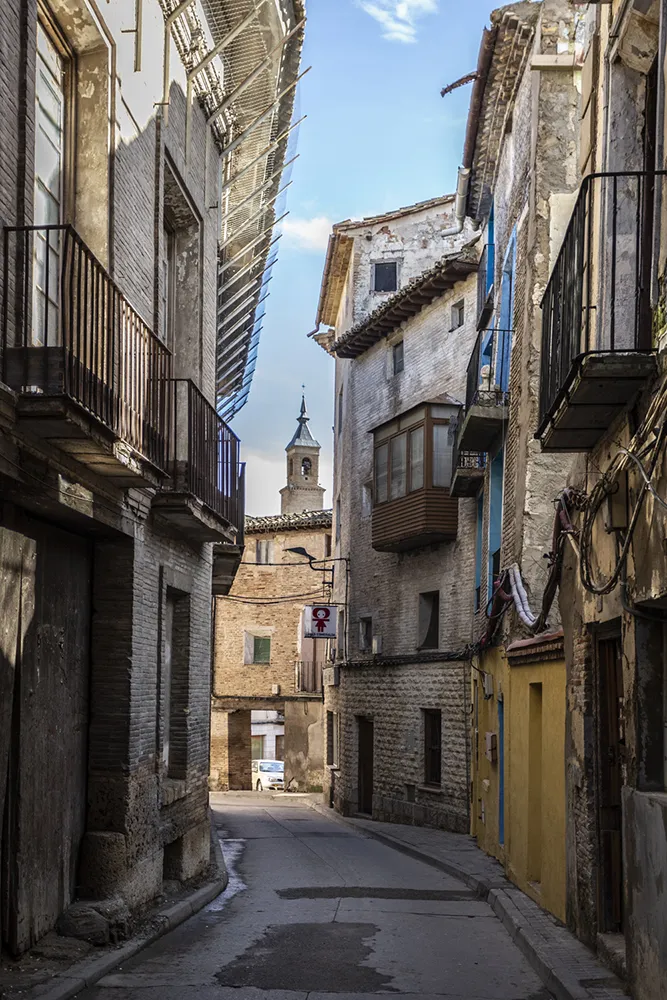
The city of Borja, whose historic centre is recognised as an Asset of Cultural Interest, reflects the history of a city in which the Mudejar imprint can already be felt in the Arabic etymology of its name: Burya, which means tower and fort.
This name, derived from the Arabic etymology given to it by the Muslims who settled in the 8th century on the ancient Borsao, marks the character of the place and the fortification of the crag of the present castle.
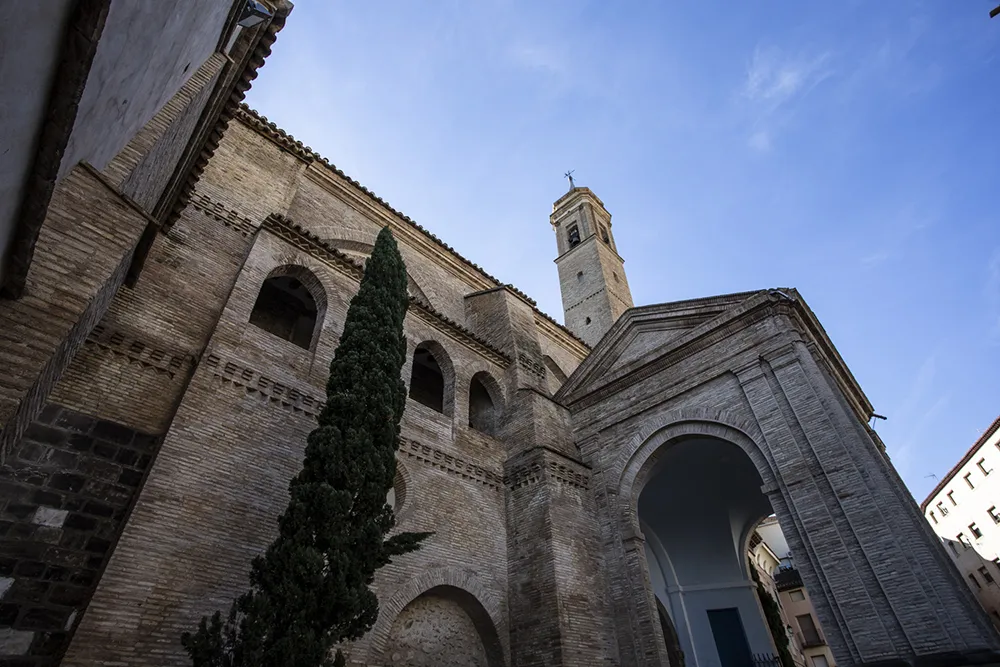
The legacy of this period is still present in a rich historical-artistic heritage in which the ex-collegiate church of Santa María – a Romanesque temple that was replaced by another of Mudejar construction in the 14th century and extended in the following century – stands out.
Other Mudejar buildings include the old church of San Miguel, now the Archaeological Museum, and some interesting examples of the town’s civil architecture: the Baltasar González House Museum and the House of Estanca.
The city of Borja, whose historic centre is recognised as an Asset of Cultural Interest, reflects the history of a city in which the Mudejar imprint can already be felt in the Arabic etymology of its name: Burya, which means tower and fort.
This name, derived from the Arabic etymology given to it by the Muslims who settled in the 8th century on the ancient Borsao, marks the character of the place and the fortification of the crag of the present castle.
The legacy of this period is still present in a rich historical-artistic heritage in which the ex-collegiate church of Santa María – a Romanesque temple that was replaced by another of Mudejar construction in the 14th century and extended in the following century – stands out.
Other Mudejar buildings include the old church of San Miguel, now the Archaeological Museum, and some interesting examples of the town’s civil architecture: the Baltasar González House Museum and the House of Estanca.
Projects Mudejar Territory in Borja
Monuments | View the project
Education | View the project
Podcast | View the project
Mudetrad Project | View the project
Mudejar Woodwork | View the project
Mudejar Civil Architecture | View the project
Mudejar Plasterwork | View the project
Educational Mudéjar: the guide | View the project
‘Circular’ Family walks | View the project
Soundscapes and Mudéjar architecture | See the project
Projects Territorio Mudéjar en Tobed
Recognition and promotion of traditional architecture through a a series of itineraries.
More information
Town Hall: 976 852 001
www.borja.es
Association for the Development of the Lands of Moncayo
asomo.com
VISIT BORJA
976 633 296
¿QUIERES SABER MÁS?
Tourism in Aragón
turismodearagon.com
Centre for Studies Borjanos
cesbor.blogspot.com
Route of the Garnacha
www.rutadelagarnacha.es
Territorio Mudéjar Network
The town council has been a founding member of Territorio Mudéjar since 13 September September of 2018.
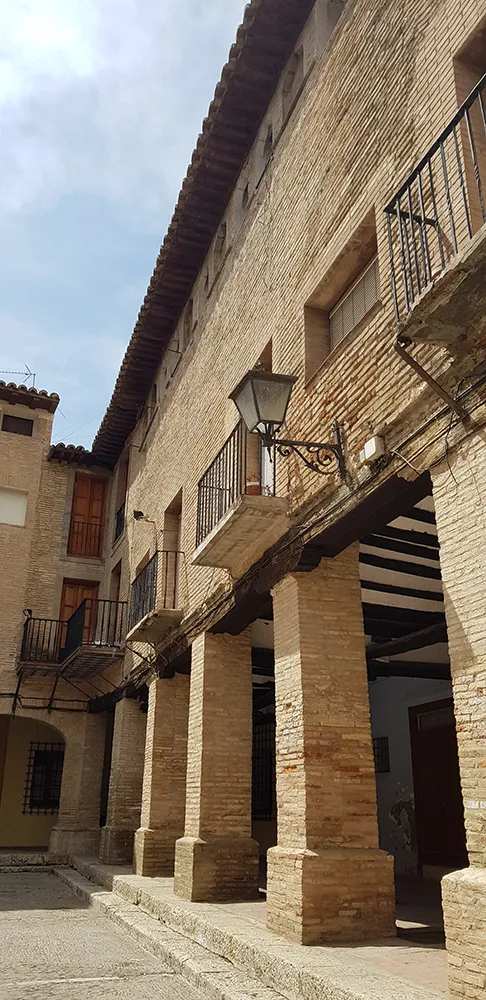
The ancient Burya and urban space
Borja stands out for the structure of its farmhouses and its numerous examples of Renaissance architecture, which include some of the most valuable examples in Aragon.
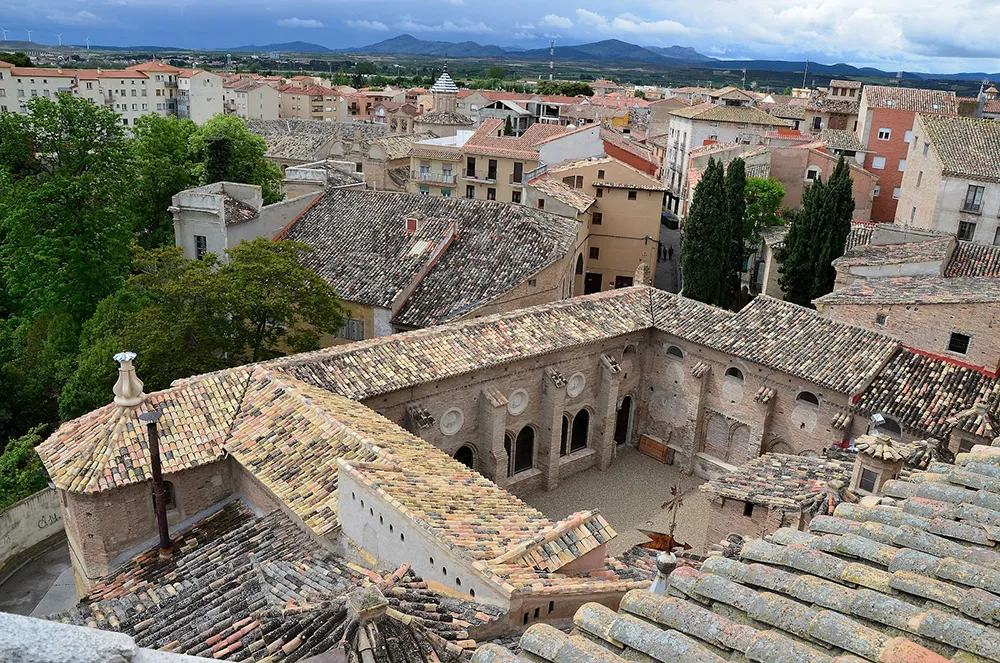
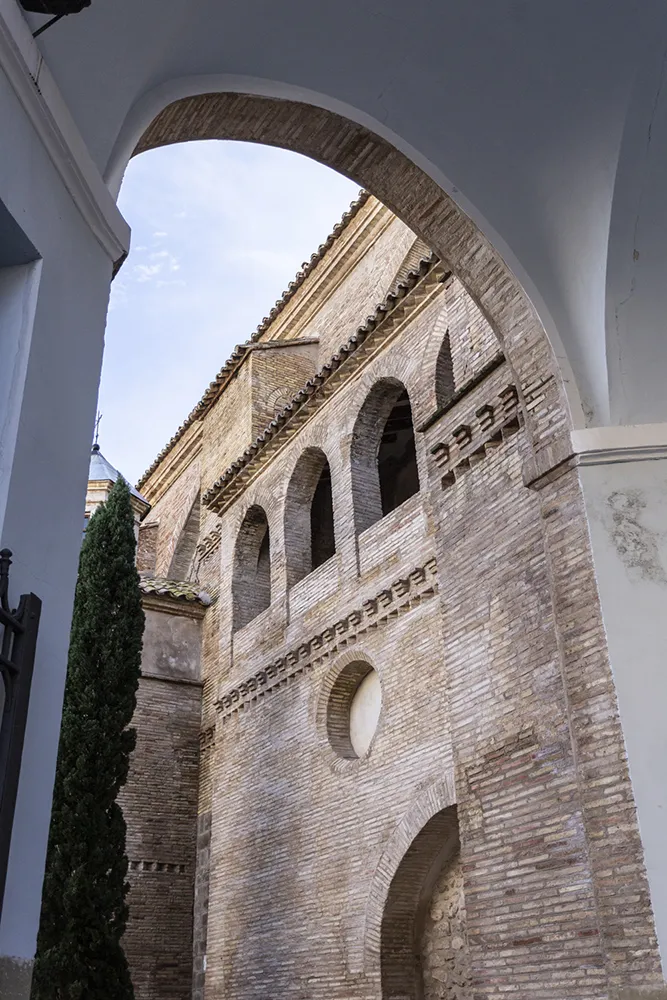
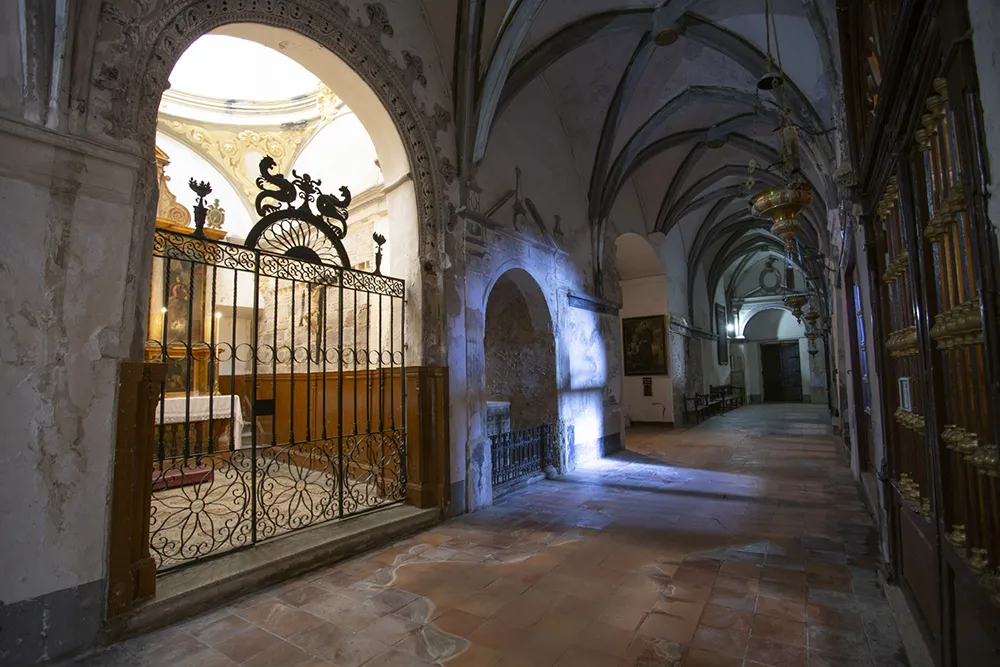
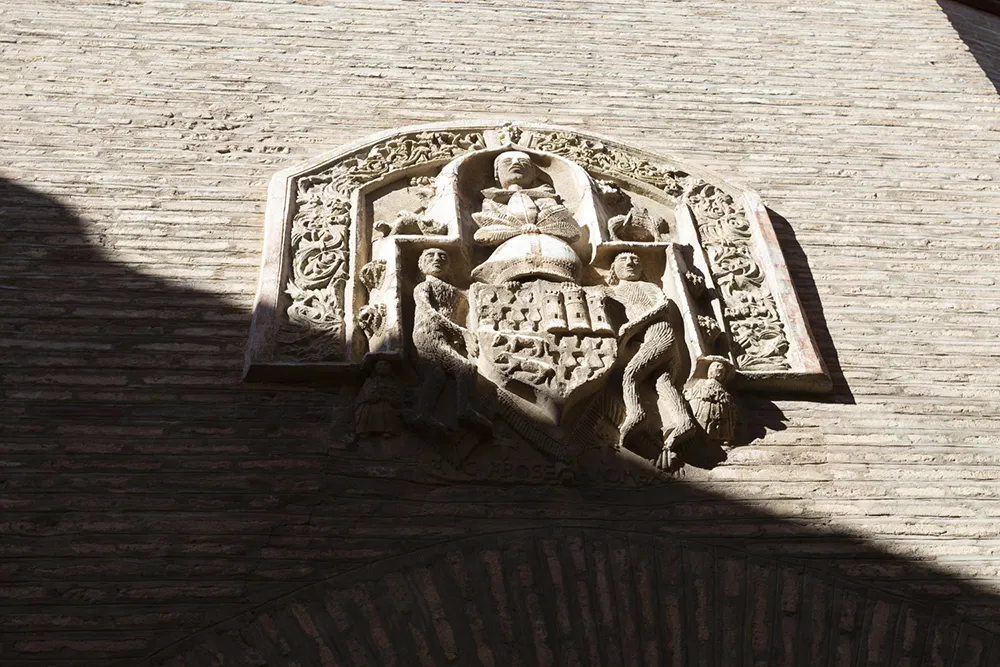
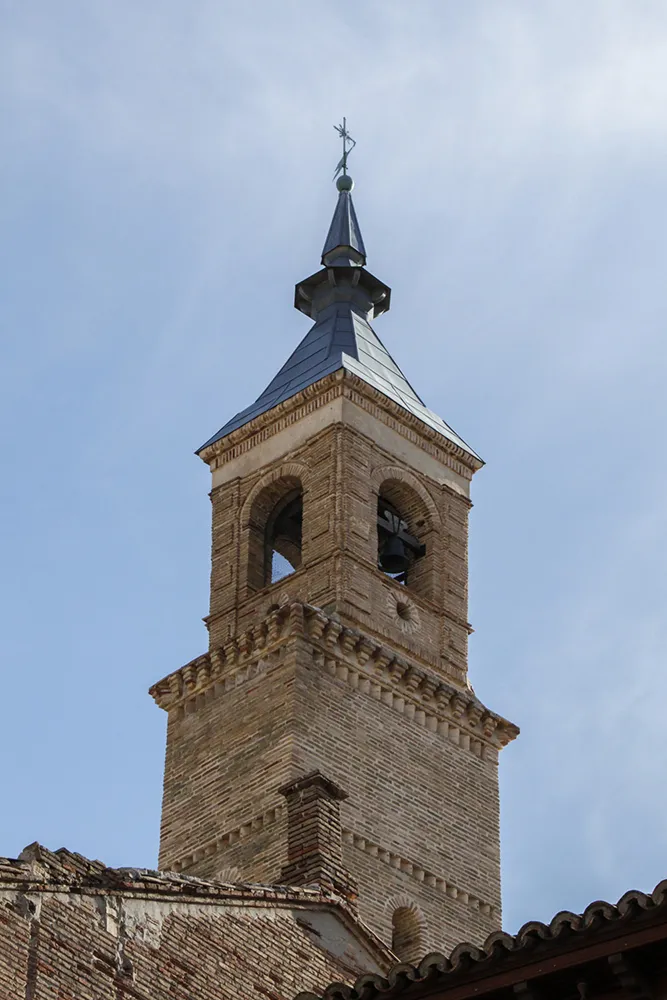
Its Mudejar legacy is very interesting, with the excolegiata de Santa María, a 14th century temple built as a church of Mudejar fortress typology with a single nave – later reformed in Baroque and neoclassical style – over an earlier Romanesque temple. The exterior has two towers: the lower part of the clock tower is Romanesque and the following parts are Mudejar.
The old Church of San Miguel, which currently houses the municipal archaeological museum, is also a Mudejar construction from the late 14th century on top of a primitive Romanesque temple. The building, with a single nave and a wooden roof, preserves interesting ornamental elements in carved plaster.
The Baltasar González House Museum was built at the beginning of the 15th century and has a tapial façade rendered with plaster and pointed arches on the main windows.
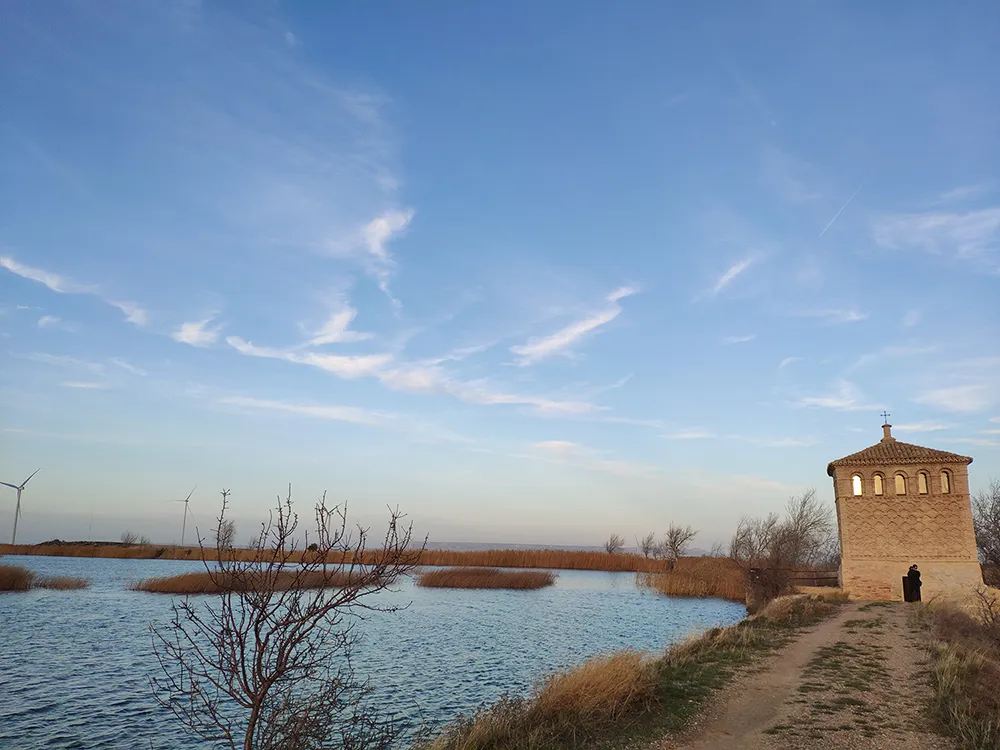
The Casa de la Estanca -about 8 km from Borja- is one of the few remaining examples of 16th century Mudejar civil architecture in Aragon. The building, which served as the dwelling of the person in charge of water control and as a watchtower, is striking for its excellent state of preservation and its integration into the landscape, which makes it a unique place.
It currently houses a magnificent set of interpretative elements about the birds that inhabit the pond.
The Mudejar legacy can also be seen in the remains of the Castillo de la Zuda – a fortress of Muslim origin – and in the Casa de las Conchas (House of Shells) – with plaster decoration with interlacing in the Mudejar tradition.
Borja stands out for the structure of its farmhouses and its numerous examples of Renaissance architecture, which include some of the most valuable examples in Aragon.
Its Mudejar legacy is very interesting, with the excolegiata de Santa María, a 14th century temple built as a church of Mudejar fortress typology with a single nave – later reformed in Baroque and neoclassical style – over an earlier Romanesque temple. The exterior has two towers: the lower part of the clock tower is Romanesque and the following parts are Mudejar.
The old Church of San Miguel, which currently houses the municipal archaeological museum, is also a Mudejar construction from the late 14th century on top of a primitive Romanesque temple. The building, with a single nave and a wooden roof, preserves interesting ornamental elements in carved plaster.
The Baltasar González House Museum was built at the beginning of the 15th century and has a tapial façade rendered with plaster and pointed arches on the main windows.
The Casa de la Estanca -about 8 km from Borja- is one of the few remaining examples of 16th century Mudejar civil architecture in Aragon. The building, which served as the dwelling of the person in charge of water control and as a watchtower, is striking for its excellent state of preservation and its integration into the landscape, which makes it a unique place.
It currently houses a magnificent set of interpretative elements about the birds that inhabit the pond.
The Mudejar legacy can also be seen in the remains of the Castillo de la Zuda – a fortress of Muslim origin – and in the Casa de las Conchas (House of Shells) – with plaster decoration with interlacing in the Mudejar tradition.