
Ricla
Village Territorio Mudéjar
The Jalón River plains
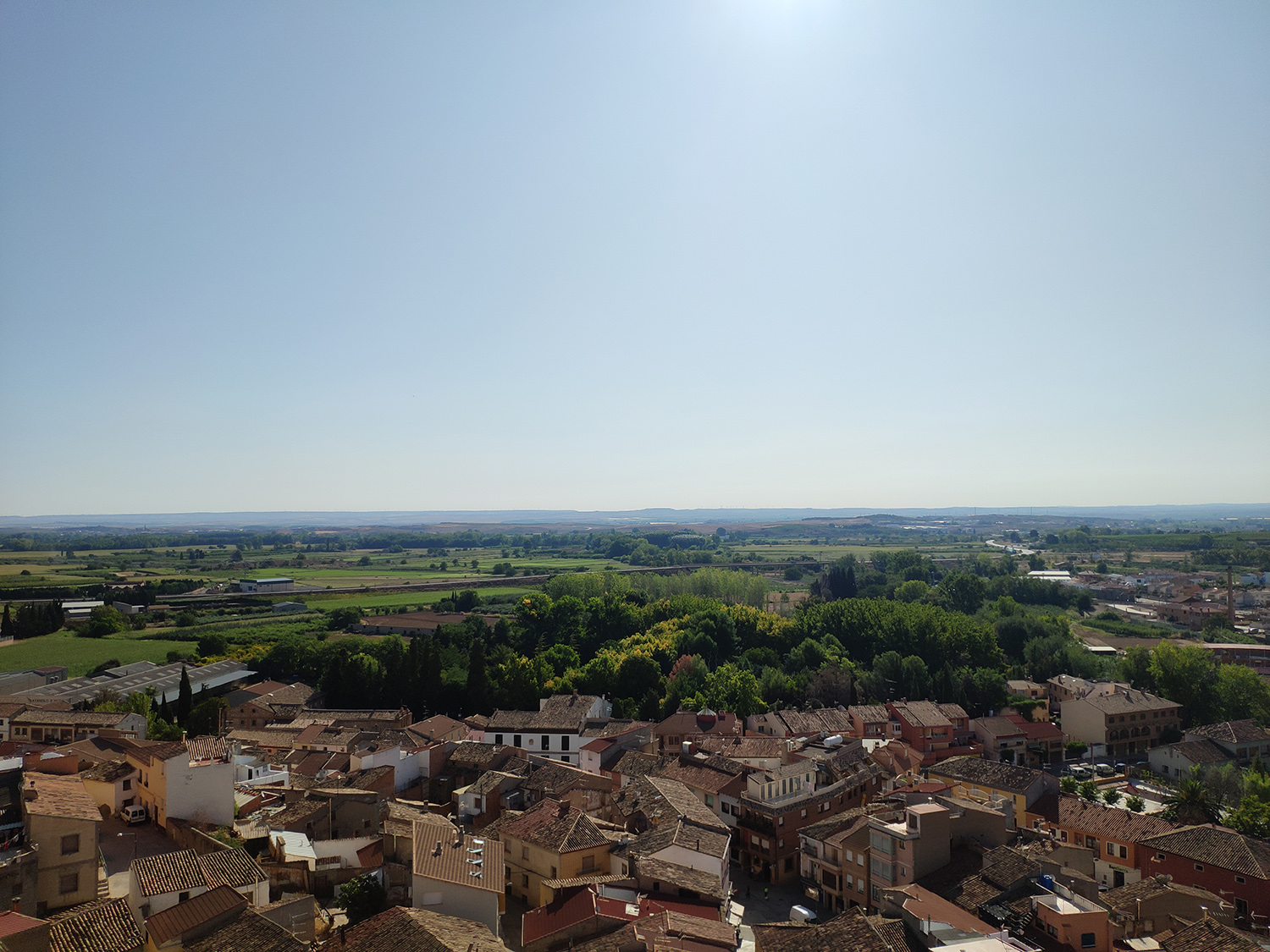
Ricla has a strategic position in the Jalón Valley that has made it a village of Celtiberians – the city of Nertóbriga was located there -, Romans, Muslims, Jews and Christians. A melting pot of cultures that gave this territory its personality.
Of all of them, Ricla stands out for its Islamic past, which is still very present in the morphology of its streets – full of bends, alleyways and lanes -, in architectural elements and in irrigation systems, such as the irrigation ditches. The town still preserves the castle of Muslim origin, although it has been very much renovated and looks like a manor house, which was of great importance as a defensive position.
Ricla has a strategic position in the Jalón Valley that has made it a village of Celtiberians – the city of Nertóbriga was located there -, Romans, Muslims, Jews and Christians. A melting pot of cultures that gave this territory its personality.
Of all of them, Ricla stands out for its Islamic past, which is still very present in the morphology of its streets – full of bends, alleyways and lanes -, in architectural elements and in irrigation systems, such as the irrigation ditches. The town still preserves the castle of Muslim origin, although it has been very much renovated and looks like a manor house, which was of great importance as a defensive position.
Projects Territorio Mudéjar in Ricla
Monuments | View the project
Education | View the project
Project Mudetrad | View the project
Plasterwork Mudejar | View the project
Mudejar stage design | View the project
Mudéjar educational, the guide | View the project
“Circular” Walks for the family | View the project
Projects Territorio Mudéjar en Tobed
Recognition and promotion of traditional architecture through a a series of itineraries.
More information
Town Hall: 976 600 106
www.ricla.es
Association for the Integral Development of Valdejalón and Campo de Cariñena fedivalca.org
VISIT RICLA
976 633 296
WOULD YOU LIKE TO FIND OUT MORE?
Tourism in Aragón
turismodearagon.com
Region of Valdejalón
www.valdejalon.es
Territorio Mudéjar Network
The town council has been a founding member of Territorio Mudéjar since 13 September September of 2018.



A witness to the region's history
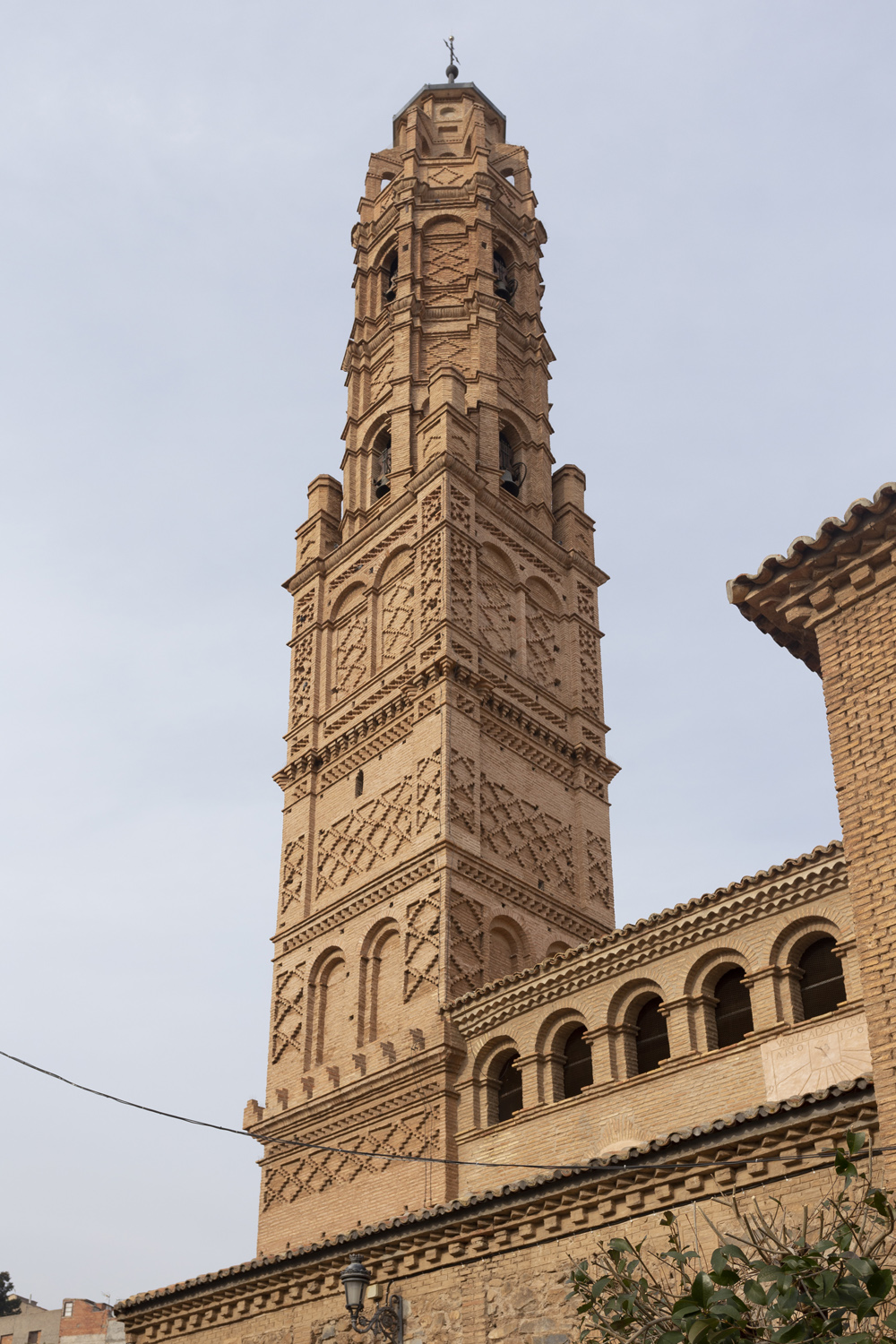
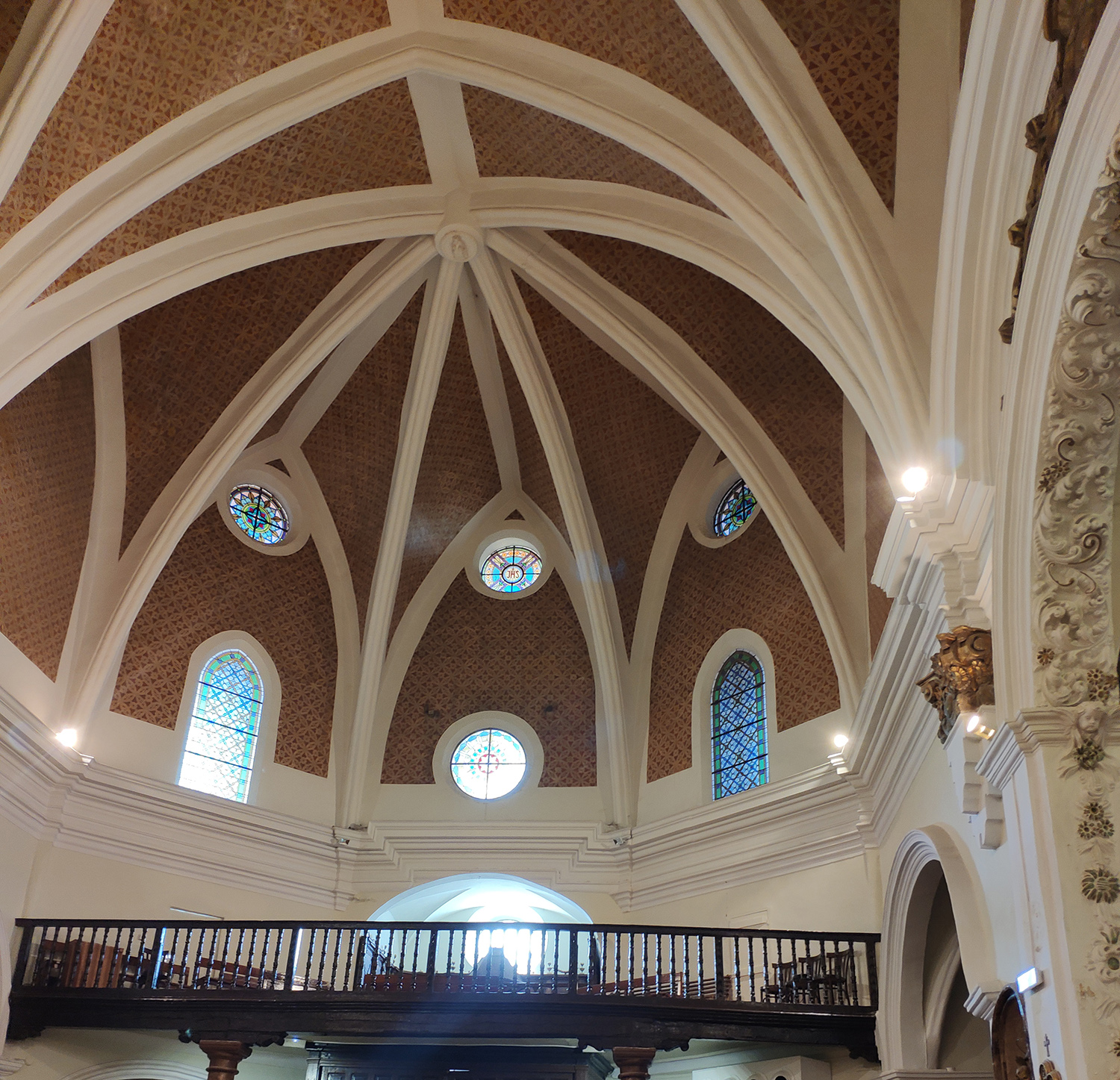
But the most outstanding Mudejar monument is the church of La Asunción with its slender tower. The construction of this Mudejar temple was carried out in three stages: at the beginning of the 15th century, the apse and the first section of the nave were built; well into the 16th century, it was extended with a second section of large proportions and two chapels, and the Mudejar tower was built; and in the 18th century, it was extended with a new chapel and the interior was decorated. It is currently a brick church, with a single nave with two bays and a polygonal apse covered with a ribbed vault decorated with geometrical agrammels in the Mudejar tradition.
The tower stands at the foot of the church with two bodies: the lower one is square and ornamented with brickwork and highlighted brickwork. The upper or bell tower is octagonal, reinforced with buttresses at the corners and decorated with bands of angled bricks, diamond-shaped brick panels and semicircular arches. The tower is topped by a spire that supports a cross.
On the other hand, a stroll along Santa Cruz street allows you to discover the best examples of the town’s civil architecture and you can follow an itinerary on foot or by bicycle around Ricla to discover the area’s hydraulic heritage and its horticultural wealth.
But the most outstanding Mudejar monument is the church of La Asunción with its slender tower. The construction of this Mudejar temple was carried out in three stages: at the beginning of the 15th century, the apse and the first section of the nave were built; well into the 16th century, it was extended with a second section of large proportions and two chapels, and the Mudejar tower was built; and in the 18th century, it was extended with a new chapel and the interior was decorated. It is currently a brick church, with a single nave with two bays and a polygonal apse covered with a ribbed vault decorated with geometrical agrammels in the Mudejar tradition.
The tower stands at the foot of the church with two bodies: the lower one is square and ornamented with brickwork and highlighted brickwork. The upper or bell tower is octagonal, reinforced with buttresses at the corners and decorated with bands of angled bricks, diamond-shaped brick panels and semicircular arches. The tower is topped by a spire that supports a cross.
On the other hand, a stroll along Santa Cruz street allows you to discover the best examples of the town’s civil architecture and you can follow an itinerary on foot or by bicycle around Ricla to discover the area’s hydraulic heritage and its horticultural wealth.