
Daroca
Village Territorio Mudéjar
Daruqa
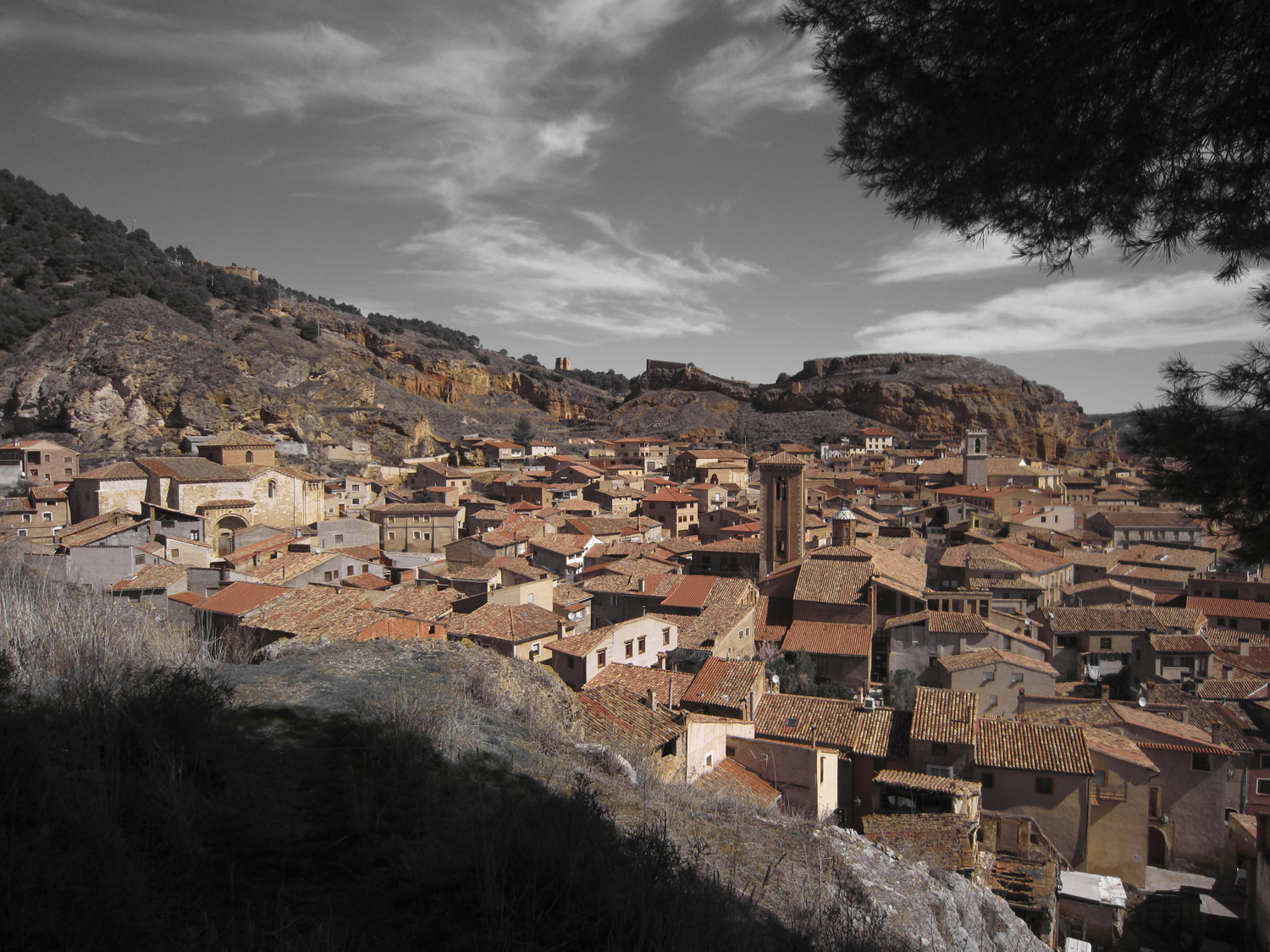
Hay que situar la ciudad de Daroca entre las más interesantes ciudades mudéjares de Aragón. The town has been declared a historic-artistic site and to walk through its streets is to walk through a living museum of the Middle Ages, the period in which it experienced its greatest splendour.
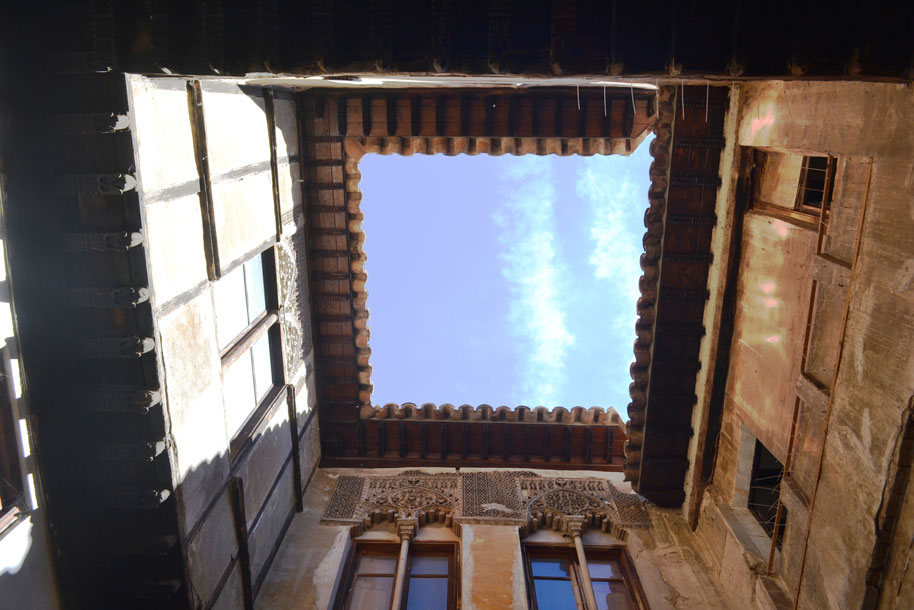
Watched over by the remains of its ancient castle, the town is very much in keeping with its Mudejar heritage. It is enough to stroll through its narrow, stepped streets on the slope of a hillside or marvel at its towers such as that of the church of Santo Domingo de Silos, built in stone and brick, which is one of the best examples of transition between styles; its churches such as San Juan de la Cuesta – where its apse shows the transition from Romanesque to Mudejar – or discover treasures of its civil architecture such as the unknown Palacio de los Luna, without doubt the most important Aragonese Mudejar monument of its kind.
The city of Daroca is one of the most interesting Mudejar cities in Aragon. The town has been declared a historic-artistic site and to walk through its streets is to walk through a living museum of the Middle Ages, the period in which it experienced its greatest splendour.
Watched over by the remains of its ancient castle, the town is very much in keeping with its Mudejar heritage. It is enough to stroll through its narrow, stepped streets on the slope of a hillside or marvel at its towers such as that of the church of Santo Domingo de Silos, built in stone and brick, which is one of the best examples of transition between styles; its churches such as San Juan de la Cuesta – where its apse shows the transition from Romanesque to Mudejar – or discover treasures of its civil architecture such as the unknown Palacio de los Luna, without doubt the most important Aragonese Mudejar monument of its kind.

Projects Territorio Mudéjar in Daroca
Monuments | View the project
Education | View the project
Project Mudetrad | View the project
Mudéjar educational, the guide | View the project
Urban planning preventive | View the project
“Circular” Walks with the family | View the project
More information
Town Hall: 976 800 312
www.daroca.es
Association for the Integral Rural Development of the lands of Jiloca and Gallocanta adri.es
VISIT DAROCA
976 633 296
DO YOU WANT TO FIND OUT MORE?
Aragon Tourism
turismodearagon.com
Tourism of the Daroca Comarca
turismo.comarcadedaroca.com
Centre of Darocense Studies
ifc.dpz.es
Centro de Estudios del Jiloca
www.xiloca.org
Camino del Cid
www.caminodelcid.org
Territorio Mudéjar Network
The town council has been a founding member of Territorio Mudéjar since 13 September September of 2018.




Stronghold of the Upper March
The condition of frontier land has marked the history of Daroca, which took its present name with the arrival of the Arabs, from the second half of the 8th century onwards.
Then the so-called Daruqa under the protection of the castle on San Cristobal hill. In 1120, Alfonso I the Battler, after the battle of Cutanda, conquered the town, which became an important border town. This led to the growth of its walled enclosure, which at more than four kilometres in length was once the largest in Aragon, with more than a hundred towers that mark out this complex with monumental gates leading to the city.
One of the charms of the city is to walk along its walls, with its imposing towers until you reach the castle, from where you can enjoy a beautiful panoramic view.
Daroca cannot be understood without its imposing collegiate church of Santa María or Nuestra Señora de los Corporales, where architecture, ornamentation and the magnificent collection of movable goods are combined.
The building is also of interest because it is the guardian of the relic of the Sacred Bodies, the protagonists of a miracle that for centuries made Daroca a place of pilgrimage for Christians and whose tradition is still preserved today.
The condition of frontier land has marked the history of Daroca, which took its present name with the arrival of the Arabs, from the second half of the 8th century onwards.
Then the so-called Daruqa under the protection of the castle on San Cristobal hill. In 1120, Alfonso I the Battler, after the battle of Cutanda, conquered the town, which became an important border town. This led to the growth of its walled enclosure, which at more than four kilometres in length was once the largest in Aragon, with more than a hundred towers that mark out this complex with monumental gates leading to the city.
One of the charms of the city is to walk along its walls, with its imposing towers until you reach the castle, from where you can enjoy a beautiful panoramic view.
Daroca cannot be understood without its imposing collegiate church of Santa María or Nuestra Señora de los Corporales, where architecture, ornamentation and the magnificent collection of movable goods are combined.
The building is also of interest because it is the guardian of the relic of the Sacred Bodies, the protagonists of a miracle that for centuries made Daroca a place of pilgrimage for Christians and whose tradition is still preserved today.