
Prevention and conservation from urban planning. Development of a tool for the protection of traditional architecture: the case of Alpartir.
This research stay brings together the results of a project developed in the previous call, which analysed the protection framework that the urban planning of several towns in the Mudejar Territory entailed for the conservation of their traditional architecture, and specifies its practical application through the piloting of a reference document centred on the town of Alpartir.
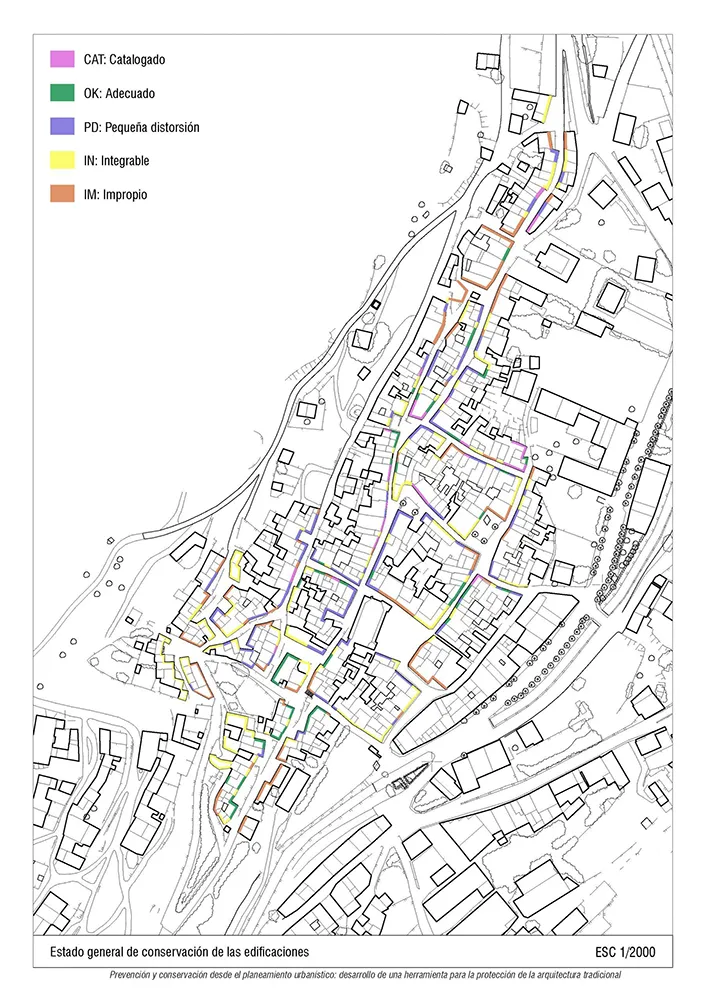
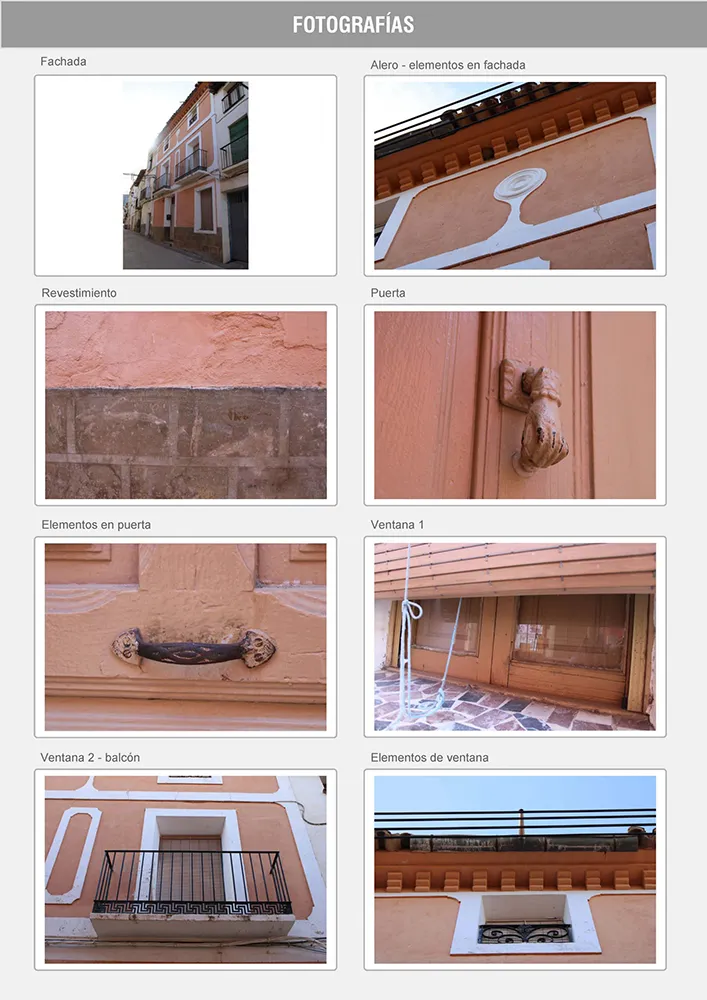
For this study, we have analysed in detail the existing traditional architecture in the locality, defining its state of transformation and identifying all those vernacular constructions that are worthy of protection by local planning, and we have reviewed this planning in depth, evaluating the influence of each of its provisions on them.
Based on this analysis, a model tool has been generated, in the form of a white paper, which lists the areas of the municipal regulations that can be revised to improve their influence on the vernacular heritage, enhancing its conservation, compares them with the equivalent headings of other general plans in the area and proposes a complementary and alternative wording. Similarly, it proposes an extension of the catalogue of protections to include the best examples of local traditional architecture, with an exhaustive cataloguing form specifically oriented towards the protection of the constructive characteristics that make it valuable.
In total, the reference document developed proposes the revision or addition of 28 articles in the Urban Development Regulations of the General Plan and proposes the incorporation of 25 elements and ensembles to the Catalogue of Protections, establishing a protection regime for each of them.
Based on these observations, the main aim of the proposed project is to generate, through a pilot study centred on the town of Alpartir, a model tool that will enable the implementation of criteria and strategies for the protection of traditional architecture in urban planning.
In doing so, it aims to meet the following general objectives:
- To promote the appreciation of traditional architecture in the sphere of influence of Aragonese Mudejar art, encouraging the perception of traditional construction techniques and elements as a valuable cultural heritage that must be preserved and protected.
- To promote the conservation, restoration and compatible rehabilitation of traditional architecture, offering tools adapted to the specific casuistry of the area of influence of Aragonese Mudejar architecture.
- Promote coordination between municipal administrations and private sector initiatives to develop flexible and conservative interventions.
- Promote the regeneration of the rural territory through its heritage, proposing alternative uses beyond the tourist sector and offering tools that allow the development of interventions that are compatible with and respectful of the local cultural identity.
These general objectives are developed into a series of specific objectives that this work aims to achieve:
- To study and record in detail the existing traditional architecture in Alpartir, identifying all those vernacular constructions that are worthy of protection by local planning and determining the elements and values on which this merit is based.
- To analyse in depth the current urban planning in Alpartir, evaluating the influence of the different determinations contained in it on the conservation of traditional architecture and comparing it with the plans studied previously in order to detect aspects in which its influence on this heritage can be improved.
- To generate a model tool that gathers the results of the study of the planning and traditional architecture of the locality that is the object of the pilot project and develops them to create a framework that allows the implementation of criteria for the conservation of local traditional architecture in the urban management of the locality. In the development of this objective, special attention has been paid to the reproducibility of the resource generated in other surrounding municipalities.
- Encourage the Administration’s involvement in the implementation of the guidelines, involving and involving municipal technicians in the process of analysing and developing the tool.
- Raise awareness of the value of traditional architecture and encourage acceptance of the resources to be implemented by the community, through citizen participation actions.
- Raise awareness about the value of traditional architecture through outreach activities that emphasize the irreplaceable nature of this architecture and the importance of its preservation.
LINE OF RESEARCH: Strategic management of heritage resources. Urban landscape and cultural landscape.
AUTHOR: Fº Javier Gómez Patrocinio, Laura Villacampa