
Gotor
Village Territorio Mudéjar
Between the River Aranda and the Sierra de la Virgen
Gotor lies in the Aranda River valley, at the foot of the Sierra de la Virgen, in the Aranda region of Zaragoza, some ninety kilometres from the Aragonese capital. According to Ramon Menéndez Pidal, its name is of Visigothic origin, and the archaeological remains of a Celtiberian settlement in the vicinity confirm that the site has been inhabited since much earlier times. Following the Christian conquest, in 1250, James I the Conqueror granted the title and lands of the barony of Gotor to his godson, Jaime de Gotor, thus marking the beginning of this town’s long history of lordship linked to the great Aragonese families.
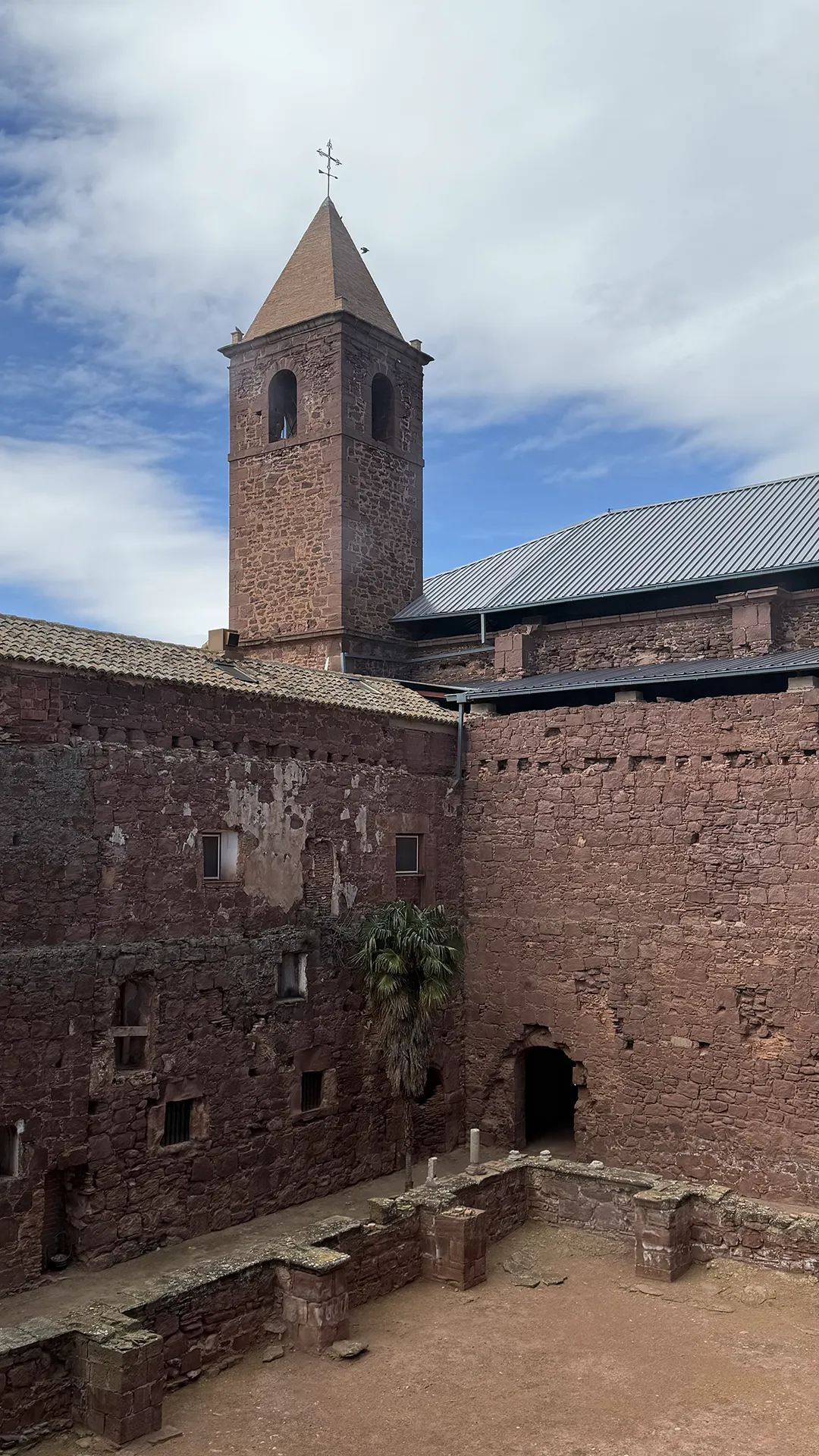
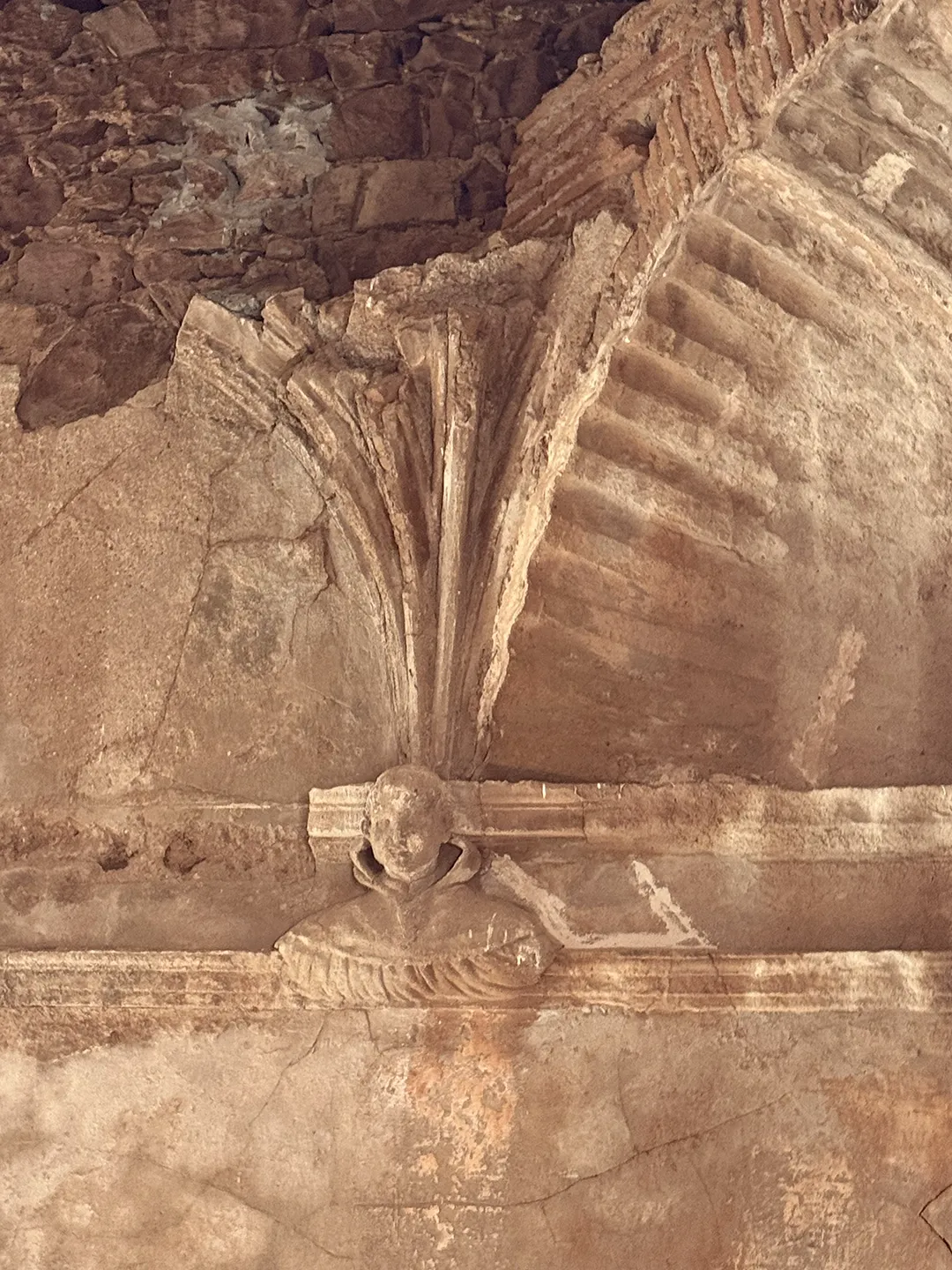
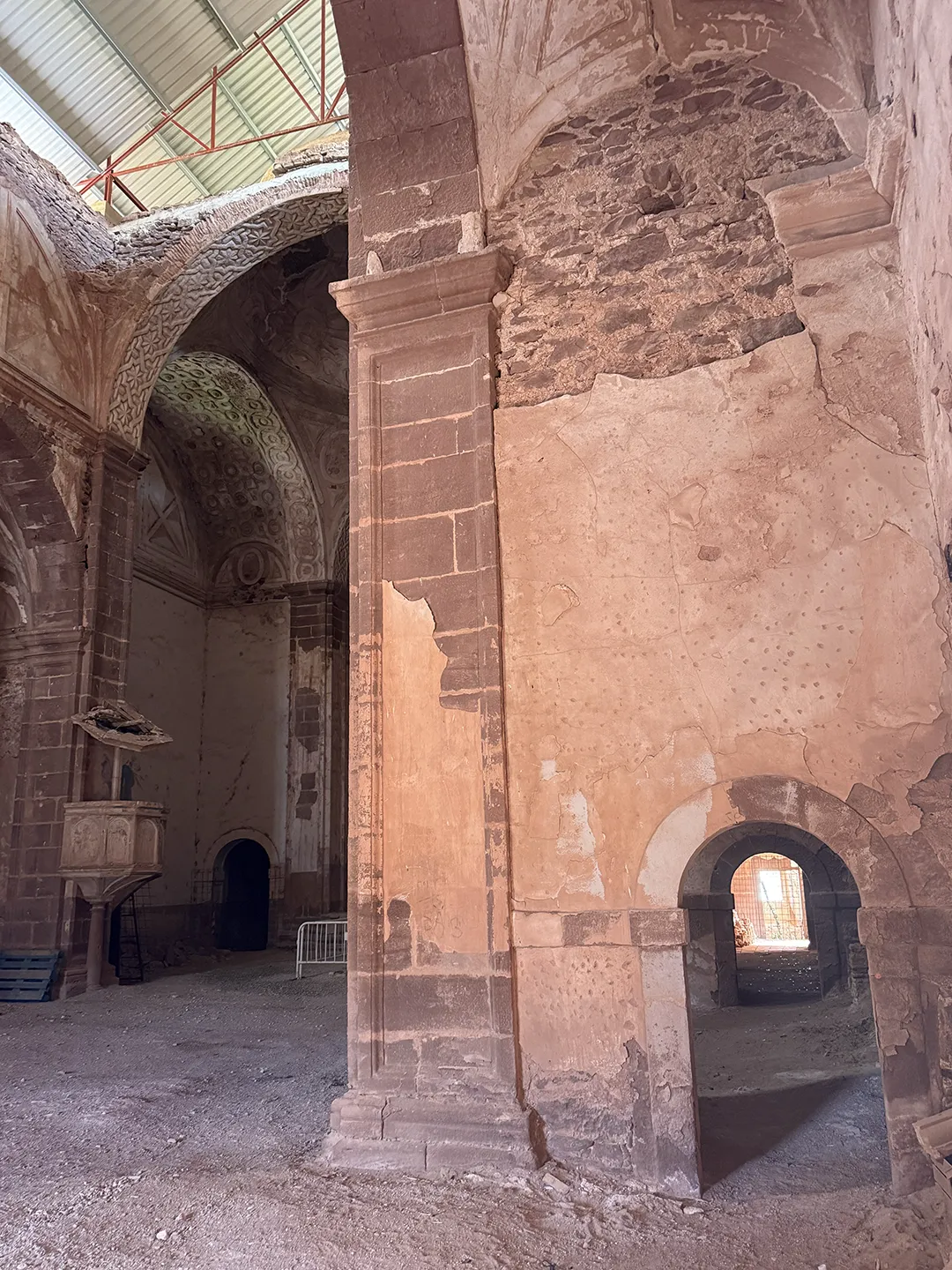
The most significant monument in Gotor is the Convent of Our Lady of Consolation, founded in 1522 by Jaime Martínez de Luna, Viceroy of Catalonia. Declared a Site of Cultural Interest in 2001, this large Renaissance complex, covering more than 2,700 square metres in floor area, was governed by the Order of Preachers, the Dominicans, until the Mendizábal Confiscation of 1835–36. At the height of its splendour, it attained the status of a university, a title granted to it by the General Chapter in Rome in 1656, along with six other convents in the Crown of Aragon.
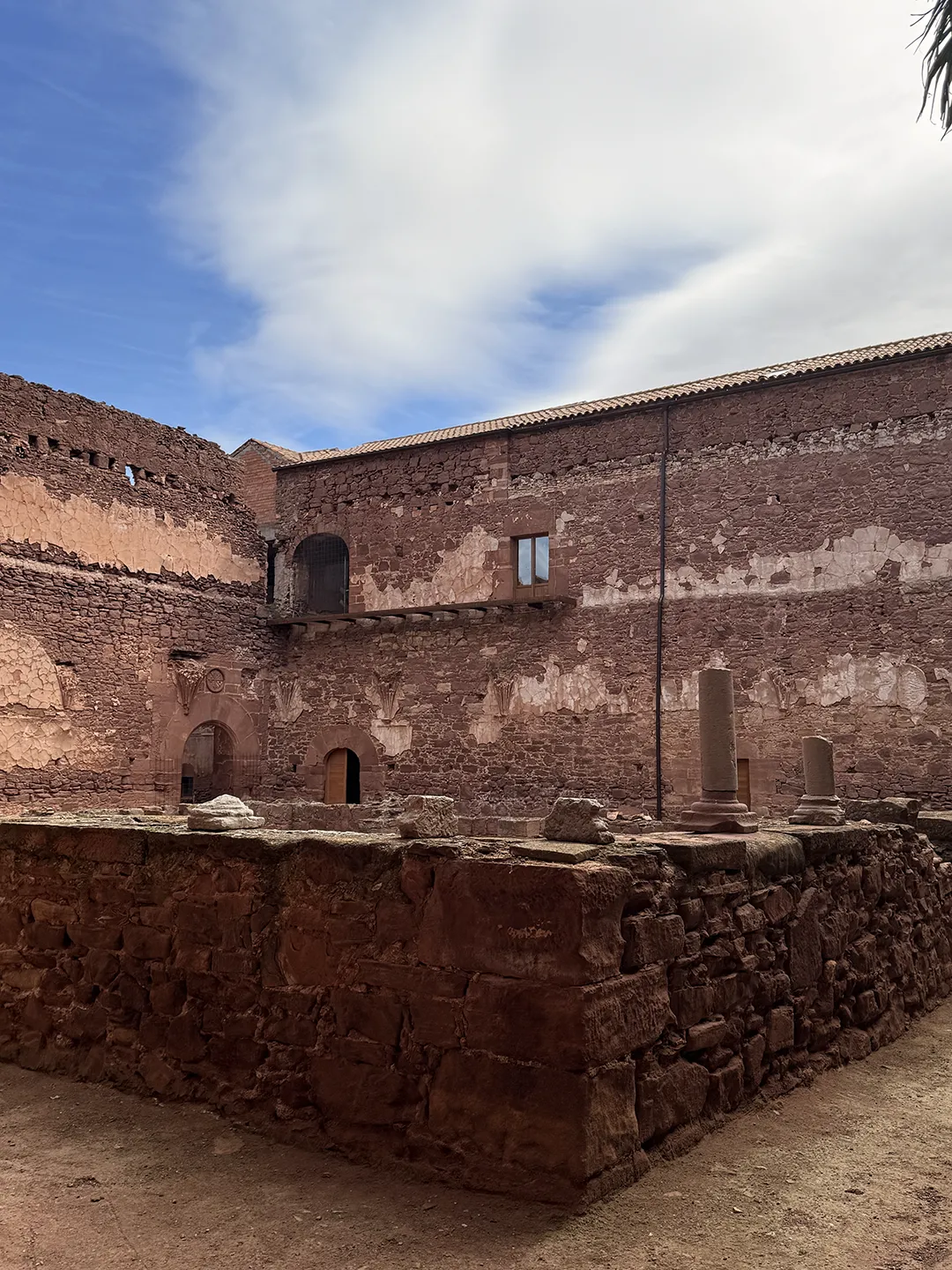
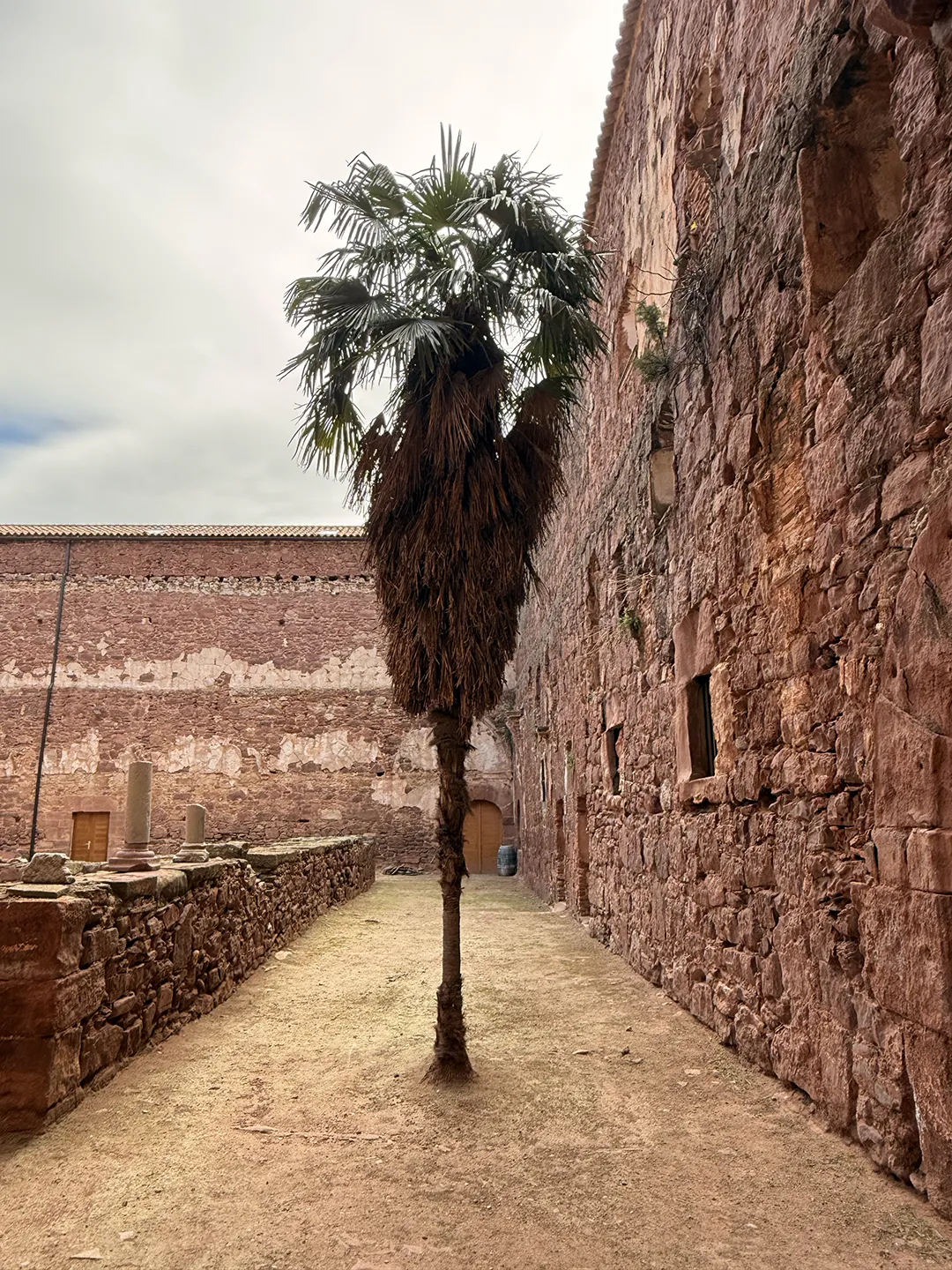
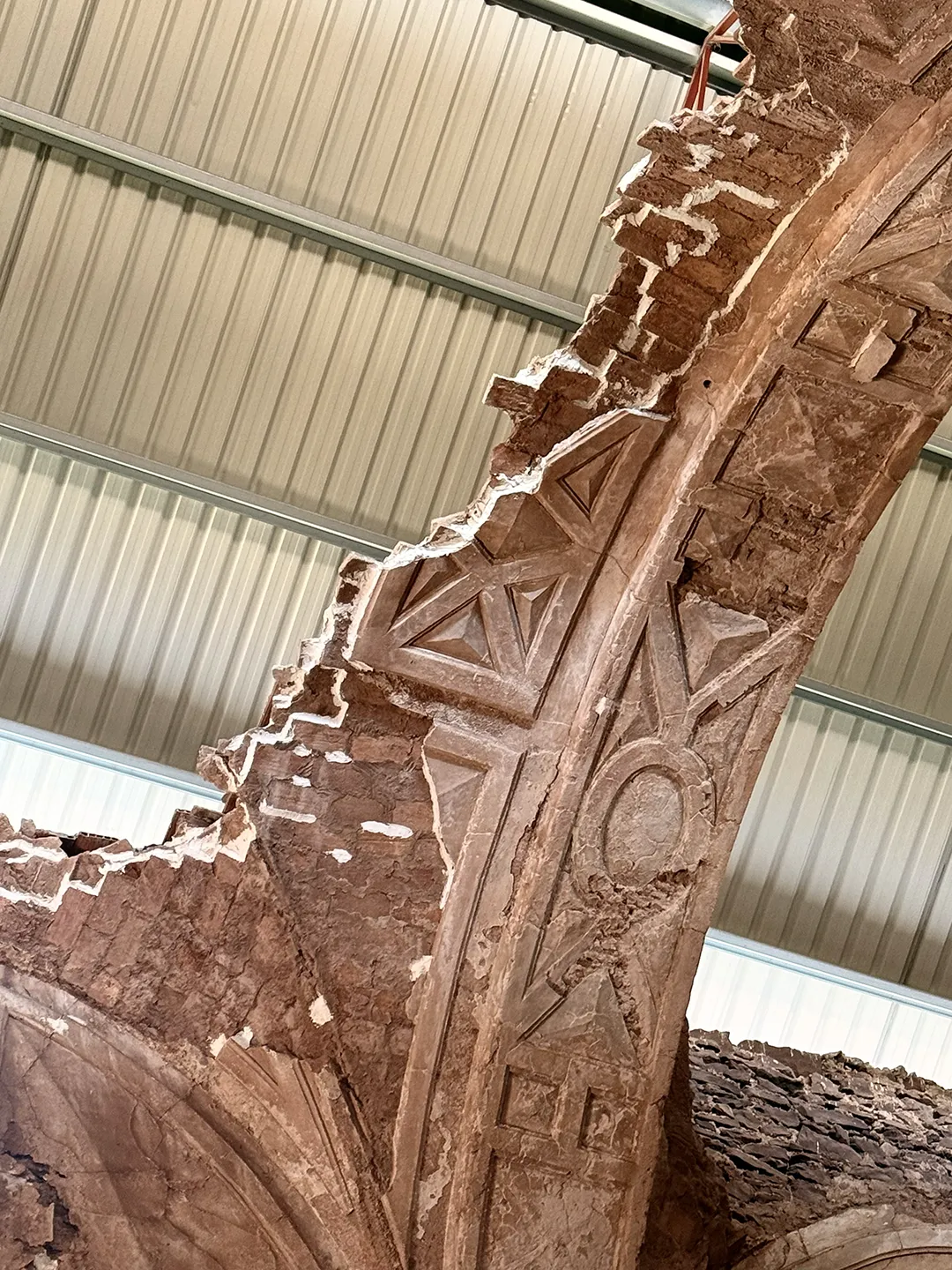
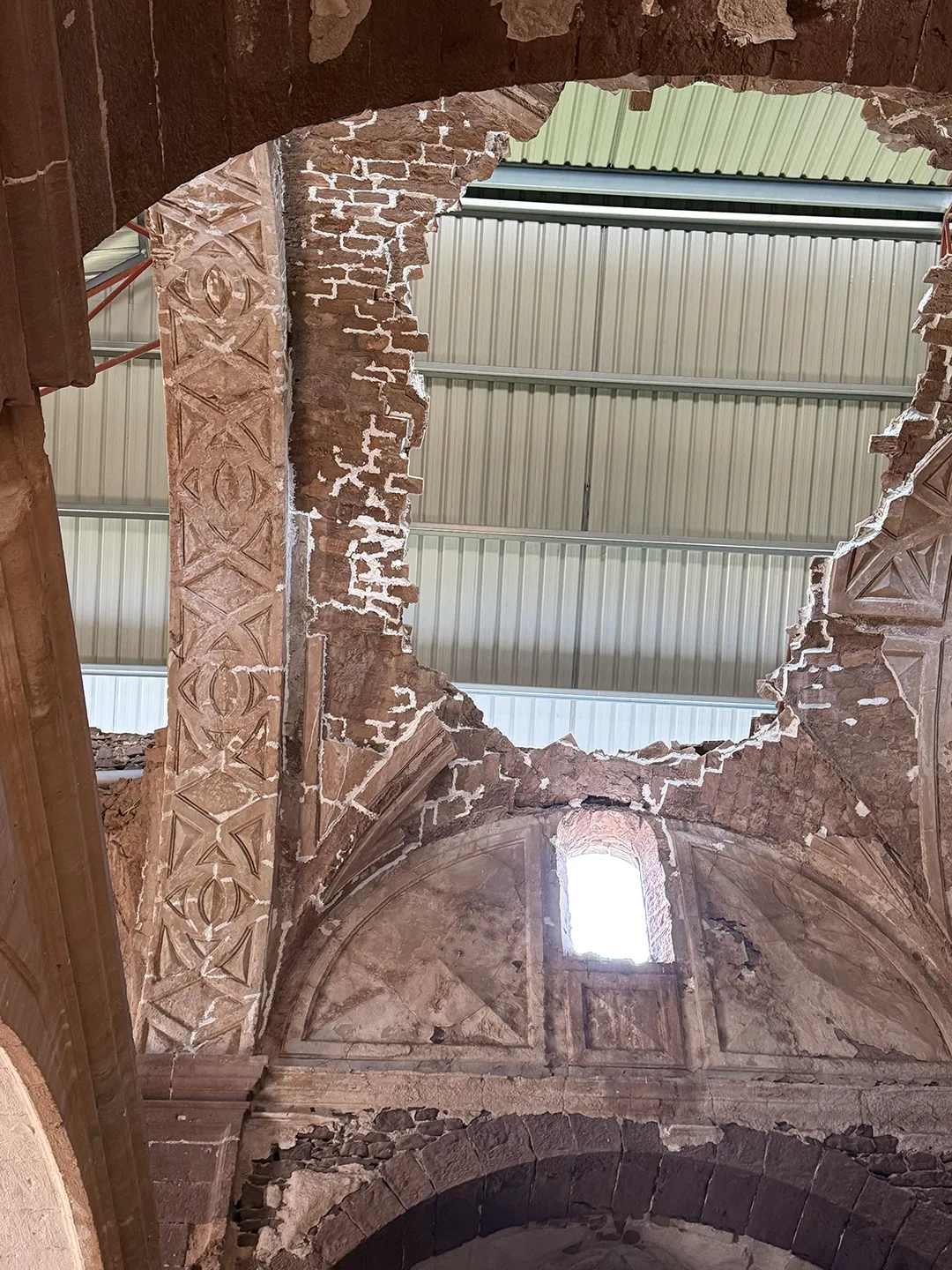
The church, comprising a single nave with a transept and a straight chancel, is covered by a barrel vault with lunettes and a hemispherical dome resting on pendentives in the transept section. Beneath it lies the crypt where priors and prominent figures of the House of Luna were buried, including Viceroy Pedro Martínez de Luna. The convent buildings are arranged around a cloister, of which mainly the perimeter walls and the bases of the ribbed vaults remain today.
Gotor lies in the Aranda River valley, at the foot of the Sierra de la Virgen, in the Aranda region of Zaragoza, some ninety kilometres from the Aragonese capital. According to Ramon Menéndez Pidal, its name is of Visigothic origin, and the archaeological remains of a Celtiberian settlement in the vicinity confirm that the site has been inhabited since much earlier times. Following the Christian conquest, in 1250, James I the Conqueror granted the title and lands of the barony of Gotor to his godson, Jaime de Gotor, thus marking the beginning of this town’s long history of lordship linked to the great Aragonese families.
The most significant monument in Gotor is the Convent of Our Lady of Consolation, founded in 1522 by Jaime Martínez de Luna, Viceroy of Catalonia. Declared a Site of Cultural Interest in 2001, this large Renaissance complex, covering more than 2,700 square metres in floor area, was governed by the Order of Preachers, the Dominicans, until the Mendizábal Confiscation of 1835–36. At the height of its splendour, it attained the status of a university, a title granted to it by the General Chapter in Rome in 1656, along with six other convents in the Crown of Aragon.
The church, comprising a single nave with a transept and a straight chancel, is covered by a barrel vault with lunettes and a hemispherical dome resting on pendentives in the transept section. Beneath it lies the crypt where priors and prominent figures of the House of Luna were buried, including Viceroy Pedro Martínez de Luna. The convent buildings are arranged around a cloister, of which mainly the perimeter walls and the bases of the ribbed vaults remain today.
Projects Region Mudéjar in Gotor
Pedagogy | View the project
Mudéjar teaching guide, the guide | View the project
Projects Territorio Mudéjar in Villanueva de Gállego
Recognition and promotion of traditional architecture through a a series of itineraries.
More information
Ayuntamiento 976 548 024
https://www.aytogotor.es/
VISITA GOTOR
976 548 024
WOULD YOU LIKE TO FIND OUT MORE?
Tourism in Aragón
turismodearagon.com
Tourism in the Aranda region
https://turismodelaranda.es/
Territorio Mudéjar Network
The council has been a founding member of Territorio Mudéjar since 2026.
An important legacy
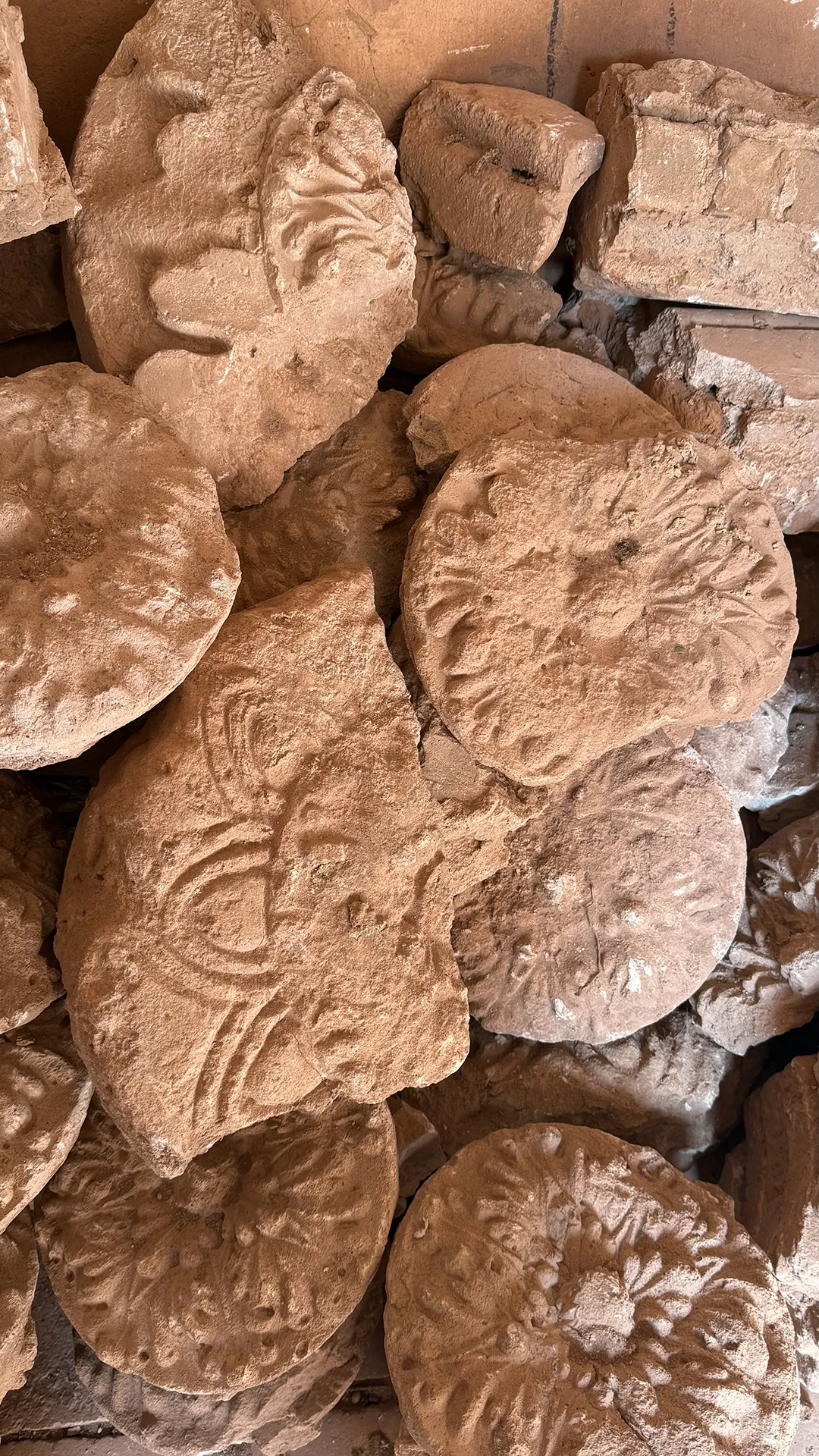
The complex was plundered by French troops during the War of Independence and subsequently abandoned following the Confiscation of Church Property. Since then, it has been
owned by Gotor Town Council. Despite its state of disrepair, the convent remains a powerful testament to Aragonese Renaissance architecture and to the historical significance of this small town.
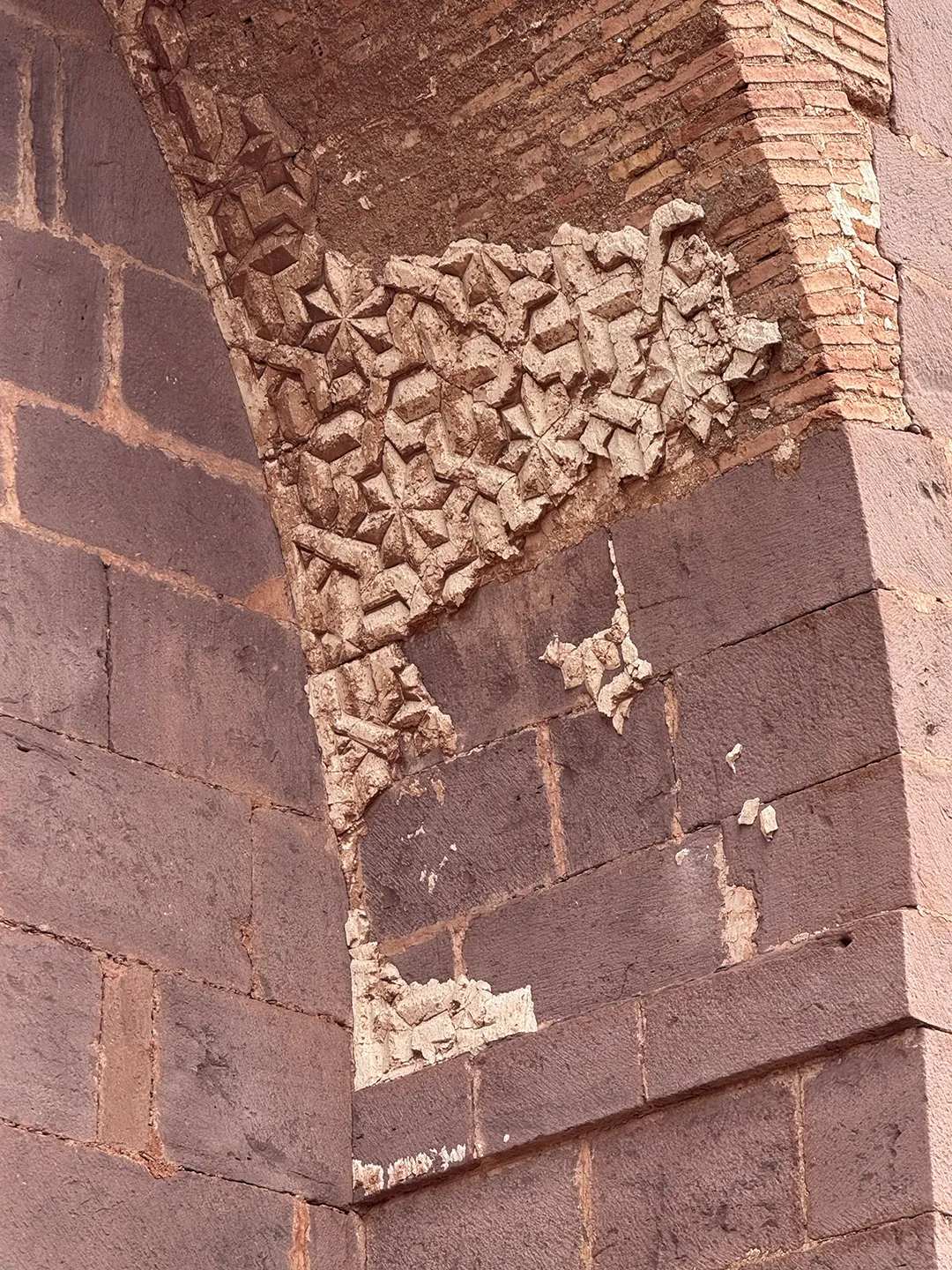
Gotor also preserves its parish church of Santa Ana, dating from the 17th century, and the chapel of Saint Barbara, whose origins date back to to the Visigothic era and which was rebuilt in the same century. The urban layout of the village, which shows clear Islamic influence, is manifested through a network of narrow streets and passages which lend to the area as a whole a unique charm.
The complex was plundered by French troops during the War of Independence and subsequently abandoned following the Confiscation of Church Property. Since then, it has been
owned by Gotor Town Council. Despite its state of disrepair, the convent remains a powerful testament to Aragonese Renaissance architecture and to the historical significance of this small town.
Gotor also preserves its parish church of Santa Ana, dating from the 17th century, and the chapel of Saint Barbara, whose origins date back to to the Visigothic era and which was rebuilt in the same century. The urban layout of the village, which shows clear Islamic influence, is manifested through a network of narrow streets and passages which lend to the area as a whole a unique charm.
The content and updates to news items are produced in collaboration with the Town Council of Tobed through the Mahoma Calahorri Museum.
*This collaboration took place within the framework of the project run by the council of Tobed, funded by the Ministry of Culture and Sport under its grants for 2020 for local organisations with World Heritage sites listed by UNESCO.*Esta colaboración se desarrolló en el marco del proyecto del ayuntamiento de Tobed, financiado por el Ministerio de Cultura y Deporte en sus ayudas 2020 para entidades locales con Patrimonio Mundial inscrito por la Unesco.