
Cetina
Village Territorio Mudéjar
Between the River Jalón and history
On the banks of the River Jalón, in the heart of the Alto Jalón region of Zaragoza, lies Cetina, a town whose history is already mentioned in the Song of El Cid: according to the song, El Cid and his troops spent the night in a spot between Ariza and Cetina on the fifteenth day of their exile. This status as a place of passage and a frontier has profoundly shaped its character, and its most iconic monument is a true reflection of this.
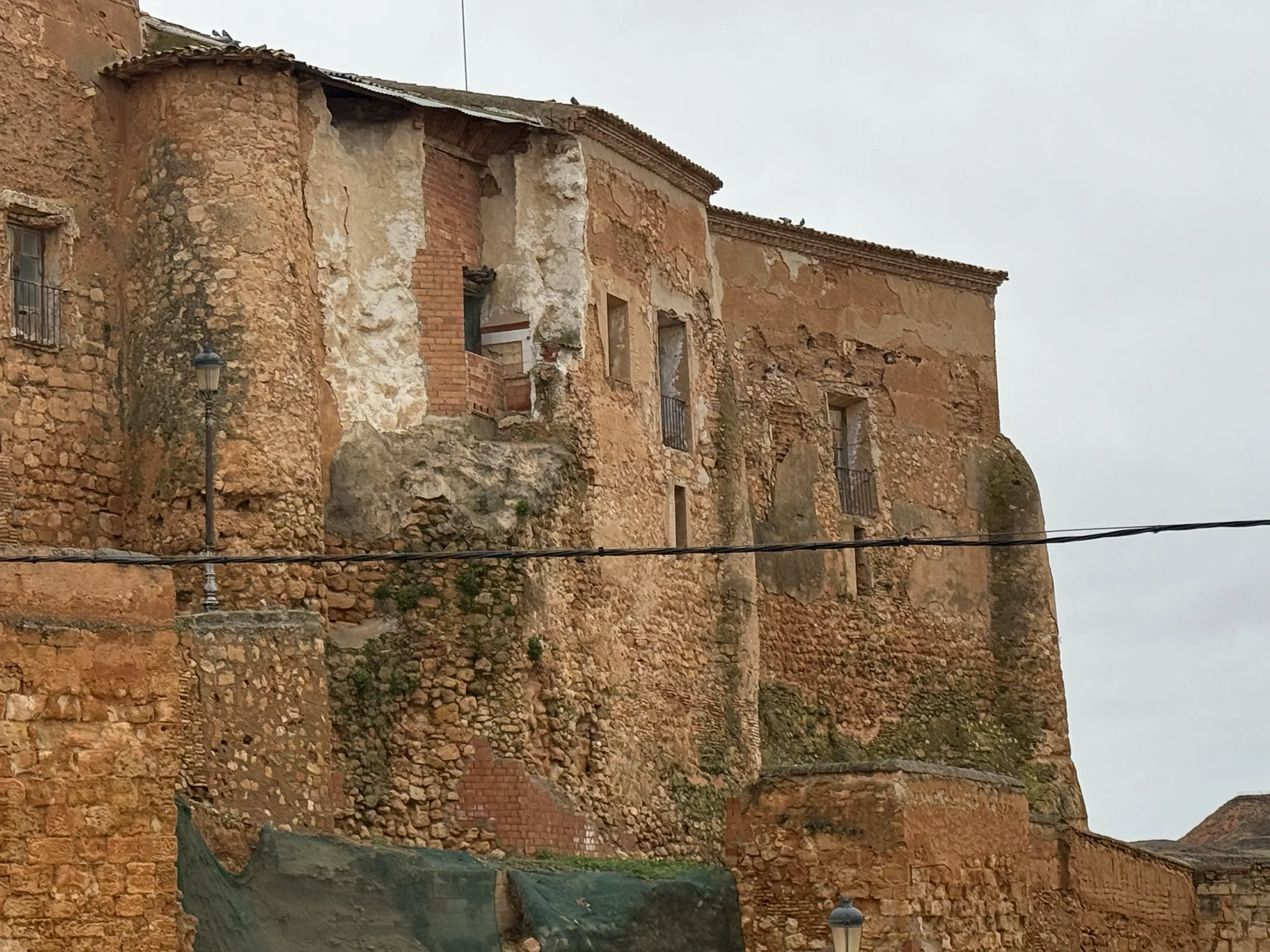
Cetina Castle-Palace, declared a National Historic Monument in 1931, is the centrepiece of the town’s architectural heritage. Built in the late 13th century by King Peter III of Aragon as a defensive structure on the border with the Kingdom of Castile, it was sold in 1410 by King Martin I to Mosén González de Liñán, lord of the town, who extended it and transformed it into a palatial residence. The complex has an elongated rectangular plan, some 60 metres in length, built of rubble stone and brick, with a tower at each end. The east tower, popularly known as the ‘Volantín’, is topped with small arches and retains a Gothic mullioned window and a pointed brick arch providing access from the parade ground.
On the banks of the River Jalón, in the heart of the Alto Jalón region of Zaragoza, lies Cetina, a town whose history is already mentioned in the Song of El Cid: according to the song, El Cid and his troops spent the night in a spot between Ariza and Cetina on the fifteenth day of their exile. This status as a place of passage and a frontier has profoundly shaped its character, and its most iconic monument is a true reflection of this.
Cetina Castle-Palace, declared a National Historic Monument in 1931, is the centrepiece of the town’s architectural heritage. Built in the late 13th century by King Peter III of Aragon as a defensive structure on the border with the Kingdom of Castile, it was sold in 1410 by King Martin I to Mosén González de Liñán, lord of the town, who extended it and transformed it into a palatial residence. The complex has an elongated rectangular plan, some 60 metres in length, built of rubble stone and brick, with a tower at each end. The east tower, popularly known as the ‘Volantín’, is topped with small arches and retains a Gothic mullioned window and a pointed brick arch providing access from the parade ground.

Projects Territorio Mudejar in Cetina
Pedagogy | View the project
Mudéjar teaching guide, the guide | View the project
Projects Territorio Mudejar in Cetina
Recognition and promotion of traditional architecture through a a series of itineraries.
More information
Town Hall 976 844 095
https://cetina.es/
VISIT CETINA
976 844 095
Do you want to find out more?
Tourism in Aragón
turismodearagon.com
Tourism Region Community of Calatayud
https://www.comunidadcalatayud.com/
Territorio Mudéjar Network
The council has been a founding member of Territorio Mudéjar since 2026.


A jewel of Mudejar architecture
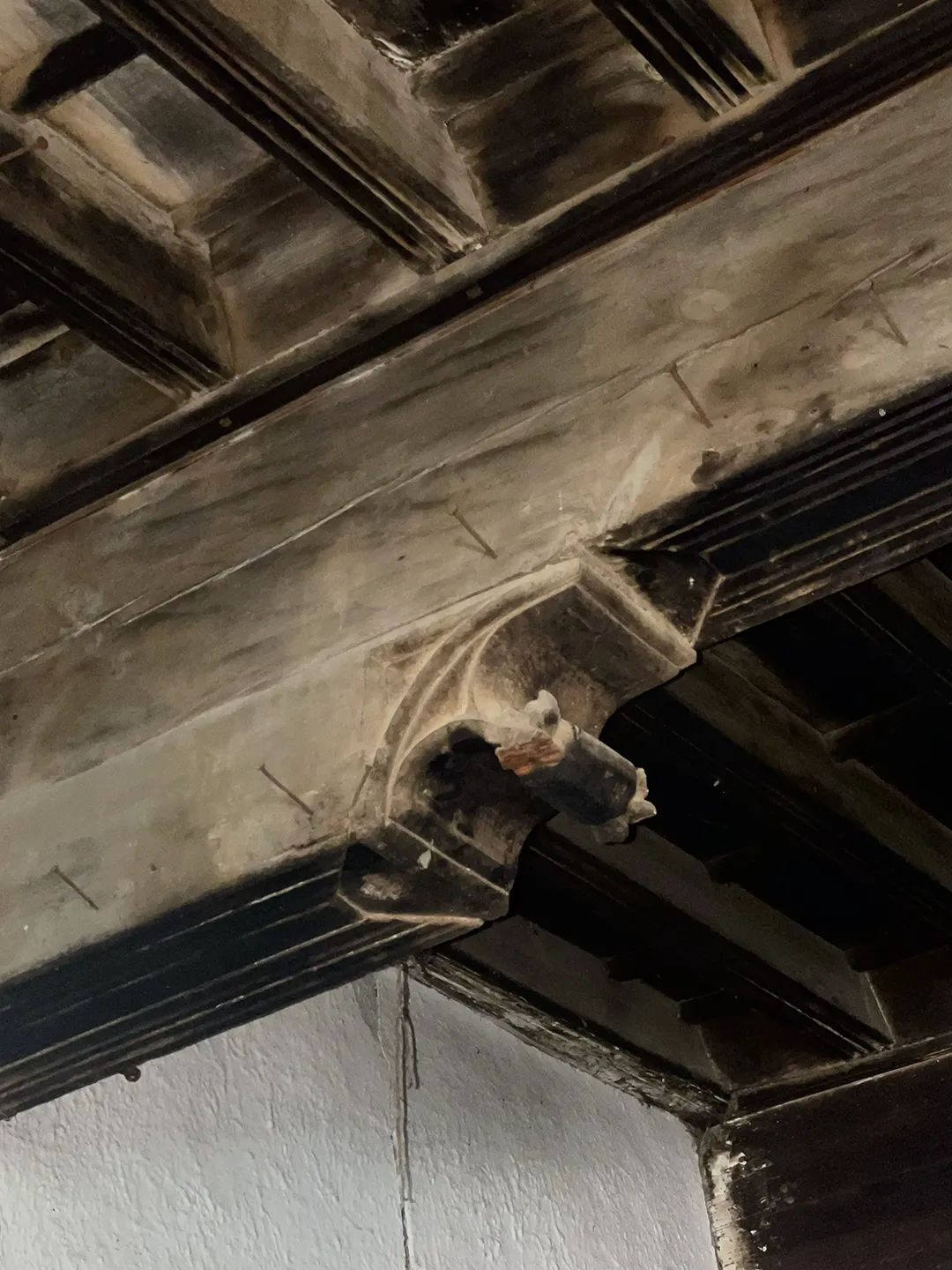
The jewel in the palace’s crown is its small chapel, with its rich Mudejar plasterwork and a 16th-century triptych attributed to Salvador Roig and Juan Ríus. This chapel was the setting for a famous literary event: on 26 February 1634, Francisco de Quevedo married Doña Esperanza de Mendoza, the widow of Cetina, there, as recorded in the parish’s sacramental registers. Inside the palace, there are also four Mudejar coffered ceilings of considerable heritage value.
Alongside its tangible heritage, Cetina is home to one of Aragón’s most unique intangible treasures: the Contradanza. Performed every year on the evening of 19 May by torchlight in honour of San Juan Lorenzo, this unique spectacle – featuring eight masked ‘contradanceros’ and a character embodying the devil – was declared an Asset of Intangible Cultural Interest in 2012. The first known written reference to the Contradanza dates back to 1751. The village also has an Interpretation Centre dedicated to this dance and to the Dance, another of its expressions of folk tradition.
The jewel in the palace’s crown is its small chapel, with its rich Mudejar plasterwork and a 16th-century triptych attributed to Salvador Roig and Juan Ríus. This chapel was the setting for a famous literary event: on 26 February 1634, Francisco de Quevedo married Doña Esperanza de Mendoza, the widow of Cetina, there, as recorded in the parish’s sacramental registers. Inside the palace, there are also four Mudejar coffered ceilings of considerable heritage value.
Alongside its tangible heritage, Cetina is home to one of Aragón’s most unique intangible treasures: the Contradanza. Performed every year on the evening of 19 May by torchlight in honour of San Juan Lorenzo, this unique spectacle – featuring eight masked ‘contradanceros’ and a character embodying the devil – was declared an Asset of Intangible Cultural Interest in 2012. The first known written reference to the Contradanza dates back to 1751. The village also has an Interpretation Centre dedicated to this dance and to the Dance, another of its expressions of folk tradition.
The content and updates to news items are produced in collaboration with the Town Council of Tobed through the Mahoma Calahorri Museum.
*This collaboration took place within the framework of the project run by the council of Tobed, funded by the Ministry of Culture and Sport under its grants for 2020 for local organisations with World Heritage sites listed by UNESCO.*Esta colaboración se desarrolló en el marco del proyecto del ayuntamiento de Tobed, financiado por el Ministerio de Cultura y Deporte en sus ayudas 2020 para entidades locales con Patrimonio Mundial inscrito por la Unesco.